
Dr. Soumyan Dey
Urologist & Uro-Oncologist

Dr.Dey

Author name: Dr. Soumyan Dey

How does Renal Cell Carcinoma Become Metastatic?

The most common type of kidney cancer, renal cell carcinoma, starts in the small tubes in your kidneys. The tumor can form in either kidney, and like other cancers, it can become metastatic, i.e., it can spread to the surrounding structures, or sometimes to other parts of the body.  Fortunately, many renal cell carcinoma cases are discovered before the cancer spreads. We’ve discussed how renal cell carcinoma becomes metastatic, when you may need a uro oncology surgery in Vashi, Navi Mumbai, and the prognosis for such cases.  Metastatic Renal Cell Carcinoma: What to Expect Your kidneys play a pivotal role in removing toxins from your body through urine. Renal cell carcinoma occurs when kidney cells start to grow aggressively and uncontrollably, forming a tumor.  In the early stage, it stays confined to the kidney, but if left undetected, the cancer cells can invade the surrounding structures and might eventually reach distant organs. When RCC metastasizes, it’s called stage IV kidney cancer.  Where Does Kidney Cancer Spread To? When the cancer cells start spreading, they invade the blood vessels and nearby structures, such as the adrenal gland, which sits on top of the kidney. The process doesn’t happen overnight, but gradually.  Renal cell carcinoma can invade the blood vessels and lymph nodes, which act like a highway through which the cells can invade distant body organs, forming secondary tumors.  Many cancerous cells entering the bloodstream die due to an immune attack. Some, however, survive by hiding from immune cells or surviving in a hostile environment with low oxygen levels and physical stress. These cells might survive long enough to reach other organs. The most common sites where the RCC metastasize or the secondary tumors form include: Diagnosis & Treatment Unfortunately, metastatic renal cell carcinoma is not curable, although with modern and advanced treatments, such as immunotherapy and targeted therapy, many patients go on to live healthy and long lives.  Metastasized RCC can be diagnosed with physical tests, imaging, such as CT scans and ultrasounds, and MRI for a detailed view of where the cancer has spread.  For cancer that hasn’t spread too far, surgical removal of the affected kidney along with the lymph nodes, fat, and adrenal gland might be recommended. If it’s spread to distant organs, surgery with immunotherapy and targeted therapy are used to kill the remaining cancer cells throughout the body. Immunotherapy enhances your own immune system to identify and kill cancer cells. Cancer cells grow blood vessels, which provide these cells with oxygen and nutrients needed to survive and spread.  Targeted therapies aim to kill cancer cells by starving them. They cut the blood supply to these cells. Renal cell carcinoma does not usually respond well to chemotherapy, which is why the main line of treatment for metastasized RCC includes a combination of targeted and immunotherapy with surgery (if needed). At this stage, the kidney cancer treatment in Vashi, Navi Mumbai, is mainly palliative, i.e., focusing on giving you a quality life during the treatment by slowing the cancer growth.

Can-Prostate-Cancer-be-Prevented

Can Prostate Cancer be Prevented?

Prostate cancer originates in the prostate gland, which plays a crucial role in semen production. Prostate cancer, like other cancers, is not completely preventable. Cancers linked to genetics can’t be prevented. That said, certain evidence-based dietary or lifestyle choices can make a difference.  Besides, getting tested regularly can help detect cancer early, improving the success rate of prostate cancer treatment in Vashi, Navi Mumbai. Let’s take a look at some healthy tips for reducing your risk of getting prostate cancer. Healthy Lifestyle Choices Your dietary choices can contribute to your risk of developing cancer. Foods rich in saturated fat, for example, have been linked to a heightened risk. That doesn’t mean you have to eliminate fat-rich food from your diet. Focus on limiting the consumption or switching to healthier alternatives. Try to eat a balanced plate containing lean proteins and plant-based foods. Eat More Fruits and Veggies If you want to balance taste with nutrition, your best bet is a plate filled with fruits and veggies. A colorful plate with leafy green vegetables and colorful fruits provides essential vitamins, minerals, and antioxidants. This includes the cells in your prostate. You can eat fruits raw, make fruit or vegetable salads, add them to your favorite dessert, or cook them lightly. Everything counts. Stay at a Healthy Weight Obesity can heighten your risk of prostate cancer. If your BMI is higher than normal, consider shedding those extra pounds. Do not start crash diets. Focus on gradual weight-loss plans that combine healthy eating with exercise. Cut back on your calorie, sugar, and processed food intake.  Exercise Regularly Exercise is a big step in reducing your risk of prostate cancer. It helps cut down excess fat, improve hormonal balance, and boost your immunity, all of which can help with prostate cancer prevention. Choose simple exercises and practice them more often. For example, start your day with a walk, try swimming and cycling, and practice yoga. Avoid Smoking & Limit Alcohol Although not every study links smoking and alcohol with an increased prostate cancer risk, some studies suggest that men who smoke might be at a higher risk of recurring prostate cancer and the cancer spreading beyond the prostate gland. Smoking is dangerous, not just for the prostate, but for nearly every organ in your body. Likewise, alcohol consumption can put you at an increased risk of prostate cancer. Quit both. Get Regular Screening An important step in the prevention of prostate cancer is staying aware. Men who are obese, have a family history of prostate cancer, or are of a certain race might need regular screening after a certain age. Talk to a prostate cancer surgeon in Vashi, Navi Mumbai, about PSA and other tests for early prostate cancer detection.  Conclusion Embracing a healthy way of living, consuming a well-rounded diet, and regular physical activity can improve your general health. These can help maintain your prostate and other organs’ health, lowering your risk of prostate cancer.

Other Ancillary Treatment (except antibiotics) for UTI in Men

Urinary Tract Infections occur when the bacteria (mostly E.coli) travel through the urethra and up toward the bladder. It can be painful and cause many uncomfortable symptoms, like a burning sensation accompanied by a frequent and uncontrollable urge to urinate. Although women are at an increased risk due to the shorter length of their urethra, men can also contract this bacterial infection.  Antibiotics are often the most effective treatment course for bacterial infections, but several ancillary treatments for UTI in males are also available. Note that these may not always be effective, especially in severe cases where the bacteria have spread through the ureters and begun to multiply in the kidneys. Ancillary Treatments and Preventive Measures Certain preventive measures can help reduce the recurrence risk of UTIs in men. They can complement medical treatment and make your recovery smoother. Here is what you can do to lower your risk of getting UTI. Hydration A simple yet effective step for reducing the risk of UTI or preventing it from getting worse is hydration. Ideally, you must drink 2 liters of fluids per day, unless a urologist in Vashi, Navi Mumbai, recommends otherwise due to other medical conditions. Water eliminates bacteria from your urinary tract, preventing them from growing.  Urination Frequency Holding the urine gives bacteria more time to thrive and multiply. To prevent them from sticking to the urinary tract, you must empty your bladder when needed. This can make the occurrence of UTI less likely. Cranberry Products There’s a strong belief that cranberry supplements can prevent UTI. It’s a good source of proanthocyanidins (PACs) (a compound that helps prevent the E.coli bacteria from sticking to your urinary tract). That said, the scientific research on this topic is limited. Besides, cranberry supplements alone cannot fight UTI. They might help prevent the recurrence. Probiotics Probiotics, whether you take them in a supplement form or through foods, such as yogurt, can help with UTIs. These are known for improving the balance of the gut bacteria, promoting overall immunity, and improving gut health. They can also lower the chances of E.coli and other UTI-causing bacteria thriving in the bladder. D-Mannose This natural sugar, found in fruits such as cranberries, has shown promising results in preventing the recurrence of UTI in men and women. In fact, research shows that it can be used for the treatment of uncomplicated UTI. It creates a non-stick surface around the urinary tract, which prevents bacteria from sticking. Heating Pad Using a warm compress for gentle massaging can relieve discomfort caused by an active urinary tract infection. It can reduce cramps and make recovery more comfortable. However, heating pads are never a substitute for antibiotics or other treatments for UTI.  Conclusion Ancillary treatments are not a substitute for antibiotics and may not be effective in treating an active UTI in men. It’s important to control the infection with antibiotics so it doesn’t spread to the kidneys and become severe.

Symptoms-of-Stage-4-kidney-cancer

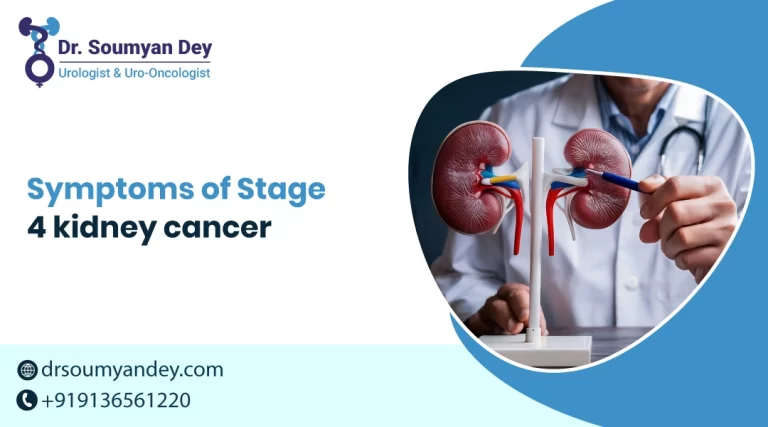
Stage 4 Kidney Cancer: Symptoms, Treatment, and Life Expectancy

The number of kidney cancer patients has been increasing every year. One of the reasons is the prevalence of the CT scan, which detects kidney cancer at an early stage. Kidney cancer treatment in Vashi, Navi Mumbai, is highly effective for early-stage cancers. The treatment becomes more complicated when the cancer has reached an advanced stage. Here’s more about stage IV kidney cancer, symptoms, and treatment options. What is Stage 4 Kidney Cancer? The kidney, a bean-shaped organ, filters your blood, removes excess fluid from the body, and produces urine. When cells in your kidneys start growing uncontrollably, they form a cancerous tumor within the kidney. The cancer is classified into four stages, in which, the cancerous cells stay confined to the kidneys in the early stage and might spread outside kidneys in the later stages. The fourth stage is considered the most advanced. It occurs when the cells from the tumor break through the fatty tissue surrounding the kidneys and invade other nearby organs, such as the adrenal glands and lymph nodes. Where Does Kidney Cancer Spread? Stage 4 kidney cancer cells can reach different parts of your body through the lymphatic system and bloodstream and might form tumors there. The most common sites that the cancer might invade include: The lymphatic system, which destroys bacteria, viruses, and cancer cells, might become a site for these abnormal cells to thrive and spread throughout the body. Stage 4 Kidney Cancer Symptoms Like other cancer types, kidney cancer may not cause noticeable symptoms in its early stages. Here are some hallmark signs of kidney cancer in the later stages: Secondary tumors might cause additional symptoms, depending on where the cancer has spread and the organs it has invaded. The symptoms include: Treatment for Stage 4 Kidney Cancer For stage 4 kidney cancer, the treatment may involve surgical removal of the diseased portion of the kidney or the entire kidney with lymph nodes and affected nearby tissues. Immunotherapy can help improve your immune system’s ability to fight cancer cells and offer relief.  In most cases, a combination of treatments, such as targeted therapy, immunotherapy, and radiation therapy, is used for treatment. Metastatic kidney cancer is difficult to treat, which is why many patients focus on palliative treatment that helps with pain management and improving their quality of life. Life Expectancy in Stage 4 Kidney Cancer According to the American Cancer Society, in patients with stage 4 kidney cancer, the 5-year survival rate is 18% while the same rates for localized and regional cancers are 93% and 75% respectively. That said, these are only the average numbers. The survival rate can vary depending on your overall health and how your body responds to treatment. To learn more, consult the best urologist in Vashi, Navi Mumbai.

Is-Nephrectomy-the-Best-Treatment-for-Renal-Cell-Carcinoma

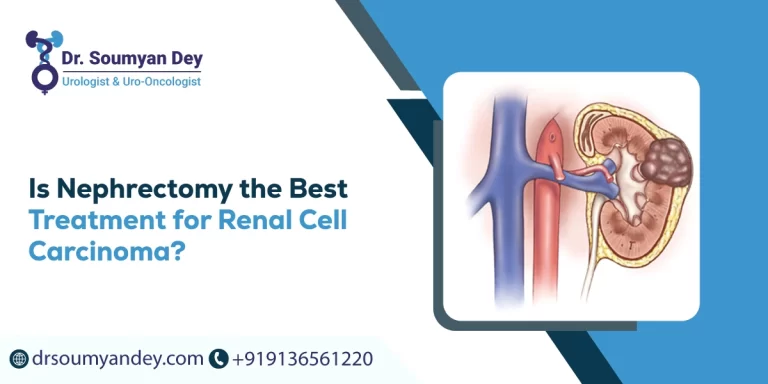
Is Nephrectomy the Best Treatment for Renal Cell Carcinoma?

Renal cell carcinoma affects hundreds of thousands of people worldwide. Kidney cancer sounds intimidating. However, cutting-edge technology has made many advanced treatment options possible for those diagnosed with this malignant cancer.  A common question that people ask is whether nephrectomy surgery is their only hope. Or, is it the best kidney cancer treatment in Vashi, Navi Mumbai? The answer depends on the type of cancer, how far it’s spread, the size of the tumor, and your health. Let’s learn more about it. Causes of Renal Cell Carcinoma RCC starts in the tubules that filter blood and produce urine. Although the exact causes are unknown, certain risk factors that are believed to contribute to an increased risk of RCC include: Symptoms of RCC are often not obvious in the early stages. It may be detected accidentally during routine check-ups or imaging tests. Symptoms might show up later, i.e., when the disease has progressed.  Symptoms usually depend on the parts of the body the cancer has affected. Patients report blood in the urine, weight loss, fatigue, pain in the back, and an unusual mass in the abdomen. Nephrectomy for Renal Cell Carcinoma Nephrectomy is a surgery to remove the diseased kidney (sometimes, a part of it) to get rid of cancer. Your surgeon might recommend: Partial Nephrectomy If the cancer affects only a small portion of the kidney, the oncologist might remove the diseased part, leaving the healthy kidney tissues intact. Choose the best urologist in Vashi, Navi Mumbai, if you want to preserve your kidney function with partial nephrectomy. Radical Nephrectomy Radical nephrectomy removes the entire kidney and is the most preferred choice for patients with a large tumor, a tumor located in the center of the kidney, or when the cancer cells have metastasized to the lymph nodes and the surrounding structures. Depending on the stage of the RCC, the entire kidney, including lymph nodes, adrenal gland, and surrounding tissues, is removed. If the cancer is localized (i.e., it hasn’t invaded the nearby tissues or organs), surgery may be the most effective treatment plan. However, nephrectomy alone may not always be a practical option. For example, people with advanced-stage RCC may require targeted therapy, immunotherapy, or a mix of both for the best results. If the patient’s kidneys aren’t healthy or functioning properly, removing them may worsen their condition. In such cases, cryotherapy or radiofrequency ablation (RFA) can help destroy the cancer. Chemotherapy is not used as a primary treatment for kidney cancer, as kidney tumors are resistant to chemotherapy drugs, making it less effective than other treatment options, like immunotherapy. Conclusion  While nephrectomy is used as the first line of treatment for most renal cell carcinoma cases, surgery alone may not be effective if the cancer has metastasized. That said, there’s no one-size-fits-all treatment for kidney cancer. Some patients may find relief from a combination of treatment options, while others may experience improvement with surgery alone.

When Is RIRS Recommended Over Other Procedures

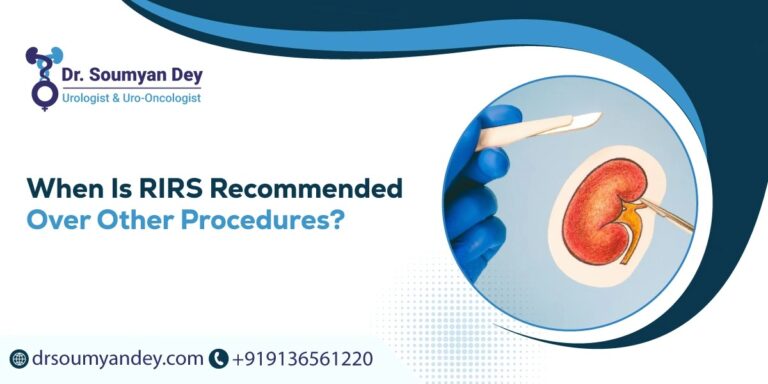
When Is RIRS Recommended Over Other Procedures?

Retrograde Intrarenal Surgery, short for RIRS, is a low-risk, minimally invasive surgery for kidney stones. There are no cuts or stitches. The best urologist in Vashi, Navi Mumbai, uses an endoscope, a special thin instrument for the procedure.  The endoscope passes through your urinary tract, i.e., your urethra and the bladder, to reach your kidney. The urologist uses laser energy to break stones. It’s an ideal medical treatment for patients whose bodies can’t handle an invasive, open surgery. Indications for RIRS RIRS is recommended when you have: Smaller Stones: If you have a small kidney stone, less than 2 cm in size, you may be a good candidate for RIRS. That said, the procedure is also used if the stones are larger and have not responded to extracorporeal shock wave lithotripsy.  Hard-to-Reach Areas: Stones located in locations that are difficult to access through other procedures can be broken down into small fragments with an endoscope. The tool offers excellent flexibility and manoeuvrability, allowing your surgeon to access the stone and remove it easily. Patients Not Fit for Invasive Surgery: Elderly patients and others with a compromised immune system or medical issues, such as bleeding disorders or obesity, might want to consider this least invasive and safest approach for kidney stone removal. Procedure Details Here’s the step-by-step guide for RIRS: Step 1: You will be sedated throughout the surgery to ensure a completely painless procedure Step 2: An optic endoscope is inserted into the urethra and bladder. It’s then moved up toward the affected kidney. Step 3: Once the endoscope reaches its destination, the camera attached to its end is used to visualize stones. Step 4: The surgeon uses a laser to break the stone. Once it’s broken down, it can pass naturally over days or weeks. Step 5: A stent may or may not be placed (temporarily) to allow urine drainage. Advantages of RIRS Here are the reasons why RIRS surgery in Vashi, Navi Mumbai, is often a preferred choice of treatment for kidney stone removal. No Severe Trauma: RIRS is a minimally invasive surgery with no incisions or sutures. There’s no trauma to the blood vessels or nerves, making it safer and less painful than other surgical approaches. Shorter Hospital Stay: You can expect a discharge within 24 hours if your vitals are stable. Quick Recovery: You can resume your normal life within a few days to a week after RIRS. Less post-operative pain with no scars makes recovery easier and quicker compared to an open surgery. Post-operative Care It’s normal to have some discomfort in the abdomen or back after RIRS. Urinary symptoms, like blood in the urine and frequent trips to the restroom, are also common side effects of the treatment, but they usually resolve in a week. Your surgeon will prescribe painkillers and other over-the-counter medications to relieve pain and other symptoms.  Urinary urgency is especially common in patients who have a stent placed. This will be removed in 1-2 weeks. It’s advisable to drink enough water to ensure the smooth passing of the remaining fragments (if any) of the stone naturally. You must also avoid heavy lifting, physically demanding exercises, and sexual intercourse for a few weeks.

Single-Incision Laparoscopic

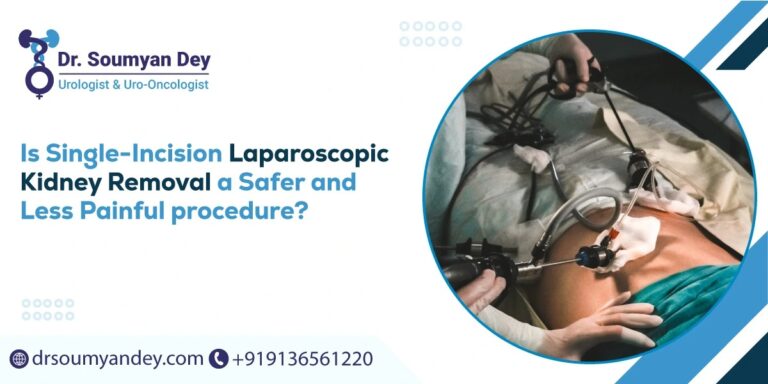
Is Single-Incision Laparoscopic Kidney Removal a Safer and Less Painful Procedure?

Laparoscopic surgery has evolved. This minimally invasive approach has been chosen by most patients who are advised to undergo a kidney removal surgery in Vashi, Navi Mumbai. The minimal scarring, less post-operative pain, and fewer incisions are some key benefits of the approach.  A recent advancement in the technique is the single-incision laparoscopy for nephrectomy. Instead of making multiple incisions on your abdomen, the surgeon creates only a single small incision around the belly button, making the surgery safer, less painful, and easier on your body. Here’s all you should know about it. When is Single-Incision Laparoscopic Kidney Removal Recommended? Here’s when single-incision laparoscopic kidney removal is needed. Kidney Cancer: Surgery is needed if you are diagnosed with kidney cancer. The exact treatment plan depends on how fast the cancer spreads or the level of damage it has caused. If it’s an initial-stage cancer, the entire kidney might be removed with laparoscopic surgery to reduce the risk of the cancer spreading. Non-functioning Kidney: If one of your kidneys doesn’t function optimally, is infected, or has congenital defects, removing it with nephrectomy surgery can be an ideal decision.  Donor Nephrectomy: People who donate their kidneys can also undergo single-incision nephrectomy to ensure better post-operative outcomes, lesser pain, and no major scars.  What are the Benefits A urologist in Vashi, Navi Mumbai, can remove your kidney through SILS. You might wonder how it is different from open surgery or typical multiple-incision laparoscopic nephrectomy. Here is how it’s a better alternative to other nephrectomy procedures: Minimal Scarring: The biggest advantage of SILS is minimal scarring. The incision length is 2-4 cm and is either in the navel or close to it. If you are concerned about a 10-12 cm long scar from an open surgery or multiple small scars in a laparoscopic procedure, this could be your best option.  Reduced Pain: A single, small scar means less post-operative pain. Your surgeon doesn’t have to make big cuts on the muscles and tissues, which reduces the pain levels significantly. As a result, you don’t have to take stronger pain medications. This also means you can walk, move, laugh, and transition to your pre-surgery life quickly. Quicker Recovery: You can also resume your routine tasks sooner and get back to work faster compared to the longer recovery periods of traditional open surgery. You can expect a discharge in 1-2 days and can perform light activities in a week (if your doctor clears you for it). Full recovery can be expected in 4-6 weeks. Reduced Risk of Complications: In SILS, there’s only one entry point. Fewer incisions mean a lower risk of infection, bleeding, or hernias. Besides, a single incision makes wound care easier for the patient.SILS is a modern, innovative surgical approach for nephrectomy. It’s ideal for people donating their kidneys or needing to detach them due to medical reasons. The success rate of the procedure depends on many factors, such as the surgeon’s expertise and your health, but overall, it’s a highly preferred and smart alternative to traditional nephrectomy procedures.

Urinalysis in BPH Diagnosis

Urinalysis in BPH Diagnosis: Why Does It Matter?

Urinalysis in BPH Diagnosis: Why Does It Matter? Benign Prostatic Hyperplasia refers to the enlarged prostate in men. As men age, the prostate gland, which sits below the bladder, gets bigger. This causes uncomfortable urinary issues, like incomplete emptying of the bladder, weak stream, and frequent urge to urinate. If you experience any unusual urinary symptoms, a top urologist in Vashi, Navi Mumbai, can help diagnose the underlying cause.  Benign Prostatic Hyperplasia Diagnosis If you have BPH, early treatment can often improve your quality of life. Here\’s how it\’s diagnosed. Medical History This is often the initial step in diagnosing BPH. A healthcare expert will ask questions about urinary issues, such as how many times you wake up to urinate at night, whether you feel urgency, whether your bladder feels full even after using the toilet, and what your stream looks like. They may also ask about any medications you are currently on, if you have diabetes or any neurological disorders. Physical Examination It might sound a little complicated or painful, but a rectal exam is quick and often helpful in diagnosing BPH. This involves putting their fingers into your rectum to check for a larger prostate or any lumps inside it. Tests Used to Detect BPH If your doctor thinks you might have BPH, you may need more tests. To diagnose BPH in Vashi, Navi Mumbai, your doctor might run these tests: Urinalysis: You need to give a urine sample. The lab will check it to find signs of infection, glucose, blood, or protein. Symptoms of an enlarged prostate can seem similar to urinary tract infection symptoms. Sometimes, the symptoms can signal a more severe health issue, such as bladder stones or cancer. Urinalysis helps rule these out. PSA Blood: The Prostate gland produces a protein, the levels of which can rise slightly if you have a bigger prostate. However, if this protein content is found in a significantly high volume, it could indicate prostate cancer.  Uroflowmetry: Urine flow test measures your urine stream. Men with an enlarged prostate have a weaker stream.  Post-void Residual Volume Test: Men with BPH often report the feeling of incomplete emptying of the bladder. The post-void residual volume test detects the urine volume in your bladder after you\’ve peed. 24-Hour Voiding Diary: Your doctor may ask you to record the number of times you urinate over a 24-hour period. You must also record the volume.  Cystoscopy: This diagnostic tool involves inserting a thin, lighted tube through the urethra to examine the prostate, bladder, and surrounding structures clearly. This rules out strictures, tumors, and stones as the underlying causes of urinary symptoms. Ultrasound: It\’s an imaging test that detects the prostate\’s size and any swelling or abnormalities within it. Ultrasound can be transabdominal or transrectal (conducted through the rectum). Urodynamic and Pressure Flow Studies: The test involves passing a catheter through the urethra to the bladder. Water or air is used to measure the pressure in the bladder when you pass urine. BPH is a common concern in older men. Although many tests are available to get an accurate diagnosis, urinalysis is often used to rule out conditions that can mimic the symptoms of BPH.

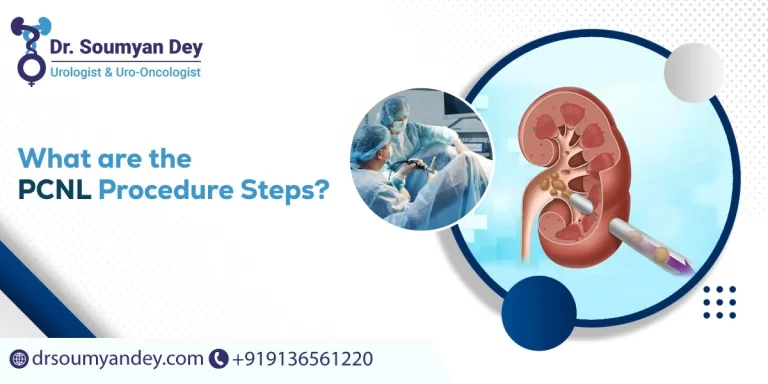
PCNL Procedure Steps

What are the PCNL Procedure Steps

Large kidney stones that do not get expelled from your body through urine or do not respond to conservative treatments might need surgical removal. The procedure to remove these stones surgically is called Percutaneous Nephrolithotomy (PNCL) and is often reserved as a last resort. It may sound complex, but PCNL surgery in Vashi, Navi Mumbai, is a minimally invasive surgical procedure for kidney stone removal. To help you understand how it works, we’ve created a step-by-step guide on PCNL. Here’s a look: PCNL Procedure Steps Before Surgery  The pre-surgical preparations for Percutaneous Nephrolithotomy are similar to those for other surgeries. A urologist may conduct blood tests, urinalysis, and imaging tests before surgery.  You are advised to avoid eating and drinking 6-8 hours before the surgery is scheduled. You may need to stop blood thinners (if you are taking them). Antibiotics may be recommended to prevent infections. During Surgery The procedure typically lasts between two and four hours. Sometimes, the stones are sent to the lab for thorough evaluation. The technicians check the composition of the stone to identify the components it’s made up of. This helps prevent its recurrence. After PCNL, you will be taken to the recovery room, where your vitals will be checked regularly to ensure you are healing well. Recovery and Aftercare The recovery period is different for each patient. However, most people resume their basic activities within a week after PCNL. Walking is recommended after surgery to prevent blood clots, constipation, and other complications. However, you must not lift heavy weights, especially objects that weigh more than 8 pounds. Make sure you attend the follow-up visits, as a urologist in Vashi, Navi Mumbai, will most likely run tests to ensure the stones are completely removed. They may also provide instructions regarding diets, lifestyle changes, medication, and physical therapies for faster healing. When to See Your Doctor Modern surgical approaches and advanced equipment make complications after surgery less likely, but it’s best to watch for these signs and head to your urologist immediately if you notice any. While PCNL may sound intimidating, it’s a safe and effective surgical treatment for kidney stone removal, specifically for stones that cause immense pain. 

Scroll to Top
📞