
Prostate Cancer - Dr.Dey
Dr. Soumyan Dey
Urologist & Uro-Oncologist

Dr.Dey

Prostate Cancer

Can-Prostate-Cancer-be-Prevented

Can Prostate Cancer be Prevented?

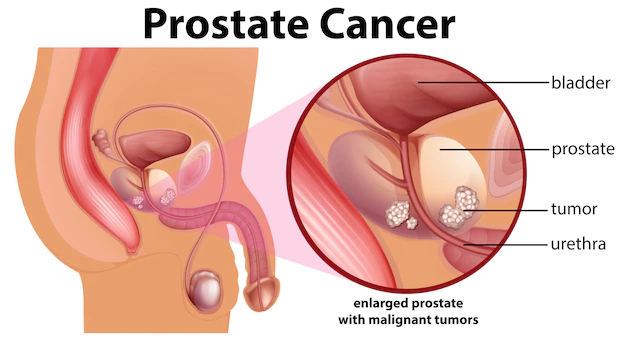
Prostate cancer originates in the prostate gland, which plays a crucial role in semen production. Prostate cancer, like other cancers, is not completely preventable. Cancers linked to genetics can’t be prevented. That said, certain evidence-based dietary or lifestyle choices can make a difference.  Besides, getting tested regularly can help detect cancer early, improving the success rate of prostate cancer treatment in Vashi, Navi Mumbai. Let’s take a look at some healthy tips for reducing your risk of getting prostate cancer. Healthy Lifestyle Choices Your dietary choices can contribute to your risk of developing cancer. Foods rich in saturated fat, for example, have been linked to a heightened risk. That doesn’t mean you have to eliminate fat-rich food from your diet. Focus on limiting the consumption or switching to healthier alternatives. Try to eat a balanced plate containing lean proteins and plant-based foods. Eat More Fruits and Veggies If you want to balance taste with nutrition, your best bet is a plate filled with fruits and veggies. A colorful plate with leafy green vegetables and colorful fruits provides essential vitamins, minerals, and antioxidants. This includes the cells in your prostate. You can eat fruits raw, make fruit or vegetable salads, add them to your favorite dessert, or cook them lightly. Everything counts. Stay at a Healthy Weight Obesity can heighten your risk of prostate cancer. If your BMI is higher than normal, consider shedding those extra pounds. Do not start crash diets. Focus on gradual weight-loss plans that combine healthy eating with exercise. Cut back on your calorie, sugar, and processed food intake.  Exercise Regularly Exercise is a big step in reducing your risk of prostate cancer. It helps cut down excess fat, improve hormonal balance, and boost your immunity, all of which can help with prostate cancer prevention. Choose simple exercises and practice them more often. For example, start your day with a walk, try swimming and cycling, and practice yoga. Avoid Smoking & Limit Alcohol Although not every study links smoking and alcohol with an increased prostate cancer risk, some studies suggest that men who smoke might be at a higher risk of recurring prostate cancer and the cancer spreading beyond the prostate gland. Smoking is dangerous, not just for the prostate, but for nearly every organ in your body. Likewise, alcohol consumption can put you at an increased risk of prostate cancer. Quit both. Get Regular Screening An important step in the prevention of prostate cancer is staying aware. Men who are obese, have a family history of prostate cancer, or are of a certain race might need regular screening after a certain age. Talk to a prostate cancer surgeon in Vashi, Navi Mumbai, about PSA and other tests for early prostate cancer detection.  Conclusion Embracing a healthy way of living, consuming a well-rounded diet, and regular physical activity can improve your general health. These can help maintain your prostate and other organs’ health, lowering your risk of prostate cancer.

Symptoms for Urological Cancer

Exploring the Alarming Warning Signs & Symptoms for Urological Cancer

Urological cancer is a collective medical term for all types of cancers that begin in the male and female urinary system or the male reproductive system. The most commonly affected areas include the bladder, kidneys, ureters, testes (in men), prostate, and urethra.  While the symptoms of urological cancers may vary depending on the affected organs, they all require early detection and prompt medical attention for a better chance of recovery. Common Symptoms of Urological Cancer Here’s what most people with urological cancer are likely to notice. Some people with urological cancer are asymptomatic, while others experience severe symptoms. Blood in the Urine Also called hematuria, blood in the urine is often considered an early sign of bladder cancer. In some cases, the urine turns pink or red with visible blood drops. In others, the blood may be too little in amount to be seen without a microscope. People with hematuria usually do not consider it a major issue because it happens occasionally, and it may not cause any pain. While blood in the urine may not always indicate a serious medical issue, it’s always best to have yourself checked. Painless Lump In men, testicular cancer can lead to a painless lump with a visible swelling in one or both testes. The scrotum might feel heavier. In some cases, the lump occurs with pain. It’s important to notice changes in your testicular appearance and see a professional if you notice anything unusual. This cancer can grow quickly and aggressively.  Unexplained Weight Loss If you have been losing weight without trying, it could be an early sign of cancer. If unexplained weight loss is accompanied by urological issues, like inability to pass urine, an urge to urinate often, or pain and burning sensation while urinating, it’s best to get checked for urological. Less Common Symptoms Fatigue Your body tends to burn energy faster when it’s fighting off a disease. As a result, you are likely to feel tired and extremely weak. If you feel unusually tired or notice anything off about your energy levels, it’s time to see a healthcare expert. Lower Back Pain A most notable sign of kidney cancer is pain in the lower back, just beneath the ribs. Sadly, the pain only crops up when the tumor has grown bigger. You could have dull or sharp pain. There’s no way to know whether the pain in the back is associated with other non-critical issues or a chronic disease, which is why it’s best to see a urologist to rule out urological cancer as a potential cause.  Recurrent UTIs Frequent episodes of urinary tract infections can signal an underlying issue, possibly a urological cancer. Although UTIS can occur due to poor hygiene, low immunity, and other factors, if you have been getting them frequently, it’s best to consult with a doctor. Depending on the type and aggressiveness of the cancer, a urologist may recommend a combination of treatment plans that help slow its progress and kill the cancer cells before they reach an advanced stage.

Benign Prostatic Hyperplasia (BPH)

Understanding and Combating Benign Prostatic Hyperplasia (BPH)

With age, the prostate gland that sits right beneath the bladder tends to get bigger. Although it’s not a medical emergency, you may need benign prostatic hyperplasia treatment in Navi Mumbai to live a healthy and normal life. In this post, we’ll take a detailed look at BPH, its symptoms, risk factors, and treatment options. What is Benign Prostatic Hyperplasia (BPH) Your prostate produces semen. It’s located near the urethra. If it gets bigger, it might block your urethra, which might prevent you from urinating. The condition might affect a man’s urinary tract, causing a series of urinary issues, like difficulty peeing, a weak urine stream, frequent urination, and incontinence.  BPH usually develops in men above 55. Although it’s non-cancerous and doesn’t directly increase your risk of developing prostate cancer, the symptoms of prostate cancer can be mistaken for BPH, which is why thorough evaluation is always necessary. What Are the Warning Signs of Enlarged Prostate? The symptoms might get worse over time and can vary from patient to patient.  Here’s what people with enlarged prostate report: The size of the prostate doesn’t affect the severity of the symptoms. People with an extremely enlarged prostate might notice manageable symptoms or no symptoms at all, while those with a slightly enlarged prostate might have major symptoms. Common Risk Factors for BPH Although anyone can develop BPH, here are a few factors that increase your risk: Combating Benign Prostatic Hyperplasia Here’s what may help prevent BPH: Treatment for Benign Prostatic Hyperplasia Your doctor may recommend oral medication to shrink the prostate\’s size. Certain lifestyle changes, like a balanced diet and an active lifestyle, can manage your symptoms. For more severe cases, BPH surgery in Navi Mumbai might be necessary.  Transurethral resection of the prostate (TURP) is one of the commonly performed surgical procedures for an enlarged prostate. The surgery involves guiding a resectoscope through the urethra to remove prostate tissues. Transurethral Incision of the Prostate is another possible treatment, which enlarges the urethra to ensure uninterrupted urine flow. Conclusion Benign prostatic hyperplasia is a common issue in older men. Watchful waiting is usually recommended for patients who do not experience severe symptoms. If it’s affecting your quality of life, you may want to discuss suitable treatment options with your healthcare provider.

Symptoms of Stage 1 Prostate Cancer

Symptoms of Stage 1 Prostate Cancer

The prostate gland, an essential part of the male reproductive system, is responsible for making fluid that’s ejaculated with semen through the penis. The abnormal growth of the cells in your prostate can result in a tumor. The question is, what are the symptoms of stage 1 prostate cancer, and when should you see a prostate cancer specialist in Navi Mumbai? In this post, we’ve listed the common early signs of prostate cancer that every male, particularly those above 50, should be aware of. Understanding Stage 1 Prostate Cancer Stage 1 prostate cancer is localized to your prostate, meaning it doesn’t spread beyond the prostate. Early detection makes treatment more favorable for the patient, as cancer at the first stage is usually confined to the prostate. The tumor is more minor, slow-growing, and highly treatable at this stage. Prostate cancer, like other cancers, does not show any noticeable symptoms at the first stage. It can be diagnosed during your routine healthcare checkup, but symptoms-wise, there’s nothing very unusual that may encourage you to visit a urologist. That said, some men do experience changes in their prostate health. Although they don’t certainly mean you have cancer, it’s best to consult a doctor if you notice these signs. Common Symptoms of Prostate Cancer Here’s what can indicate prostate cancer: 1) Changes in Your Urination Pattern: You might experience many urination issues, like difficulty starting the flow, frequent urination, weak urine flow, pain or a burning sensation while urinating, and hematuria. Since the prostate surrounds the urethra, a cancer in the prostate can affect your urination pattern. However, these changes are mostly noticeable when the tumor has grown in size and spread to the surrounding tissues and lymph nodes. 2) Pelvic Pain: Although it’s usually associated with an advanced stage of prostate cancer, pelvic pain can occur in patients with prostate inflammation or BPH (prostate enlargement) in the first stage. Pelvic pain that remains persistent and occurs with blood in the urine, frequent urination, and other unusual symptoms need to be evaluated by a healthcare professional. Other Warning Signs Symptoms of prostate cancer at the early stage are often related to the changes in urination pattern, but a few other cancer signs that are often confused with other prostate-related issues include: Importance of Regular Check-ups Routine screening is the most crucial step for older men who are at increased risk of prostate cancer. A digital rectal exam (DRE), for instance, can help your doctor identify any unusual lumps or prostate enlargement at an early stage. Prostate-Specific Antigen (PSA) test is another common way to detect cancer. PSA is a protein produced by a healthy and cancerous prostate. Elevated levels of this prostate can indicate cancer, although the high levels are also linked to benign conditions, like prostatitis and benign prostatic hyperplasia (BPH). Based on your results, your doctor will tell you whether you need to go for prostate cancer treatment in Navi Mumbai.

Causes of prostate cancer in young males

Causes of Prostate Cancer in Young Males

Prostate cancer occurs in the prostate gland, that’s located between the bladder and the penis. Experts do not know what causes prostate cancer, but the risk increases with age. Genetic, environmental, and lifestyle factors can also contribute to the heightened risk of men developing prostate cancer. Although rare, younger men (between 15 and 40 years) can also be diagnosed with cancer. Early screening and detection can help you get the best prostate cancer treatment in Navi Mumbai. In the meantime, let’s understand the causes of prostate cancer in young males. Genetic Factors BRCA 1 and BRCA 2 genes are responsible for repairing damaged cells and preventing your normal cells from growing uncontrollably, increasing your risk of developing cancer of the breasts and prostate (in men). If the child receives even a single mutated copy of either of these genes, their risk of prostate cancer increases. So, gene mutation is one of the common causes of prostate cancer in younger males. If you have a family history of prostate cancer, such as a brother or father diagnosed with this chronic illness, your risk of developing it heightens. Younger males diagnosed with prostate cancer due to the BRCA gene mutations are likely to develop an aggressive form of cancer that might spread rapidly. Lifestyle and Environmental Factors Your dietary habits are also linked to your prostate cancer risk. A diet rich in red meat and processed food with fewer vegetables and fruits may increase your risk. Obesity is also a major factor here. Not only are obese people more vulnerable to developing prostate cancer, but there’s a higher chance the cancer might return after treatment in obese people. Smoking, regular alcohol consumption, and sexually transmitted diseases are other risk factors. Additionally, environmental factors like regular exposure to harmful toxins at work or radiation can destroy your prostate cells, which eventually increases the likelihood of developing prostate cancer in young men. Also Read: Prostate Cancer Symptoms in Males Hormonal Influences High levels of testosterone and androgen are associated with an increased risk of prostate cancer, although significantly low levels of these hormones can also increase your cancer risk. The abnormal levels of these hormones can disrupt prostate cell growth, which can eventually turn into cancer. If your cancer is linked to hormonal imbalance, hormone therapy combined with other treatment options can help shrink the tumor and slow its growth. Speak with a prostate cancer surgeon in Navi Mumbai to learn how hormone therapy works for prostate cancer. Inflammation and Infection Inflammation or infection in the prostate gland can also develop into cancer over time. That’s more common in men with chronic inflammation. Frequent bacterial infections in the prostate and sexually transmitted infections can trigger your body’s immune system to release white blood cells to fight off the bacteria. This leads to inflammation. Chronic inflammation can damage your prostate over time, which can cause abnormal cell growth that can turn cancerous. Conclusion Early prostate cancer diagnosis can help you cure cancer and live a cancer-free and healthy life for years. That’s why men with a family history of prostate cancer must get regular screening after 40.

prostate cancer symptoms in males

Prostate Cancer Symptoms in Males

Prostate cancer is one of the most frequent and damaging diseases among the male population. The treatment of prostate cancer will have much more chances of getting better with early diagnosed and detected cases. This article investigated the significance of knowing the symptoms and risk factors of prostate cancer. This type of approach stresses the importance of regular screening tests, which should be started at the appropriate age. For instance, routine medical consultations from a Cancer Specialist in Navi Mumbai can lead to detection of prostate cancer at a much earlier stage and hence treatment becomes more successful and easier. Common Prostate Cancer Symptoms One of the most typical symptoms of prostate cancer in young men is urinary dysfunction. The difficulty of starting or stopping the flow of urine, dribbling urine after finishing the urination or straining to pass urine are among the serious signs of prostate cancer and urinary issues like prostate cancer. Furthermore, many men also report erectile dysfunction or difficulties in getting an erection. Others might have blood in their urine or semen which is an indication of an urgency to be seen by Prostate Cancer Specialists immediately in Navi Mumbai. The presence of bone discomfort, particularly of the back, hips and shoulders, can sometimes be indicative of the spread of prostate cancer to other body organs. Risk Factors for Prostate Cancer Age is a direct risk factor—maximum prostate cancers are found after 65. In addition to the genetic facts, men with a father or brother who had an advanced stage of prostate cancer have higher odds of it. In comparison with other races and ethnic groups, African-American males suffer more from prostate cancer. Another of the many research findings is that excessive weight or obesity increases the risk (of some cancers) with the fat cells producing hormonal changes which facilitate the progression of cancer. A Prostate Cancer Treatment in Navi Mumbai can predict the severity levels depending on the factors mentioned above. Also Read: How is Prostate Cancer Diagnosed? Importance of Regular Check-ups and Screening One of the most typical symptoms of prostate cancer in young men is urinary dysfunction. The difficulty of starting or stopping the flow of urine, dribbling urine after finishing the urination or straining to pass urine are among the serious signs of prostate cancer and urinary issues like prostate cancer. Furthermore, many men also report erectile dysfunction or difficulties in making an erection. Others might have blood in their urine or semen which is an indication of an urgency to be seen by Prostate Cancer Specialist in Navi Mumbai. The presence of bone discomfort, particularly of the back, hips and shoulders, can sometimes be indicative of the spread of prostate cancer to other body organs. Treatment Options for Prostate Cancer Surgical resection of prostate cancer which is the most common source of organ confined prostate cancer is the radical prostatectomy. Radiotherapy gives high-energy rays accurately aimed at cancer cells in an attempt at cancer cell destruction. This may be external beam radiation therapy or internal implants of radiation. Targeted therapy with hormone therapy, which aims to cut down testosterone, the prostate cancer cells need to grow, through drugs, is employed in the advanced stages or with recurrence. Chemo, however, uses strong medicine to kill fast-growing cancer cells, and this treatment is almost always administered for metastatic cancers. The Specialist in Cancer, however, considers the severity, risk categories as well as individual factors with care to give the best possible outcomes. Conclusion Creating awareness about common signs and risk factors for prostate cancer is crucial for early detection and better prognosis. By making regular checkups part of male healthcare from the recommended age with a Prostate Cancer Specialist in Navi Mumbai, men can catch any issues in the initial stages and greatly increase their chances of successful treatment at a Prostate Cancer Treatment in Navi Mumbai. While lifestyle changes like diet, exercise and weight management may help prevent prostate cancer, appropriate timely screening is key to a patient getting optimal medical care for this condition.

Understanding the Survival Rate of Prostate Cancer

Understanding the Survival Rate of Prostate Cancer

Prostate cancer, affecting one in eight men throughout their lifetime, can understandably raise an array of questions and concerns. While navigating diagnosis and treatment options, understanding your survival rate becomes crucial to informed decision-making. This blog delves into the factors influencing prostate cancer survival rates, empowers you with knowledge, and highlights the expertise of Dr. Soumyan Dey, a renowned Prostate Cancer Specialist in Navi Mumbai. Factors Influencing Prostate Cancer Survival Rate Several factors influence your individual prostate cancer survival rate. Let\’s explore some key players: i) Age: Younger men often exhibit better prognoses due to a more robust immune system and potentially slower cancer progression. ii) Stage: The extent of cancer spread significantly impacts survival. Localized cancers confined to the prostate offer higher survival rates compared to advanced stages with regional or distant spread. iii) Grade: This indicates the aggressiveness of cancer cells, with lower grades signifying slower growth and higher survival rates. iv) Gleason score: This system combines grade information from two tumour areas, providing a more nuanced picture of aggressiveness and influencing survival estimates. Treatment Options and Their Impact on Survival Rate The prostate, a male reproductive gland, can develop cancerous cells, leading to prostate cancer. While varying aggressiveness, early detection and personalized treatment are key to optimizing outcomes. Prostate Cancer Treatment in Navi Mumbai, each with varying impacts on survival rates, include: a) Active Surveillance: For low-risk prostate cancer, the doctor may recommend active surveillance. It involves closely monitoring the cancer with regular check-ups and only initiating treatment if the cancer shows signs of progression. Active surveillance can offer excellent long-term survival rates while avoiding unnecessary treatment side effects. Also Read: Know When to Get Prostate Surgery Done? b) Surgery: Surgical removal of the prostate gland, known as radical prostatectomy, is a common treatment for localized prostate cancer. Surgery can provide excellent survival rates, particularly for patients with early-stage disease. c) Radiation Therapy: Radiation therapy uses high-energy rays to kill cancer cells. It can be delivered externally or internally (brachytherapy). Radiation therapy is often used as a primary treatment for localized prostate cancer or as adjuvant therapy following surgery. d) Hormone Therapy: Hormone therapy, also known as androgen deprivation therapy, aims to reduce the levels of male hormones (androgens) in the body, which can fuel the growth of prostate cancer. Hormone therapy is commonly used in combination with other treatments and can improve survival rates, particularly in advanced or metastatic prostate cancer. e) Chemotherapy: The doctor may recommend chemotherapy for advanced or metastatic prostate cancer that has stopped responding to hormone therapy. While chemotherapy can help extend survival and improve quality of life, its effectiveness may vary depending on individual factors. Conclusion Understanding the survival rate of prostate cancer is essential for making informed decisions about treatment options and managing expectations. In Navi Mumbai, individuals diagnosed with prostate cancer can benefit from the expertise of specialists like Dr. Soumyan Dey, who offer personalized treatment plans to optimize survival outcomes. By considering factors such as age, stage, and treatment options, patients can navigate their prostate cancer journey with confidence and hope for the best possible outcome.

Prostate Cancer Surgery In Navi Mumbai

Know When To Get Prostate Surgery Done

The prostate is a small gland located between the bladder and penis in men. It plays a role in producing semen and is susceptible to changes as men age. With increasing age, hormonal changes and cell growth can cause the prostate to enlarge, a condition known as benign prostatic hyperplasia (BPH). A study states, \”By age 60, half of all men will have an enlarged prostate, and by age 85, the proportion reaches 90%.\” An enlarged prostate can increase the risk of kidney problems or repeated urinary tract infections. If you have an enlarged prostate that causes certain medical conditions and other treatments don\’t provide enough relief, you should get enlarged prostate surgery in Navi Mumbai.    Conditions that require prostate surgery  If you have any of these medical problems, you should consider getting enlarged prostate treatment in Vashi, including: Prostate cancer is the most common cancer diagnosed in men. In most cases, it is a slow-growing cancer, but it can spread to other body parts if it is not treated. Some common symptoms of prostate cancer include frequent urination, weak urine flow, erectile dysfunction, bone pain, and pelvic discomfort. Doctors recommend prostate surgery to treat prostate cancer. Prostatitis is an inflammation of the prostate gland. A bacterial infection, a virus, or an autoimmune disorder may cause it. Prostatitis can cause a variety of symptoms in a person, including pain, difficulty urinating, and blood in the urine. Doctors sometimes use prostate surgery to treat prostatitis, but it is usually not the first line of treatment. BPH is a common condition in older men that causes noncancerous prostate gland enlargement. It can cause various symptoms, including difficulty urinating, frequent urination, and a weak urine stream. Your healthcare provider may suggest TURP, laser ablation techniques, or prostate artery embolization (PAE) to treat BPH. Check more about Blood In Urine: What Does it Mean? A prostate abscess is a collection of pus in the prostate gland. It is a rare condition, but it can be serious. Prostate abscesses are usually treated with antibiotics and surgery. It typically requires drainage to remove the infection and relieve symptoms. Surgical procedures, such as transrectal or transperineal drainage, may be necessary to address the abscess. Moreover, doctors may use prostate surgery to treat prostate abscesses if other treatments, like antibiotics, are unsuccessful.  This condition causes narrowing of the urethra, the tube that carries urine from the bladder to the outside of the body. Doctors may use prostate surgery to treat urethral stricture if other treatments, like medication or balloon dilation, are ineffective. Conclusion : If you want an enlarged prostate treatment clinic in Navi Mumbai, consider visiting Dr. Soumyan Dey. He is a leading urologist and uro-oncologist with 12 years of experience. Dr. Dey believes that surgery should only be used when necessary. He uses minimally invasive surgical techniques whenever possible, which can help to reduce recovery time and pain. Also Read : How is Prostate Cancer Diagnosed?

PSA test for Prostate Cancer

PSA Test in Mumbai for Prostate Cancer

Should You Take a PSA Test for Prostate Cancer? Men above 50 should take a PSA test if they are experiencing difficulty in urination or any signs of abnormality in their bladder function. PSA or prostate-specific antigen is the most common and effective way to identify the signs of prostate cancer at the earliest stage. The sooner the cancer is diagnosed, the higher your chances of survival and a faster recovery. This test can be performed alone or with a rectal examination where your urologist tests your prostate manually for abnormalities. Let’s understand PSA, its uses, and how it’s conducted. What is Prostate-Specific Antigen Test? PSA is a protein in your semen, which is released into your bloodstream. Very small amounts of this protein are normally found in your bloodstream, but if the PSA level increases, it indicates a more severe underlying problem. Cancer cells produce and release more PSA into your bloodstream than the usual amount. However, a rising PSA level in your blood doesn’t always indicate cancer. It can also be a sign of another problem in your prostates, such as urinary tract or prostate infection. Men who are at a higher risk of prostate cancer, such as those with a history of cancer or men above 50 years, should take the PSA test periodically.  It’s a blood test where the doctor takes a small amount of blood and sends it for screening. Scientists measure the PSA level in your blood. Higher PSA indicates an increased risk of prostate cancer, but since prostate cancer is more complicated than we can imagine, PSA alone doesn’t confirm that you have cancer. Sometimes, people are diagnosed with prostate cancer even when their PSA is low or normal. Your doctor may also consider other factors when measuring this protein level in your blood. For example, they consider your age (as PSA tends to rise slightly with your age). Your race also matters since black people have a higher PSA level. If you take this test regularly, the doctor might take a look at your previous reports to examine the change in the PSA over time. What can Increase Your PSA Level? A larger than a normal prostate  Bacteria infection in your prostate glands that causes swelling and inflammation  Benign prostatic hyperplasia that makes it difficult for men to ejaculate or urinate Certain medications  PSA below 4 ng/ml is considered normal and above that is concerning. However, there are cases where people with a lower than 4 PSA score were diagnosed with prostate cancer, and others with a slightly higher PSA were not. That’s why the test is always taken with a digital rectal exam, a biopsy, MRI, and other imaging tests for an accurate diagnosis. Early detection of prostate cancer can prevent the fast-growing cancerous cells from spreading to the nearby organs and tissues. Although higher PSA can indicate other problems, we can’t ignore that it’s linked to a high risk of prostate cancer. Based on your results from PSA screening, the doctor might order other tests, such as a biopsy, to diagnose the root cause of the issue. You can consult Dr Soumyan Dey for Prostate Cancer treatment. Dr Soumyan Dey is a renowned Urologist in Mumbai & Navi Mumbai, Uro-oncologist and best Prostate Cancer Surgeon in Mumbai and Navi Mumbai offers best treatments for prostate cancer, prostate enlargement. First you have to go for Prostate-Specific Antigen (PSA) Test. 

Side Effects of Prostate Cancer Treatment

Side Effects of Prostate Cancer Treatment

Most common Side Effects of Prostate Cancer Treatment and how to deal with them! Prostate cancer is one of the most common urological cancers, seen in aged men. A Uro-oncologist generally suggests proctectomy (prostate removal surgery) or Radiation therapy as a treatment option for prostate cancer. Unfortunately, they do have some post treatment side-effects which the patients have to be prepared for. Below the are the most common side effects of prostate cancer treatment that often experienced by patients. Its important to note that most of these side-effects can be prepared for in advance which can help patients cope with them post-surgery. Urinary Incontinence: As the prostate is now removed, the bladder has to be connected to the urethra for the flow of urine. The very delicate sphincter at the base of the bladder which control the passage of urine often suffer certain trauma. Hence, patients experience incontinence post-surgery. However, bladder control is regained by most men within a years’ time. To Facilitate this surgeon or a physiotherapist will suggest some pelvic exercises to strengthen these sphincter muscles to help regain bladder control. Most patients see a greater improvement in control 3-6 months. The control only increases overtime for most patients. This is primarily seen in patients who have undergone proctectomy. Patients who undergo radiation therapy may experience some level of Urinary Incontinence during the radiation therapy period. Patients need to prepare themselves to wear adult diaper and pads until they can regain control. Erectile Dysfunction: One of most common area’s of concern in men is that of erectile dysfunction. The muscles that control erection are extremely delicate and any trauma to them may lead to ED. Hence, for patients undergoing prostate removal surgery whether they will suffer from ED or not, highly depends on the stage and type of cancer and that of the skill of the surgeon doing the surgery (for initial stage cancers). Infertility: infertility is one side effect of both the prostate cancer treatment options. Due to the anatomy of the urinary and male reproductive system, the Seminal glands also have to be removed when removing the prostate. While radiation therapy may affect the Seminal glands result in production of low quality seminal reducing the sperms mobility. Hence, if such patients plan to father children post-treatment, they could opt for Sperm Banking. They may also undergo a Sperm Retrieval Procedures wherein the sperm is extracted from the testicles and later used for IVF. Its best to discuss this with your treating doctor before initiating treatment. Bowel Dysfunction: This is mostly seen in patients who undergo radiation therapy. Patients may experience lowered bowl function during the months of radiation and normalises after 6-12 months Lee haney: today\’s generation of bodybuilders are \’bigger but lack quality\’ – fitness volt dragon pharma anavar ghanaian bodybuilder william bonac wins second arnold classic title Patients must be very open with their treating uro-oncologist and address any apprehensions they might have about the potential side-effects of prostate cancer treatment. As explained, most of these side-effects can be prepared for in advance. This will help the patient cope with them in a better manner and have a less stressful recovery. We hope this article was useful for patients. https://www.pcf.org/about-prostate-cancer/prostate-cancer-side-effects/ https://www.ncbi.nlm.nih.gov/pmc/articles/PMC4501804/

Scroll to Top
📞