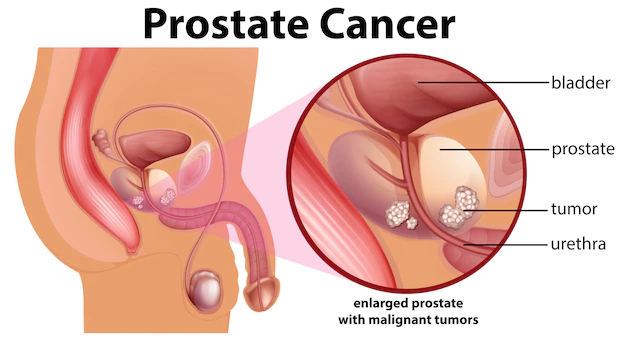
Both radiation therapy and robotic prostatectomy are effective treatment choices for localized prostate cancer. Both have excellent outcomes. However, they have different recovery periods and risks.
Prostate Cancer Robotic Surgery vs Radiation: Which Treatment Is Better?
Localized prostate cancer is when the cancer cells are confined to the prostate. For most localized prostate cancer cases, surgery and radiation are the two popular treatment choices that often come up during a consultation with a uro-oncologist in Navi Mumbai.
Both intend to treat localized prostate cancer and have almost the same effectiveness. However, a uro-oncologist considers your age, overall health, cancer’s aggressiveness, sexual function, and life expectancy when selecting an appropriate treatment plan.
Robotic Surgery for Prostate Cancer
Surgical removal of the prostate gland, also called prostatectomy, is a highly effective treatment choice for localized prostate cancer. Robotic procedures provide the surgeon better control, enhanced visualization, and an overall improved precision.
Sometimes, seminal vesicles and nearby lymph nodes are removed along with the prostate. The surgeon might perform a nerve-sparing robotic prostatectomy, i.e., gently working around the nerves responsible for erections. However, whether the nerves can be preserved depends on how far the cancer has spread.
Radiation Therapy for Prostate Cancer
Instead of removing the prostate gland, radiation therapy targets the cancer cells by directing radiation at your prostate gland. The goal is to destroy the DNA in the cancer cells, thus inhibiting their growth or preventing them from multiplying.
In selected patients, radiation therapy is administered along with androgen deprivation therapy (ADT), which blocks male hormones that can stimulate cancer growth.
Intensity-modulated radiation therapy (IMRT) and proton beam therapy (PBT) are modern advancements in radiation therapies, allowing your surgeon to target only the diseased cells in the prostate without damaging the healthy surrounding tissue.
Which is More Effective for Prostate Cancer: Radiation or Robotic Prostatectomy?
There’s no single best choice of prostate cancer treatment in Navi Mumbai. Each treatment is effective in preventing cancer cell growth. So, the choice often comes down to the risks, recovery, and side effects. Let’s see how they differ.
Urinary Symptoms
Urinary leakage is a common side effect of prostate removal. Urinary symptoms are relieved within 6-12 months, although it may take longer for some men to regain complete bladder control.
Urinary incontinence is less common after radiation, although temporary urgency during and shortly after the therapy is possible. Some men also experience a burning sensation when urinating or bleeding.
Sexual Function
Surgery causes a significant decline in erection, as it carries the risk of damage to the surrounding nerves. However, modern surgical techniques, such as robotic prostatectomy, use high-definition, 3D cameras and flexible instruments that provide a clear view of the prostate and surrounding neurovascular bundles, reducing this risk.
Radiation usually preserves erection initially, but long-term exposure to radiation therapy can cause gradual changes to your sexual function, such as Erectile Dysfunction, changes in orgasm, and low semen volume.
Recovery
Surgery involves a moderate recovery period where your urinary control and erectile function continue to improve over years. You may need to take time off work or avoid heavy physical activities until your surgeon gives you the go-ahead.
Prostatectomy involves only a one-time recovery. Radiation requires repeated visits to the clinic, but you can continue your routine life after each session.