Dr. Soumyan Dey - Dr.Dey
Dr. Soumyan Dey
Urologist & Uro-Oncologist

Dr.Dey

Author name: Dr. Soumyan Dey

An Overview of Pelviureteric Junction Obstruction Causes, Symptoms, and Treatment

An Overview of Pelviureteric Junction Obstruction: Causes, Symptoms, and Treatment

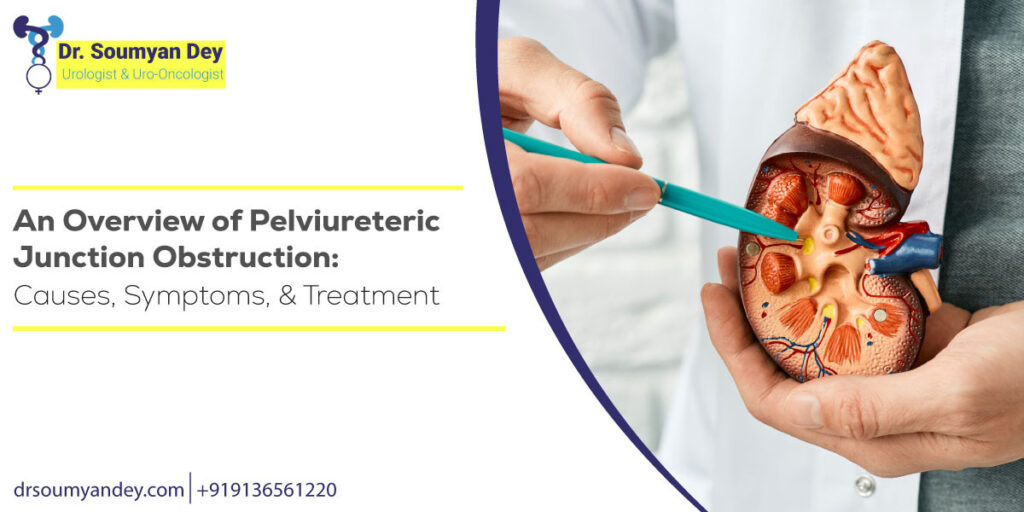
Ureteropelvic or Pelviureteric junction obstruction is a medical condition in which the upper part of the ureter, the tube that carries urine from the kidney to the bladder, gets blocked. The blockage results in increased fluid accumulation in your kidney, which can eventually cause kidney damage. A person can be born with this condition or develop it as they age. Either way, PUJ obstruction treatment in Navi Mumbai is required if you are diagnosed with such an obstruction, regardless of the cause. Causes of Pelviureteric Junction Obstruction The kidney carries urine to the bladder, which excretes it from your body. Each kidney is attached to a long (10-12 inches) tube, called a ureter. Ureteropelvic junction obstruction occurs when the area where the kidney and the ureter are attached gets obstructed, resulting in decreased flow of urine to the bladder or complete obstruction. The two common causes of PUJ are: Congenital: UPJ is called congenital if you are born with the disease. In congenital pelvic ureteric junction obstruction, your ureter is twisted, it has an additional tube that crosses the ureter and affects its function, or the ureter doesn’t function normally. Acquired: In some cases, the blockage can be acquired, i.e. with your age or certain medical conditions that affect the functioning of your kidneys and ureter. If it’s acquired, it’s most likely caused by either kidney stones or scar tissues that occur from surgery. A tumor, benign or malignant, can also cause PUJ obstruction, but that’s rare. Also Read: 10 Most Common Male Urinary Problems and How to Avoid Them Symptoms of Pelviureteric Junction Obstruction The doctor for PUJ obstruction in Navi Mumbai will discuss the symptoms before proceeding with tests. The symptoms can vary in infants and adults. Here’s what most patients experience: Pain in the back and upper abdomen, especially when you drink caffeinated beverages or liquid. The pain occurs because of the increased pressure from the accumulation of fluid. The pain can come and go, as the urine might pass through the ureter at times. PUJ obstruction can be diagnosed in unborn babies through ultrasounds. Since the blockage accumulates fluid in the kidneys, it can lead to swelling in the upper abdomen. After birth, you can see a lump in the abdomen. Children with congenital PUJ obstruction are likely to develop urinary tract infections. They might also experience slow growth and low weight. Treatment Options for Pelviureteric Junction Obstruction Fortunately, the pelvic ureteric junction obstruction can resolve on its own in most congenital cases. The doctors usually wait to see if the condition improves. During this period, they might recommend antibiotics to prevent the risk of UTIs. If it doesn’t get better and leads to severe abdominal pain with excessive swelling and worsening symptoms, surgery might be needed. Pyeloplasty is performed to reconstruct the damaged or obstructed ureter segment and its reattachment to improve the urine flow to the bladder. After the procedure, regular follow-up is necessary to test the kidney function.

Managing Urethral Stricture Dilation Side Effects_ Tips and Tricks for Recovery

Managing Urethral Stricture Dilation Side Effects: Tips and Tricks for Recovery

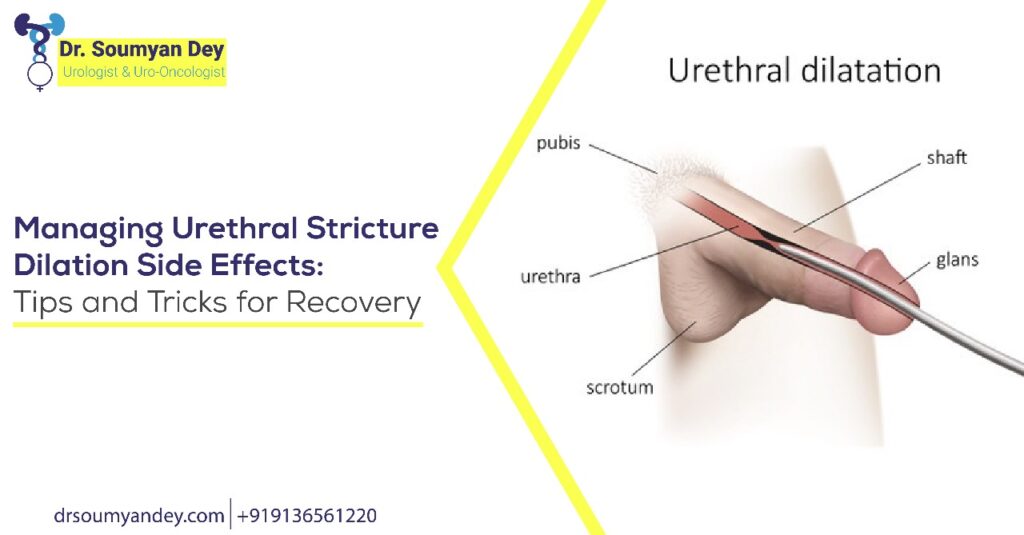
What is Urethral Stricture Dilation? Urethral stricture dilation is a medical procedure commonly used to treat urethral strictures, a condition where the urethra narrows, causing difficulty in urination. This procedure involves gently stretching the narrowed portion of the urethra using a dilator, helping to restore normal urine flow. While this technique has proven effective in many cases, patients may experience side effects during the recovery process. What are the Side Effects of Urethral Stricture Dilation? Urethral stricture dilation, like any medical intervention, may lead to various side effects. These can include pain or discomfort during urination, temporary blood in the urine, and mild swelling or soreness around the treated area. It is crucial to note that these side effects are typically temporary and should subside as the body heals. Six science-based methods bodybuilders use to lose belly fat d bol meet the veteran bodybuilder who used to face arnold schwarzenegger Dr. Soumyan Dey, a renowned Urethral structure specialist in Navi Mumbai, emphasizes the importance of understanding and managing these side effects for a smoother recovery process. Dr. Dey\’s Urocare is at the forefront of providing advanced and compassionate care for patients undergoing urethral stricture treatment in Navi Mumbai. Tips and Tricks for Managing Urethral Stricture Dilation Side Effects Hydration and Fluid Intake: Staying hydrated is crucial during the recovery period. Increased fluid intake helps flush out any residual blood or debris from the urinary system, promoting a quicker healing process. Water and unsweetened herbal teas are excellent choices. Bodybuilder’s suicide bid: HC grants interim protection from arrest to actor Sahil Khan oxandrolone for sale mike o\’hearn trains with bodybuilder aleksey mokshyn in a creative triceps workout | barbend Pain Management: Mild pain or discomfort is common after urethral stricture dilation. Over-the-counter pain relievers, as recommended by your healthcare provider, can help alleviate these symptoms. Applying a warm compress to the lower abdomen may also provide relief. Also Read: Understanding Urethral Stricture Disease Rest and Avoidance of Strain: Adequate rest is essential for the body to heal. Avoid strenuous activities that could put stress on the treated area. Gentle walks and light activities are preferable during the initial days of recovery. Follow Post-Procedure Instructions: Adhering to the post-procedure instructions provided by your healthcare provider is crucial. This may include avoiding certain foods, medications, or activities that could hinder the healing process. Regular Follow-up with Your Specialist: Schedule and attend follow-up appointments with your Urethral structure specialist in Navi Mumbai. Regular check-ups allow your doctor to monitor your progress, address any concerns, and make necessary adjustments to your recovery plan. Conclusion: How to Ensure a Smooth Recovery from Urethral Stricture Dilation Urethral stricture dilation, performed by experienced specialists is a well-established treatment for urethral strictures. While some side effects are inevitable, proactive management can significantly contribute to a smoother recovery. By following these tips and tricks, patients undergoing urethral stricture dilation can optimize their recovery experience. It is essential to prioritize self-care, stay informed, and maintain open communication with healthcare providers to address any concerns promptly. If you are seeking Urethral Stricture treatment in Navi Mumbai, consulting with a specialist like Dr. Soumyan Dey can provide personalized care and guidance throughout the recovery journey. Remember, a well-managed recovery ensures not only the resolution of the stricture but also the restoration of a healthy and comfortable urinary function.

10 Most Common Male Urinary Problems and How to Avoid Them

10 Most Common Male Urinary Problems and How to Avoid Them

Maintaining urinary health is vital for overall well-being, yet many men encounter common urinary problems that can impact their daily lives. Understanding these issues, their causes, and effective preventive measures is crucial for promoting a healthy urinary system. Here, you can learn about the ten most common urinary problems in males. What are the 10 Common Male Urinary Problems? Here are 10 common male urinary problems you must know and avoid: Characterized by the involuntary loss of urine, urinary incontinence can affect men. Benign Prostatic Hyperplasia is a common condition where the prostate gland enlarges, causing difficulties in urination, including a weak stream and frequent urination. Infections in the urinary tract can cause pain and an increased urge to urinate. Inflammation of the prostate is known as prostatitis. It can lead to pelvic pain, discomfort during urination, and sexual dysfunction. While primarily associated with sexual health, ED can also be linked to urinary problems, as both systems are interconnected. The formation of crystalline structures in the kidneys can cause severe pain during urination and may lead to blockages in the urinary tract. The ultimate cutting diet – devised by pro natural bodybuilder layne norton | simplyshredded.com clenbuterol australia bodybuilder dallas mccarver passes away at age 26 | barbend OAB is characterized by a sudden, uncontrollable urge to urinate. Blood in the urine is known as hematuria. Narrowing the urethra can cause difficulty in urination, a weakened stream, and increased urgency. Symptoms include blood in the urine, frequent urination, and pain during urination. Early detection is crucial for effective treatment. Also Read: What Size Of Kidney Stone Requires Surgery? Causes of Urinary Problems Urinary problems can stem from a variety of causes, including: Symptoms of Urinary Problems Recognizing the symptoms of urinary problems is essential for timely intervention. These may include: Diagnosis and Treatment of Urinary Problems Accurate diagnosis is crucial for effective treatment. Urologists use various diagnostic tools, including imaging studies, and more. Treatment options vary depending on the specific urinary problem. However, it may include medications, lifestyle modifications, and surgical interventions. How to Avoid Urinary Problems Follow these to avoid urinary problems in males: Conclusion Male urinary problems are common but manageable with the right knowledge, proactive lifestyle choices, and timely medical intervention. Dr. Soumyan Dey and his Urology Clinic in Navi Mumbai are dedicated to providing expert care empowering individuals to maintain a healthy urinary system throughout their lives. By understanding the common problems and adopting preventive measures, men can take charge of their urinary health and enjoy an improved quality of life.

Understanding Transurethral Resection of Bladder Tumor (TURBT)_ What to Know Before Treatment

Understanding Transurethral Resection of Bladder Tumor (TURBT): What to Know Before Treatment

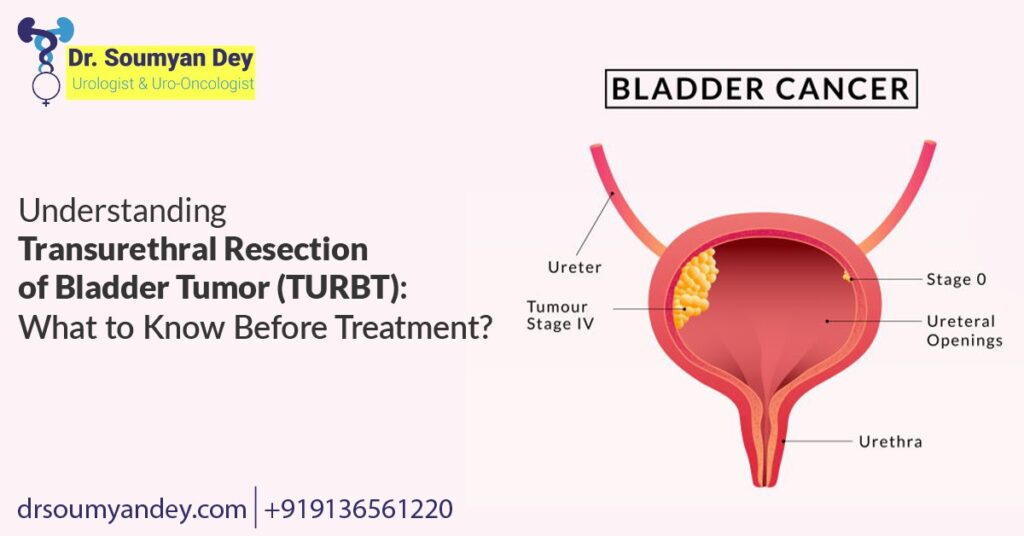
Bladder cancer is the most dangerous and life-threatening health condition, which quickly requires surgical procedures. There are various surgical procedures to quickly aid bladder cancer. However, transurethral resection of bladder tumors is the most effective surgical procedure, which helps to diagnose and treat bladder cancer quickly. So, if you are also looking for the best bladder cancer specialist in Navi Mumbai, you must consult with Dr Soumyan Dey to get the best treatment for bladder cancer. What is Transurethral Resection of Bladder Tumor (TURBT)? Transurethral resection of bladder tumor or TURBT is a noninvasive or minimally invasive surgery that effectively diagnoses the severity of bladder cancer, allows the best treatment, and prevents cancer from invading the muscle walls. It is the most common treatment plan for non-muscle-invasive bladder tumors or bladder cancer. TUBRT efficiently diagnoses early-stage cancer and helps in completely removing bladder tumors without any risk. This surgical procedure may include complete removal of the cancer and biopsy as it goes through the urethra. Moreover, transurethral resection of bladder tumors does not require incisions. What Are the Symptoms of Bladder Tumors? People with bladder cancer may experience various issues. However, some of the common symptoms of bladder tumors are: Also Read: Overactive Bladder Syndrome overview What is the Treatment Process for TURBT? Dr Soumyan Dey is a well-known urologist who offers the best bladder cancer treatment in Navi Mumbai. They offer a wide range of treatment plans and perform a physical exam and various tests to get the best diagnosis before consulting treatment. After a complete examination, the doctor may ask a patient to fast 6 to 8 hours before the surgical procedure and perform a PAC before surgery. During surgery, the doctor may insert a cystoscope through the urethra into the bladder so the surgeon can biopsy or remove suspicious tissue from the bladder lining. Then, they may rinse the bladder to remove the remaining blood and tissues. After removing the tumor from the bladder, the doctor offers treatment during the procedure, which helps reduce cancer recurrence. What to Expect After TURBT Treatment After transurethral resection of a bladder tumor, a patient may experience a burning sensation and pain while urinating. They may also sometimes witness blood in urine or bright red-colored urine for a few days after surgery. The doctor may prescribe different medications and antibiotics to prevent infections and reduce pain. However, a patient needs to take plenty of water, which helps in flushing out all the toxins from the bladder, and they also need to consider various precautions prescribed by the doctor. Tips for Recovering After TURBT Treatment After surgery, a patient needs to follow the directions to recover quickly. Conclusion Bladder cancer is hazardous and can influence an individual\’s overall health. However, the TURBT is the best treatment plant to remove bladder tumors and help keep the bladder healthy and safe after surgery.

What Size Of Kidney Stone Requires Surgery

What Size Of Kidney Stone Requires Surgery?

Kidney stone is one of the common issues that can occur in anyone regardless of gender or age. Calculus in the kidney is one of the most unbearable pain in the world. Sometimes, patients may need surgery to remove the stone from the kidney according to the size of the stone. However, it would be best to consult with Dr. Soumyan Dey if you want the best kidney stone treatment in Navi Mumbai. What is a Kidney Stone? Kidney stone is a common issue that may occur due to the excess minerals present in the body. Not taking enough water increases the amount of minerals like calcium, uric acid, and oxalate in the kidney and forms calculus or stone. It is a hard crystalline deposit, which can lead to various symptoms and complications. Kidney stones may be found in different colors, shapes, and sizes, ranging from a grain of salt size to a corn. Kidney stone is a very debilitating and painful condition, but sometimes small stones naturally pass through urination with the help of treatment. However, large stones can get stuck in the ureter and block the passage of urine, which causes bleeding and other complications. What Causes Kidney Stones? The development of kidney stones mainly occurs due to the high level of minerals in the urine. However, some of the possible causes of kidney stones are: Also Read: Natural Remedies for Kidney Stones: Here’s What May Help What are the Symptoms of Kidney Stones? Kidney stones can quickly form without any early signs and symptoms. However, people with kidney stones are most likely to suffer from the following symptoms: What Size of Kidney Stone Requires Surgery? Small kidney stones are painful, yet these can quickly be passed through urine with proper treatment. But large stones up to 5 millimeters are less likely to excrete from the body naturally. Thus, the best urologist may suggest a surgical procedure if kidney stones are larger than 5 millimeters. However, some small kidney stones also need surgery if they are stuck in the ureter and block the way of urine. What is the Treatment for Kidney Stones? If the size of the stone is small, then the doctor may suggest the best medication and conservative treatment so the stone can get out of the body. On the other hand, if the size and condition of kidney stones are complicated to pass from the body naturally, then the doctor may suggest surgical treatment. However, if you\’re looking for the best kidney stone specialist in Navi Mumbai, you can consult with Dr Soumyan Dey, who offers the best treatment plan for the patient\’s symptoms, conditions, and overall health. Conclusion Kidney stone is a very painful issue that can vary according to size. This condition may get worse if one leaves it untreated. However, getting the best consultation and quick treatment would be best to eliminate the need for surgery.

An Overview of Benign Prostatic Hyperplasia

An Overview of Benign Prostatic Hyperplasia

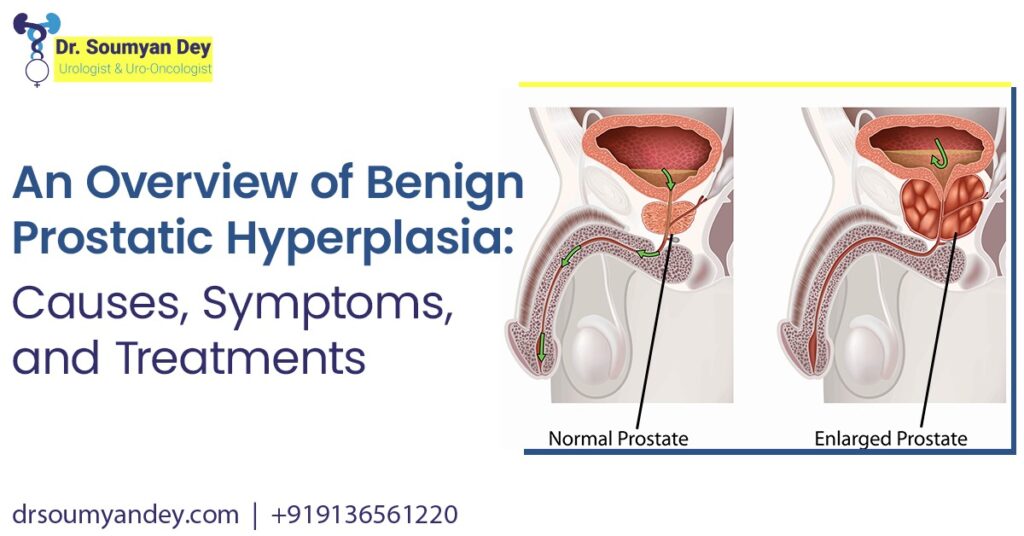
Benign Prostatic Hyperplasia is a medical condition in males where their prostate gets unusually enlarged as they age. The enlarged prostate can cause difficulty urinating or the frequent urge to urinate. It can also cause urinary and bladder problems in men. Fortunately, the BPH specialist in Navi Mumbai can help figure out the most suitable treatment for you. This may include medication, surgery, and a combination of both, depending on your age, prostate size, and other factors. What is Benign Prostatic Hyperplasia? The prostate sits right below your bladder and is responsible for producing semen. It’s a walnut size. However, if that grows, it might cause blockage around your urethra, making it harder to pass urine. Benign Prostatic Hyperplasia is not cancerous. However, it is associated with an increased risk of bladder and prostate cancer. Sometimes, patients might confuse the symptoms of prostate cancer with BPH. Causes of BPH One study shows that as men get older, the amount of testosterone their body produces declines significantly while the estrogen level remains unchanged. This hormonal change in your body can result in the prostate cells growing in size. However, that’s just one theory. The exact cause of BPH is not known. Symptoms of BPH Since the prostate is located beneath the bladder, it’s natural to have problems when urinating or passing ejaculation if you are diagnosed with BPH. Here are some common symptoms of BPH. Some uncommon symptoms of BPH include blood in urine and UTI. Also Read: A Comprehensive Guide to HoLEP Surgery Diagnosis of BPH Your urologist will ask about your medical history, the symptoms, and assess your risk factor. They will conduct a rectal examination to confirm the diagnosis. The doctor will carefully insert fingers into your rectum to feel the size, dimensions, and overall health of your prostate. They might also check for any hard growth, which could indicate cancer. If necessary, they might order a pee flow test to determine the pee stream, a test to know how much pee is left in the bladder after you are done urinating, and a cystoscopy. Treatment of BPH BPH treatment in Navi Mumbai includes medications for relaxing your prostate and alleviating your symptoms of urinary problems. Your healthcare provider might recommend medications to reduce the DHT production in your body, which stops prostate enlargement. It may take a month or two for your symptoms to improve after you have started medication. Surgical procedures, like widening your urethra to ensure proper urine flow or removing the prostate tissue manually, might be required to ease your symptoms. These are necessary if your enlarged prostate has blocked urine. TURP (Transurethral Resection of the Prostate) is the most common treatment for an enlarged prostate, but it might not be a good fit for older people (above 65 years). Prevention from BPH General lifestyle changes, like a healthy and balanced diet, regular exercising, and keeping your blood glucose and blood pressure in check, can help reduce the risk of an enlarged prostate. You can also take supplements but do not start them without your doctor’s prescription. Conclusion In conclusion, Benign Prostatic Hyperplasia (BPH) is a non-cancerous condition characterized by an enlarged prostate, primarily affecting aging males. While it can lead to urinary difficulties and discomfort, timely consultation with a BPH specialist in Navi Mumbai can provide effective treatment options, ranging from medications to surgical procedures. Understanding the symptoms, seeking a proper diagnosis, and adopting a healthy lifestyle can significantly contribute to managing and preventing the progression of this condition. Remember, it\’s crucial to consult with a urologist before making any significant changes to your treatment plan.

What to Expect After RIRS Surgery_ Common Side Effects and Recovery Tips

What to Expect After RIRS Surgery: Common Side Effects and Recovery Tips?

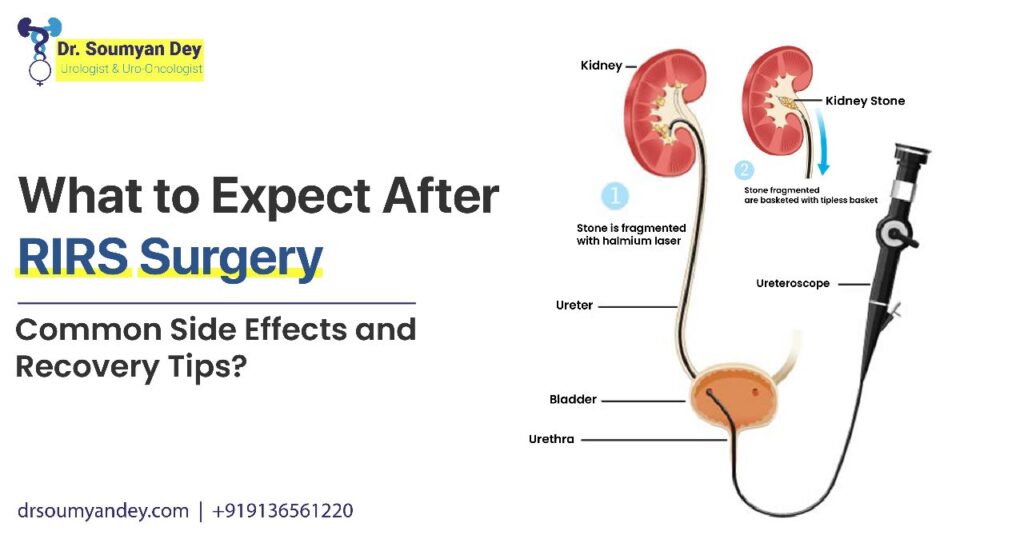
Retrograde Intrarenal Surgery or RIRS is a minimally invasive kidney stone removal procedure, in which a viewing tube, called a fiberoptic endoscope, is inserted into the ureter through the urethra. This tool is flexible enough to be bent and moved, allowing the RIRS surgery doctor in Navi Mumbai to move it into the ureter effortlessly. It’s a better and comparatively less invasive procedure than traditional kidney stone removal surgery. Keep reading to learn more about RIRS, when it’s performed, and some recovery tips. What is RIRS Surgery? RIRS is recommended for patients with kidney stones ranging from 10mm to 14mm in size. For those who experience recurring kidney stones or have huge stones that are too big to be removed with oral medication, the RIRS is an excellent choice. The endoscope gives a clear view of the urine-collection portion of the kidney and the number, as well as, the size of stones in it. The kidney stones are broken into tiny particles using the laser fiber, which is inserted into the ureter through the scope. Once done, these broken stone particles will be then removed through urine. The minimal risk of complications with no scarring and faster recovery make RIRS a suitable choice for those who don’t want to undergo traditional surgery. Since there’s no bleeding or the risk of harm to the surrounding organs, the recovery time for RIRS is relatively faster than the invasive kidney stone surgery. That said, it comes with a few risks you should discuss with your doctor. Also Read: Is Summer the Kidney Stone Season? Common Side Effects of RIRS Surgery RIRS doesn’t involve any incision, but the stent implantation through the urethra can cause mild discomfort post-procedure. Initially, you won’t feel anything due to the effect of local anesthesia, but once it wears off, you might experience pain or discomfort. To avoid pain while urinating, your healthcare provider will put a catheter, which is left for 24 hours. The side effects of RIRS surgery are less common and are seen in very few people after the operation. Here are a few of them: If you notice these symptoms post-surgery, visit the urology hospital in Navi Mumbai immediately. Tips for Recovering from RIRS Surgery You will be put in the monitoring room for the first few hours. Once the catheter is removed, you will get a discharge. You might notice blood in the urine and discomfort while sitting or walking. Avoid practicing any strenuous physical activity for the first few days and drink plenty of fluids. Eat a healthy and nutritious diet and avoid caffeinated beverages until you recover fully. Your doctor will prescribe antibiotics and painkillers to ease your symptoms. Conclusion Kidney stones that do not respond to lithotripsy and other non-invasive procedures might require an RIRS surgery, a minimally-invasive procedure, that removes the stones by breaking them into smaller pieces. These are then removed through urine. Complications from the procedure are less common, but it’s advisable to watch out for the signs of any unusual symptoms.

What You Need to Know About Radical Cystectomy with Ileal Conduit

What You Need to Know About Radical Cystectomy with Ileal Conduit?

Radical cystectomy is an effective way to remove the cancer-affected bladder from the body. After radical cystectomy, doctors construct a more straightforward way to store and exit urine from the body. Radical cystectomy is a surgical operation that is the best way to treat cancer. If you also want to consult with the best Urologist in Navi Mumbai, you must consider Dr. Soumyan Dey to get proper and best bladder treatment without hassle. Overview of Radical Cystectomy with Ileal Conduit The urologist removes the bladder due to cancer or other health conditions that cannot be treated with medication or other treatment. However, the new way to construct the way for urine to store and exit is known as an ileal conduit, so one can easily urinate without any hassle. What is an Ileal Conduit? An ileal conduit is the most effective way to create a space to store and exit urine from the body. A surgeon makes a new tube from a piece of the small intestine that offers the kidney to drain and urine to go through the stoma. The tubes that carry urine from the kidney to the bladder are attached to this tube so the urine can flow from the tube into the ileal conduit and then exit from the body through the stoma. Benefits and Risks of Radical Cystectomy with Ileal Conduit Radical cystectomy is very beneficial, yet it has some possible risks. However, here are the benefits and risks associated with radical cystectomy with ileal conduit. Some risks of radical cystectomy with ileal conduit are: Also Read: Types & Causes of Cancer Preparation for Radical Cystectomy with Ileal Conduit The best Hospital for Radical Cystectomy in Navi Mumbai allows a comprehensive treatment plan for the better care of patients. Doctors also focus on the preparation for the radical cystectomy so one can recover quickly. However, here are some points that one should follow before radical cystectomy. Recovery from Radical Cystectomy with Ileal Conduit The recovery time after radical cystectomy with ileal conduit may differ depending on a person\’s health and other conditions. However, it can be long, and one must adequately care for their health. Patients usually stay in doctors\’ observation for one week to 10 days after surgery, and it may take 6 to 8 weeks for a person to recover from the surgery completely. Complications of Radical Cystectomy with Ileal Conduit Some risk factors and complications one can experience after radical cystectomy with ileal conduit are: Conclusion Radical cystectomy is the best and life-saving way to remove cancer from the body. However, it would be best to consider the benefits, risks, and complications of radical cystectomy with ileal conduit to escape from undesirable situations. Thus, you must also consult the best doctor to get the right solution for your issues.

Symptoms of Kidney Cancer in Females

Symptoms of Kidney Cancer in Females

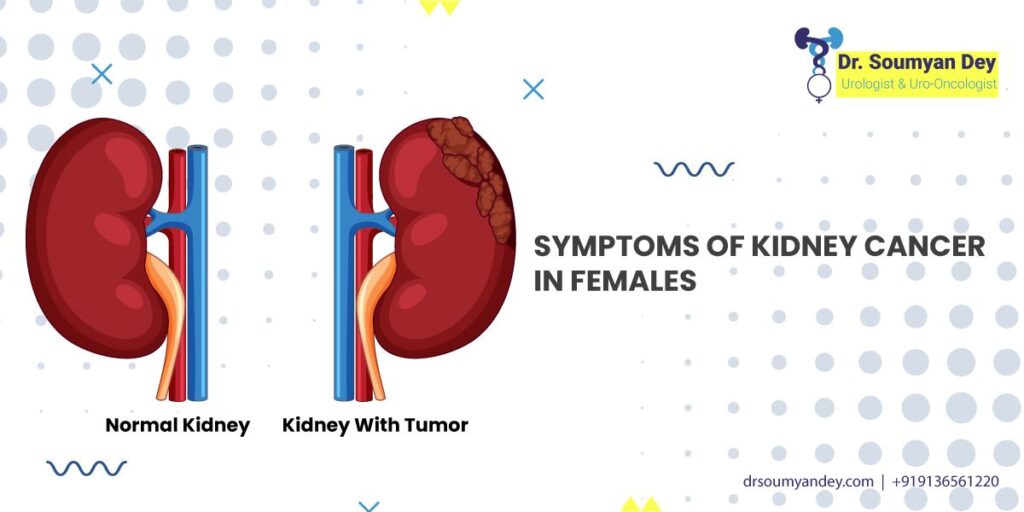
Kidney cancer occurs due to the unusual growth or multiplication of the cells in your kidneys. Like other cancers, the abnormal growth of cells in your kidney can form a tumor over time. What are the top treatments for kidney cancer? Diagnosis and Treatment Options Your urologist will check your medical history or family history to know your risk of developing kidney cancer. For the diagnosis, they might order a few tests, like urinalysis. It collects your urine sample to detect traces of the blood in your urine. The doctor might advise other tests, like blood tests, CT scans, MRIs, ultrasounds, and renal mass biopsies to detect abnormal growth of the kidney cells. Tips for Managing Kidney Cancer in Females

A Comprehensive Guide to HoLEP Surgery

A Comprehensive Guide to HoLEP Surgery

Holmium Laser Prostate is a non-invasive treatment for enlarged prostate. The benign prostatic hyperplasia (BPH) or enlarged prostate is a medical condition that develops in men as they age. It increases the frequency of urination or a sudden urge to pee. As your prostate grows in size, the excess tissue can obstruct your urine flow. HoLEP surgery treats that without involving any incision or invasive procedure. Keep reading to learn more about urologist in Vashi, Navi Mumbai will leave it in place and remove it a week later. You are advised to drink enough fluids after the catheter removal. Conclusion Developed in the 90s, HoLEP is a minimally invasive procedure that removes the bulky tissues, which block urine flow. The prostate is a small gland surrounding your urethra. This blocks the urine and sperm from flowing outside your body. HoLEP can treat BPH without any invasive procedure.

Scroll to Top
📞