Dr. Soumyan Dey - Dr.Dey
Dr. Soumyan Dey
Urologist & Uro-Oncologist

Dr.Dey

Author name: Dr. Soumyan Dey

How to diagnose Prostate Cancer

How is Prostate Cancer Diagnosed?

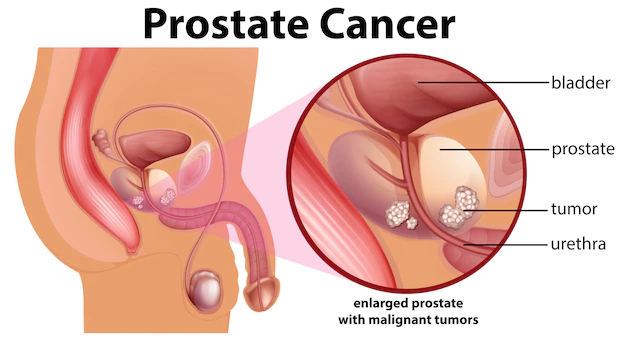
How is prostate cancer diagnosed? Prostate cancer is more common in men above 55 years. In fact, your risk of developing this cancer increases with your age. Researchers believe that your age, ethnicity, race, and family history affect your risk of developing prostate cancer. It is also believed that early diagnosis can help you determine a reliable treatment option. There is a good chance of your survival if the cancer is diagnosed before spreading outside the prostate gland.  However, most people get an accurate diagnosis when cancer has started spreading aggressively. That’s because it doesn’t show any symptoms in the early stage. Should you notice any signs that indicate prostate cancer, “Know the warning signs of Prostate Cancer” visit a urologist immediately. The doctor can suggest the best treatment for prostate cancer in the early stages so that you have a faster recovery and fewer complications. If you are wondering what tests the urologists will order to detect cancer, you have come to the right place. In this post, we will show you the most popular diagnosis methods for prostate cancer. Let’s take a look on the types of Prostate Cancer Test A Physical Exam and Your Medical History Family history is one of the factors for diagnosing prostate cancer. People with a family history of prostate cancer are more prone to developing cancer than others. When you see a urologist, they will ask about your symptoms, how long you have been experiencing them, and if you have a medical history of cancer.  Based on your symptoms, a Prostate Cancer Surgeon might insert a lubricated finger into your rectum to detect any unusual hardness or bumps that might indicate cancer. This is called the digital rectal exam. It helps the doctor know if the cancer is within your prostate or has spread beyond the prostate gland. They might also test other parts of your body. Based on the reports, they might order further tests to confirm whether you have prostate cancer. In most cases, prostate surgery is needed if the cancer is spreading aggressively. PSA (Prostate Specific Antigen) Blood Test For men with or without the symptoms of prostate cancer, a PSA test is recommended. It’s mostly the first test used to diagnose the onset of cancer. PSA refers to the protein found in the prostate gland. Although it is found in semen mainly, a small amount is also in your blood. Your urologist orders PSA to identify your risk of prostate cancer. The higher the PSA goes, the higher the chances you have cancer. It is measured in ng/ml.  There is no cutoff point for deciding whether a man has prostate cancer. Most urologists order further screening if the PSA is 4 or above. Others consider a PSA of 2.5 – 3 to be an alarming symptom. Note that the PSA above 10 means that the chances of the patient having prostate cancer are above 50%. That being said, not every man with prostate cancer has a PSA of 4 or above. So, further tests are needed for confirmation. Prostate Biopsy The above Prostate Cancer test give urologists a better idea of your risk of having prostate cancer. If the above reports show a strong sign of prostate cancer, your doctor will conduct a prostate biopsy, in which tissues from the prostate are used as samples to detect the presence of cancer cells in your prostate. This can be done through an MRI or TRUS (or a combination of both). In a biopsy, the doctor puts a needle through the rectum into your prostate. This needle takes small tissues from different parts of your prostate.  The needle is inserted several times so that the doctor can collect multiple tissues for an accurate diagnosis. The procedure might sound a bit intimidating and painful, but it causes minor discomfort. Your doctor will numb the area with local anesthesia before inserting the hollow needle. You can get the results in 1-3 days. If the results are positive, it means the cancer cells are found in your prostate and further screening is required to identify the stage of cancer. Imaging Tests for the Diagnosis of Prostate Cancer X-rays, ultrasound, and MRI are a few imaging tests that can detect the growth of cancerous tumors in your prostate. The doctor might use one or more tests to detect cancer and know if it has started spreading to the nearby organs. If the imaging tests show cancer, the doctor might test other parts of your body as well to identify the areas where cancer might have spread.  These were the Prostate Cancer tests used for the diagnosis of prostate cancer. Depending on the results, your urologist will recommend the best prostate cancer treatment. If you are looking for Best Prostate Cancer Test in Mumbai, Visit Dr Dey’s Urocare.

Overactive Bladder Syndrome

Overactive bladder syndrome

Overview of Overactive Bladder Syndrome An overactive bladder increases your urge to urinate. You might feel a frequent urge to urinate and chances are you will wake up several times at night to urinate. Some patients report incontinence (leakage), and others report frequent urination. These series of symptoms can negatively affect your quality of life.  Treatment for overactive bladder is available, but you may have to see a cystectomy surgery specialist in Mumbai if the symptoms persist or there’s a serious underlying problem. Here are the symptoms you must watch out for. Symptoms of Overactive Bladder Syndrome The Urgency to Urinate: Usually, people have the ability to control their urge to urinate, at least until they make it to the bathroom. That’s not the case with people suffering from overactive bladder syndrome. You feel the urgency to urinate and might experience leakage if you don’t get to the bathroom in time.  Frequent Urination: Your frequency to urinate increases when you have an overactive bladder. As a result, you will notice more frequent trips to the bathroom than usual. This doesn’t necessarily mean passing a large amount of urine every time you go to urinate, but you will have to visit the bathroom more often. Nocturia: Waking up once or twice at night is normal, but if you notice more frequent trips to the bathroom every night, it might indicate a serious problem. Nocturia refers to the state when you wake up several times at night to urinate, and not just on days when you had a lot of drinks, but every day.  Causes of Overactive bladder  There can be a single cause or a combination of issues that might lead to an overactive bladder. Pregnant women often experience the frequent urge to urinate or leakage when they laugh, cough, and sneeze. That’s because your pelvic muscles stretch during pregnancy. As a result, the bladder weakens and it comes out of its normal position.  A medical condition that affects your nervous system, such as Parkinson’s disease or a herniated disk, might cause urine incontinence. Excess caffeine and alcohol consumption is another common cause of an overactive bladder. Certain medications might also affect your brain functioning, which may send wrong signals to your bladder to empty (even when it’s not full). People suffering from obesity are also at a higher risk of getting an overactive bladder. Treatment for an Overactive Bladder – Can it Be Cured? Overactive bladder produces symptoms ranging from difficulty passing urine to frequent urge to urinate. You might have to wake up several times at night to urinate or report urgent incontinence (leakage of urine in small amounts). These symptoms have a negative impact on the quality of your life and can also lead to stress. People with an overactive bladder are highly likely to isolate themselves, avoid social events, and quit their jobs, as they feel embarrassed to pay frequent visits to the toilet.  Fortunately, many non-invasive treatment plans can help treat an overactive bladder. A few dietary changes, urine-holding techniques, and exercises to strengthen your pelvic muscle floors are a few easy and effective ways to treat an overactive bladder. When to See a doctor Adults often hesitate to talk about the symptoms of overactive bladder, but the problem is not uncommon. If you report the following symptoms, see a urologist immediately to figure out a suitable treatment plan. Waking up several times at night to urinate Inability to hold urine Leakage Urinate more than 8 times in 24 hours The doctor might recommend a treatment based on how frequently you need to urinate, your age, symptoms that co-exist with frequent urination, medications, etc. Behavioural Changes  Medication and exercises are prescribed in conjunction with behavioural changes to help you deal with the symptoms of an overactive bladder. Here are a few behavioural techniques that can help. Note Everything: It’s important to keep a log of your fluid intake, the number of times you went to urinate, if any accident occurred, what exactly triggered the accident, etc. For instance, did the leakage occur when you couldn’t make it to the bathroom in time, or were you sneezing or coughing? Pay Attention to Your Diet: Certain foods can worsen the symptoms of an overactive bladder, which is why it’s important to monitor your diet. Tea, chocolate, caffeinated beverages, spicy and acidic food, and alcohol are a few foods and drinks that might trigger the symptoms of an overactive bladder. Bowel Regularity: Constipation can put extreme pressure on your bladder, which may worsen the overactive bladder symptoms. If you are having trouble urinating or reporting frequent urination, you should keep healthy bowel habits. To prevent bladder issues, follow a healthy and balanced diet. Avoid foods that cause constipation. Keep a Healthy Weight: Obese and overweight people are at a higher risk of bladder problems. Your weight can put excess pressure on your bladder, which may lead to incontinence or frequent urination. Drink Non-irritating Liquid: A common misconception among people suffering from an overactive bladder is that drinking fewer liquids can reduce your trips to the bathroom. On the contrary, fewer liquids can cause yellow and concentrated urine, irritating your bladder and leading to frequent urination. We’ve listed above the fluids and foods that might worsen your urination symptoms, so avoid them as much as possible. You should also avoid the intake of any fluid starting 2-3 hours before going to sleep. Bladder Retraining Technique: Learning bladder retraining techniques can help you hold urine for a prolonged period without feeling discomfort. This doesn’t happen overnight. But practicing it consistently can make it easier to control your urge to urinate.  Medications The urologist will ask you to try behavioural techniques to control your urge to urinate, but if nothing works, they might recommend medication to ease your symptoms. These medications will help your bladder function normally. Never stimulation is another technique that has been shown to reduce the symptoms of an overactive bladder. It is your nerves that send a signal

Is Summer the Kidney Stone Season?

Is Summer the Kidney Stone Season? Here’s All You Need to Know With summer around the corner, people are planning vacations. Summer is all about beaches, mountains, and hill stations. However, the case is quite different for the doctors. With summer arriving, urologists start preparing for patients with kidney stones. It leaves people wondering how kidney stone is associated with warm weather.  There is no denying that kidney stones are linked to the hot season. This period seems to be getting longer, as global warming is increasing drastically. The climate change and rising temperature lead to dehydration, which worsens in summer. Sadly, the growing pollution level and the increasing carbon emissions have led to climate change.  While there is a connection between kidney stones and summer, it is not the only reason. Dehydration, for example, has been linked to a higher risk of kidney stones. But, the rising temperature is believed to increase the number of kidney stone patients. According to the National Kidney Foundation, around a half-million patients in America are admitted to hospital emergency units annually to treat kidney stones. This figure keeps increasing. Not only in the US, but we have seen a growing number of patients diagnosed with kidney stones in Europe and nearly all nations. In addition to adults, children are also prone to developing kidney stones. Formation of Kidney Stones Kidney stones are formed when the substances in your urine start to form solid crystals that circulate in your urinary tract. These crystal-like substances can block the way for your urine, which might make them painful. Kidney stones are solidly mass-produced of small pieces. There can be one or several stones found in your kidney. These stones are made up of calcium, phosphorus, and other chemicals.  Low urine volume is caused by dehydration. Concentrated urine occurs due to the low urine volume. It reduces your kidney’s ability to dissolve salts and other chemicals in the urine, increasing the risk of kidney stones. People who don’t drink enough fluids or live in places with hotter climates tend to suffer from dehydration. Practising strenuous physical exercises might also cause dehydration. The common sign of low urine volume and dehydration is dark urine. Obesity is another risk factor. Obese people report a fluctuation in the acid level, which eventually results in the formation of stones.  You must drink enough fluids, especially if you experience warm weather throughout the year. Your diet also matters a lot when it comes to urinary health. People diagnosed with stones or urinary tract infections are asked to avoid protein-rich diets. You should avoid eating beef, pork and meat. That’s because these foods produce uric acid that forms kidney stones. Certain medicines, especially ones with a high vitamin C, make you highly vulnerable to Kidney stones. Other than that, kidney stones can be formed due to genetic disorders. What Can You Do to Prevent Kidney Stones? Drink more fluids. That’s the first and more important step in preventing kidney stones. You should drink at least 8-10 glasses of water a day and more if you live in a tropical and subtropical climate.  2. Add more citric acid to your diet. You can drink lemonade or plain lime water in the morning to get extra citric acid. Certain foods, like chocolate, tea, nuts, and beets, are not healthy for your kidneys, especially for people with kidney stones. Calcium and phosphate should be avoided. Limit your salt intake. Avoid soft drinks.  3. Kidney stones need immediate treatment. Tiny stones can pass through your urine. But if these stones are left untreated, they might grow into large pieces. Make sure you drink plenty of fluids this summer and pay special attention to your diet. If you experience pain or notice any sign of kidney stones, visit a nearest best Oncologist  immediately. 

Food to protect Prostate Health

Super-Foods that make or break your Prostate Health

What you eat, and when you eat; your lifestyle can increase or reduce the risk of developing prostate cancer. Although there has been a lot of research about the role that nutrition plays in keeping your prostate healthy, but we have compiled a simple list of super foods that you may consume in your daily diet which may be affecting your prostate health as we speak. Healthcare experts believe, that a healthy and nutritious diet is important to prevent any sorts of prostate problems. Ironically, some foods that you consume that are good for your overall health, may still be threatening your prostate without you noticing. Similarly, some diets you may want to avoid can still keep your prostate healthy. As a general rule, a prostate-friendly diet consists of plenty of colorful vegetables, fruits, animal-based protein in moderate amounts, low sugar, and processed carbs. Foods to Avoid with Enlarged Prostate  Red Meat  Eating too much red meat or well-cooked meat increases your risk of prostate cancer. That’s because processed meat and red meat contain a high concentration of HCAs (heterocyclic amines), a compound that is shown to have carcinogens. Beef, pork, sausage, and hot dog are a few red and processed meat items that can cause prostate cancer. You must switch red meat with foods rich in protein instead. Dairy This research shows that drinking a considerable amount of whole milk can speed up prostate cancer progression. If you can’t avoid dairy altogether, try to limit it as much as possible. Full-fat cheese, yogurt, ice cream, and whole milk are a few dairy products that can harm your prostate.  Alcohol You should try to avoid alcohol for your overall health. But, scientists and healthcare experts believe that people relying too much on alcohol are more likely to develop prostate cancer than moderate drinkers or those who don’t drink alcohol.  Saturated Fats We need more research to know the effect of saturated foods on your risk of developing prostate cancer. However, some studies show that these foods put you at a higher risk of cancer. As a rule of thumb, it is best to avoid saturated food, as it creates more space for fiber and other essential nutrients. Best Foods for Prostate health Green Leafy Vegetables Green vegetables are good for people with all health conditions. It’s your go-to food for people with weight management goals. Cabbage, cauliflower, kale, and sprouts are a few green vegetables that are quite beneficial for your prostate.  These veggies contain antioxidants, vitamins, and many minerals that keep you and your prostate healthy. Not only does it reduce the risk of inflammation, but some of these vegetables can prevent the growth of cancer cells. Fish Scientists and Urologists believe that inflammation inside your prostate gland can lead to the growth of cancerous cells. In fact, these cells are likely to spread rapidly due to an existing inflammation. That’s why healthcare specialists primarily focus on reducing inflammation within the prostate. Fish is one of the few animal-based foods that promote your prostate health. Salmon, trout, and sardines provide your body with good fats that reduce inflammation.  Tomatoes Tomatoes are rich in Lycopene, an antioxidant element that plays a key role in keeping your prostate healthy. Although the effects of lycopene on prostate cancer are unknown, lycopene is beneficial for your overall prostate health. If you want your body to absorb lycopene quickly, consider taking tomatoes with olive oil.  Coffee and Tea Green tea contains catechins, an antioxidant that prevents the cells from multiplying. Green tea is also anti-carcinogenic, which means it prevents the growth of cancerous cells. Coffee can also reduce the risk of developing prostate cancer. However, you shouldn’t drink sugary tea and coffee. Avoid pre-sweetened lattes or beverages containing cream. Replace these drinks with green tea, instead.  These were only to name a few. There’s more research needed to understand the role of your diet on the prostate and which foods can reduce your risk of prostate diseases. As a rule of thumb, foods rich in essential vitamins and minerals can keep your prostate healthy.  Dr. Soumyan Dey, the Prostate Cancer Surgeon in Mumbai, specializes in diagnosing and treating Prostate Cancer, prostate enlargement, urinary tract stones, and other urological cancers. First, the doctor recommends digital rectal examination and blood tests to identify the chances of prostate cancer. Then, they perform prostate biopsy and MRI to get a clear picture of the prostate glands and the stage of cancer. If you are going through these problems, must see a best Urologist Doctor.

Prostate Cancer treatment in India

Know the Warning Signs of Prostate Cancer

What is Prostate Cancer? The prostate is a walnut-shaped organ and is one of the important organs of the male reproductive system. Despite being small, a prostate gland can cause significant problems. Prostate cancer, for example, has become quite prevalent in men. If detected at an early stage, the survival chances of people diagnosed with prostate cancer are quite high. Unfortunately, prostate cancer develops rapidly and is left undetected until it spreads to the surrounding tissues and vital organs. Here are a few early warning signs of Prostate Cancer Stage1, you must watch out for. Abnormal Urine Flow with Blood A common sign of prostate cancer is a change in the urine flow. It might happen due to many reasons, but if you notice a sudden change in the urine flow, get it checked by a urologist. The flow is too weak and slow. People with prostate cancer also experience difficulty urinating. Blood in the urine is also a common problem in people with prostate cancer, although it doesn’t necessarily indicate cancer. Blood in urine, also called hematuria, might be a sign of kidney stones or a urinary tract infection. Read our article on Blood in Urine – What does it mean called Hematuria; How it is detected, Causes and possible treatments available.  Frequent Urination  A malignant tumor in your prostate puts extreme pressure on your bladder. As a result, you might need a frequent urge to urinate. If you notice frequent visits to the bathroom, more now than ever, visit a urologist immediately.  Problems in Ejaculation People who have prostate cancer are highly likely to have problems with ejaculation. You might face difficulty in keeping an erection, or you may notice a lesser volume of ejaculation. Some patients also report blood in semen. Then again, these symptoms can indicate other health problems. But, it is best to get the issue checked by a professional urologist on time. Pain in the Legs, Hips, and Lower Back Most patients diagnosed with prostate cancer experience pain and numbness in their lower back, hips, and legs after diagnosis. Mostly, pain in the back has become so prevalent that nobody associates it with prostate cancer. However, if you are experiencing constant pain in these areas and it doesn’t seem to get better with painkillers and other medications, schedule an appointment with a Best urologist by searching “Best Urologist near me”. Prostate cancer doesn’t produce any severe symptoms at an early stage. It’s only until later that you notice abnormalities in urination and ejaculation. One way to get an early diagnosis is by considering regular prostate screening. Dr. Soumyan Dey, the Prostate Cancer Surgeon in Mumbai, specializes in diagnosing and treating Prostate Cancer, prostate enlargement, urinary tract stones, and other urological cancers. First, the doctor recommends digital rectal examination and blood tests to identify the chances of prostate cancer. Then, they perform prostate biopsy and MRI to get a clear picture of the prostate glands and the stage of cancer. If you are going through these problems, must see a best Urologist Doctor. Dr Soumyan Dey is a best Uro Oncologist doctor in Mumbai, till now treated 1000’s of patients. Book an appointment with us by call or through email. Don’t ignore these signs and symptoms, it may lead Prostate Cancer.

Blood In Urine : Best Urologist Thane, Mumbai

Blood In Urine(Hematuria): What Does it Mean?

The visible or invisible blood in your urine is also known as hematuria. Though it isn’t normal, it is not necessarily a big cause of concern either. Your doctor will run a series of tests, mainly screening and a urine test to detect the root cause of the issue.  In hematuria, the color of the urine might change from yellow to red, dark red, brownish red, tea color, and pink. However, the changes in the color of your urine could indicate other minor issues. For example, it can be simply due to your diet, stress, and a pre-existing medical condition. You must contact a doctor immediately if you notice dark red spots of blood in your urine.  Is It Really Blood? The changes in urine color do not mean there’s blood in your urine. The color of your urine could change due to certain foods, medical conditions, and drugs. Foods like rhubarb or beetroot can change your urine color. It is also common in people who are on certain drugs. Some medical conditions could cause the hemoglobin to be released in your urine, causing the visible spots of blood in it. It is usually the excess hemoglobin in your body that’s released through the urine. Similarly, there can be other factors or medical conditions that might change your urine color and make it appear reddish-brown or discolored. Plus, vaginal bleeding in females during menstruation could be the reason for blood in your urine. Hemorrhoids are another common cause of hematuria. Types of Hematuria – Microscopic Hematuria There is a possibility that you may have hematuria, which isn’t visible to the naked eye. This is called microscopic hematuria. Only a professional practitioner can detect the spots of blood in your urine through microscopic evaluation. Now that you can’t notice any visible blood in your urine, it goes without saying that the symptoms of such hematuria often go unnoticed, and they are mostly detected during a regular health screening process. – Gross Hematuria In gross hematuria, the blood in urine is clearly visible. The patient can see the changes in the color of their urine. Patients with this medical condition have pink, red, and brownish urine. One of the common misconceptions of hematuria is that if the blood appears only once and disappears after that, it is normal. Contrary to popular beliefs, you should get the symptoms checked with a urologist for further evaluation.  Note: The patient might notice the drops of blood or blood clots in gross hematuria. What is Normal? Only a urologist can tell you whether hematuria is normal or not. They perform microscopic screening to identify the count of red blood cells in your urine. It is considered normal if the count of RBCs is below 3 per high power field. If the microscopic screening detects more RBCs in your urine, a further medical evaluation will be required. The following can be the causes of abnormal results: How is Hematuria Detected? On spotting blood in your urine, visit Dr. Soumyan Dey, the top urologist in Thane, Navi Mumbai, India for diagnosis. The doctor will ask you to send a sample of your urine for lab tests. Cytology is the most common test for hematuria. The doctor checks the sample of your urine under a microscope to know if it’s really blood. They also note the count of red blood cells. If the reports look abnormal, the doctor might order a CT scan that will help detect stones, tumors, and other possible causes of hematuria. An ultrasound is also used for getting a clear image of the kidneys. Causes of Hematuria Only the lab test can detect the root cause of hematuria. So, the sooner you approach a urologist and get your issue diagnosed, the faster and better the treatment plan will be. Note that hematuria can be painful or painless.  Painless hematuria: Sometimes, you spot the drops of blood in urine without any symptoms of pain. Painless hematuria can indicate a tumor or a more serious issue, such as prostate cancer. You may not notice the symptoms of cancer or a tumor until it reaches the advanced stage, which is why it is important that you approach a doctor immediately should you spot blood in your urine or changes in the urine color. Treatment Plan for Blood in Urine The condition is treated by treating the root cause. For instance, 

Scroll to Top
📞