Dr.Dey

Author name: Dr. Soumyan Dey

prostate cancer symptoms in males

Prostate Cancer Symptoms in Males

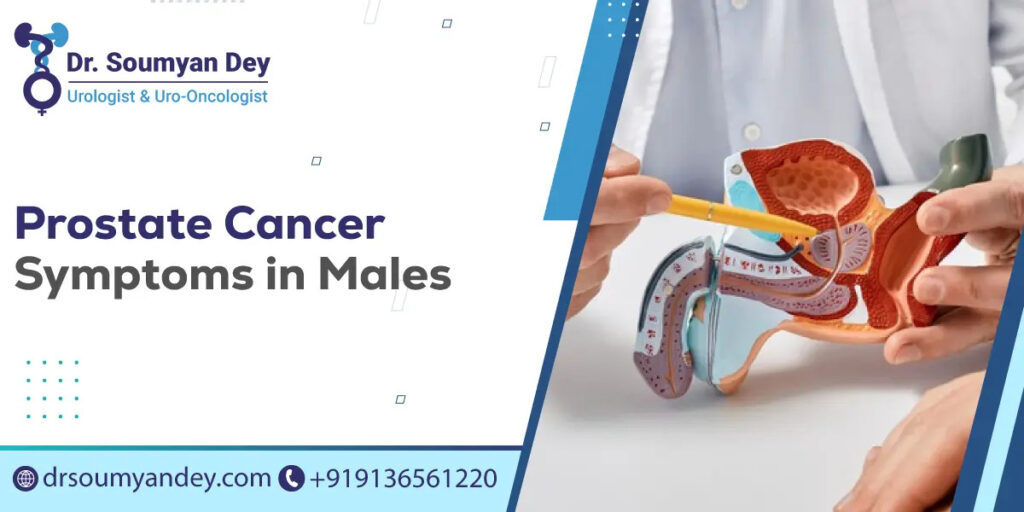
Prostate cancer is one of the most frequent and damaging diseases among the male population. The treatment of prostate cancer will have much more chances of getting better with early diagnosed and detected cases. This article investigated the significance of knowing the symptoms and risk factors of prostate cancer. This type of approach stresses the importance of regular screening tests, which should be started at the appropriate age. For instance, routine medical consultations from a Cancer Specialist in Navi Mumbai can lead to detection of prostate cancer at a much earlier stage and hence treatment becomes more successful and easier. Common Prostate Cancer Symptoms One of the most typical symptoms of prostate cancer in young men is urinary dysfunction. The difficulty of starting or stopping the flow of urine, dribbling urine after finishing the urination or straining to pass urine are among the serious signs of prostate cancer and urinary issues like prostate cancer. Furthermore, many men also report erectile dysfunction or difficulties in getting an erection. Others might have blood in their urine or semen which is an indication of an urgency to be seen by Prostate Cancer Specialists immediately in Navi Mumbai. The presence of bone discomfort, particularly of the back, hips and shoulders, can sometimes be indicative of the spread of prostate cancer to other body organs. Risk Factors for Prostate Cancer Age is a direct risk factor—maximum prostate cancers are found after 65. In addition to the genetic facts, men with a father or brother who had an advanced stage of prostate cancer have higher odds of it. In comparison with other races and ethnic groups, African-American males suffer more from prostate cancer. Another of the many research findings is that excessive weight or obesity increases the risk (of some cancers) with the fat cells producing hormonal changes which facilitate the progression of cancer. A Prostate Cancer Treatment in Navi Mumbai can predict the severity levels depending on the factors mentioned above. Also Read: How is Prostate Cancer Diagnosed? Importance of Regular Check-ups and Screening One of the most typical symptoms of prostate cancer in young men is urinary dysfunction. The difficulty of starting or stopping the flow of urine, dribbling urine after finishing the urination or straining to pass urine are among the serious signs of prostate cancer and urinary issues like prostate cancer. Furthermore, many men also report erectile dysfunction or difficulties in making an erection. Others might have blood in their urine or semen which is an indication of an urgency to be seen by Prostate Cancer Specialist in Navi Mumbai. The presence of bone discomfort, particularly of the back, hips and shoulders, can sometimes be indicative of the spread of prostate cancer to other body organs. Treatment Options for Prostate Cancer Surgical resection of prostate cancer which is the most common source of organ confined prostate cancer is the radical prostatectomy. Radiotherapy gives high-energy rays accurately aimed at cancer cells in an attempt at cancer cell destruction. This may be external beam radiation therapy or internal implants of radiation. Targeted therapy with hormone therapy, which aims to cut down testosterone, the prostate cancer cells need to grow, through drugs, is employed in the advanced stages or with recurrence. Chemo, however, uses strong medicine to kill fast-growing cancer cells, and this treatment is almost always administered for metastatic cancers. The Specialist in Cancer, however, considers the severity, risk categories as well as individual factors with care to give the best possible outcomes. Conclusion Creating awareness about common signs and risk factors for prostate cancer is crucial for early detection and better prognosis. By making regular checkups part of male healthcare from the recommended age with a Prostate Cancer Specialist in Navi Mumbai, men can catch any issues in the initial stages and greatly increase their chances of successful treatment at a Prostate Cancer Treatment in Navi Mumbai. While lifestyle changes like diet, exercise and weight management may help prevent prostate cancer, appropriate timely screening is key to a patient getting optimal medical care for this condition.

Symptoms of Stage 1 Kidney Cancer

Symptoms of Stage 1 Kidney Cancer

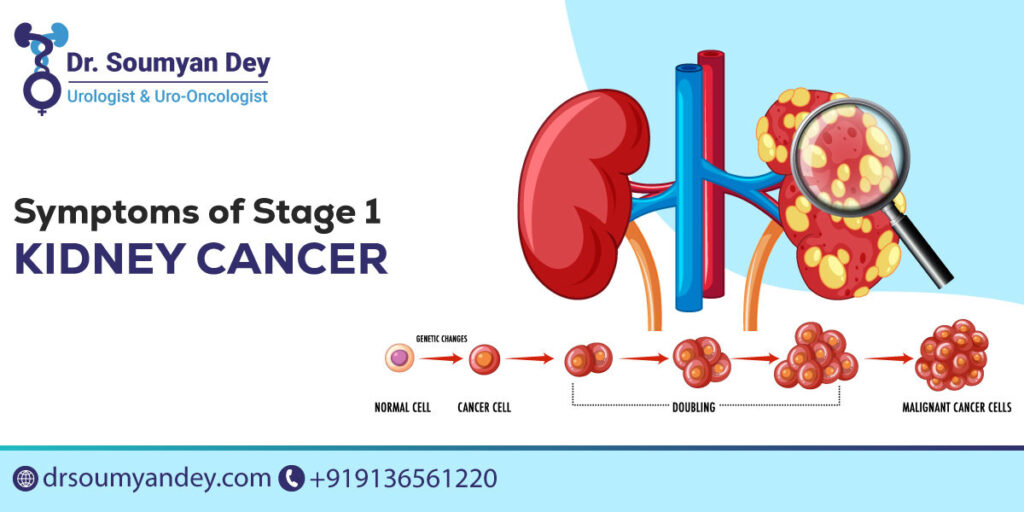
I. Introduction Kidney cancer arises when the cells in the kidney outgrow and develop tumors. Just like every other cancer, kidney cancer also has several levels and stages, with each having its diverse indications and treatments. Kidney cancer is a grave condition that disturbs thousands of people annually; thus, the treatment of kidney cancer is compulsory. You can get your Kidney Cancer Treatment in Navi Mumbai. II. Understanding Stage 1 Kidney Cancer Stage 1 kidney cancer is initial; this is distinct by the manifestation of a minute tumor that is on the kidney and has not yet spread to further organs and nodes. Some early-stage signs comprise damage to appetite, weight loss that is not instigated by dieting, and fever that does not go away. III. Physical Symptoms Physical symptoms of stage 1 cancer include: a) Pain or discomfort in the side or lower back: In the early stage of kidney cancer, people may face tenacious discomfort and uneasiness in the side or lower back, which wouldn’t be calmed even with OTC medicines. b) Blood in urine: Extra universal symptom is the incidence of blood in urine, which is also known by the name hematuria. The color of blood in urine might appear red or often pink or cola-coloured. c) Unexplained weight loss: Unpredicted loss of weight without any change in diet is also an indicator of stage 1 kidney cancer. Also Read: Symptoms of Kidney Cancer in Females d) Fatigue or persistent tiredness: Another significant symptom to look out for is constantly feeling tired. In this, the drowsiness won’t go away even after resting. Try contacting Dr. Soumyan Dey to know more about the early symptoms of stage 1 kidney cancer. IV. Non-Physical Symptoms On the other hand, patients may face non-physical stage 1 kidney stone symptoms. These symptoms include psychological changes such as anxiety and depression. Further, the fear of the unknown and uncertainty of the future can also be due to stage 1 kidney symptoms. V. Importance of Early Detection The early identification of every medical condition is good for better future outcomes without too many problems. Seeking medical attention often can make a lot of difference in the treatment. Consult a doctor like Dr. Soumyan Dey. For cases like kidney stones, early detection makes it easier for doctors to provide effective and efficient treatment with a much greater success rate to the patient, and it also makes it easier for the patient to receive better aid and fewer chances of severe surgical interventions and aggressive treatments as the possibility of treating stage 1 kidney cancer is a lot more than in later stages. VI. Conclusion The most general and noticeable Stage 1 kidney cancer symptoms consist of uneasiness and pain in the side or the lower back; further blood in urine is also noticeable. Early identification plays a crucial role in future treatment outcomes. Therefore, it is essential to be concerned and conscious about the knowledge and symptoms of stage 1 kidney cancer. With that said, seek medical help from a Kidney Cancer Surgeon in Navi Mumbai if you face any problem relating to kidney cancer; they offer expert treatments that increase the possibility of success.

how to remove stone from ureter

How to Remove Stone from Ureter?

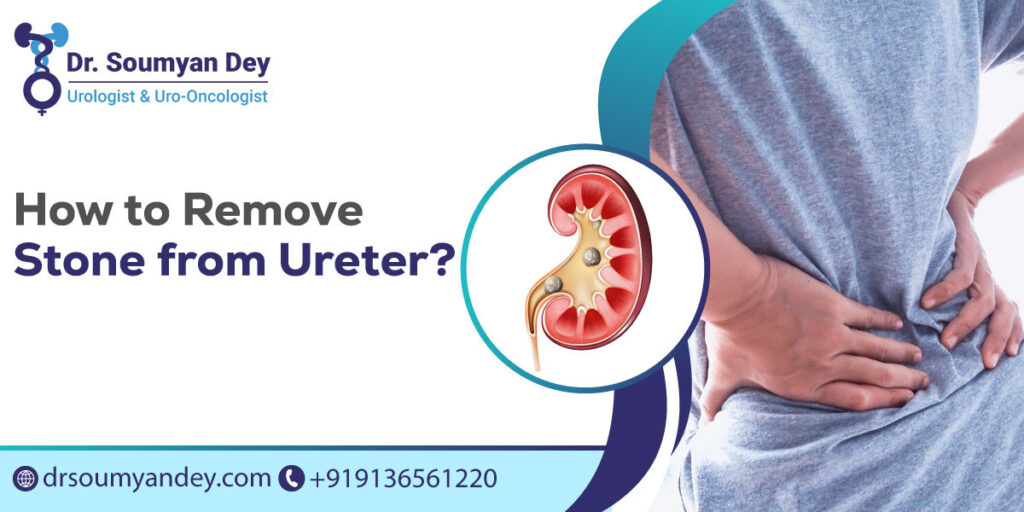
I. Introduction A ureter stone is a crystallize fragment that develops inside the ureter. Dr. Soumyan Dey treats people with ureter stones. The occurrence of these transparent stones can lead to severe discomfort and restlessness. The normal symptoms of ureter stones comprise strong back or abdominal pain, nausea and occasionally blood in the urine. II. Diagnosis The diagnosis for ureter stones consists of several diagnosis tests, physical examination, and some imaging tests like X-rays, CT scans and ultrasounds used to foresee the stone’s size and location. In some cases urine tests may be taken to see the signs for infections or blood in urine that can also be due to ureter stone. III. Treatment Options There are two ways to treat ureter stones: 1. Non-Surgical Interventions: The size of their ureter stones is small, and they are most expected to be treated on their own. Hence, non-surgical treatment is suggested for individuals who do not have a grave condition. This suggests the use of medications like NSAIDs and alpha blockers to ease the ureter muscles and the stone passage to go through. Drinking water in great amounts can help in blooming out the minor stones.  2. Surgical Procedures: Surgical involvements are essential, and it is a must if the size of the ureter stone is big, as it leads to solid pain and other difficulties like urinary region infections or kidney damage. Ureteric Stone Removal Surgeon in Navi Mumbai offers people a good and painless surgery. Also Read: What Size Of Kidney Stone Requires Surgery? The surgical interventions typically include two procedures: a) Ureteroscopy: Under this procedure, a thin, flexible scope is injected into the ureter to picture and eradicate the stone using special equipment directly. b) Lithotripsy: This involves the use of shock waves to break down the stone into tiny remains to make it easier to pass or remove from the body by using different means. IV. Recovery and Prevention Post-treatment Care and Potential Complications It is recommended that the patient follow the guidelines and instructions after the ureter stone removal, which include the following: Tips for Preventing Future Ureter Stone Formation V. Conclusion Ureter stones can lead to a lot of uneasiness and pain, but they can be treated with the right treatment. Consult Dr. Soumyan Dey for queries or treatment for ureter stones. Nevertheless, make a habit of drinking more water and eating a balanced diet. Doing these will reduce the chances of ureter stones to a great extent.

Navigating Life After Hypospadias Surgery_ Everything You Need to Know

Navigating Life After Hypospadias Surgery: Everything You Need to Know

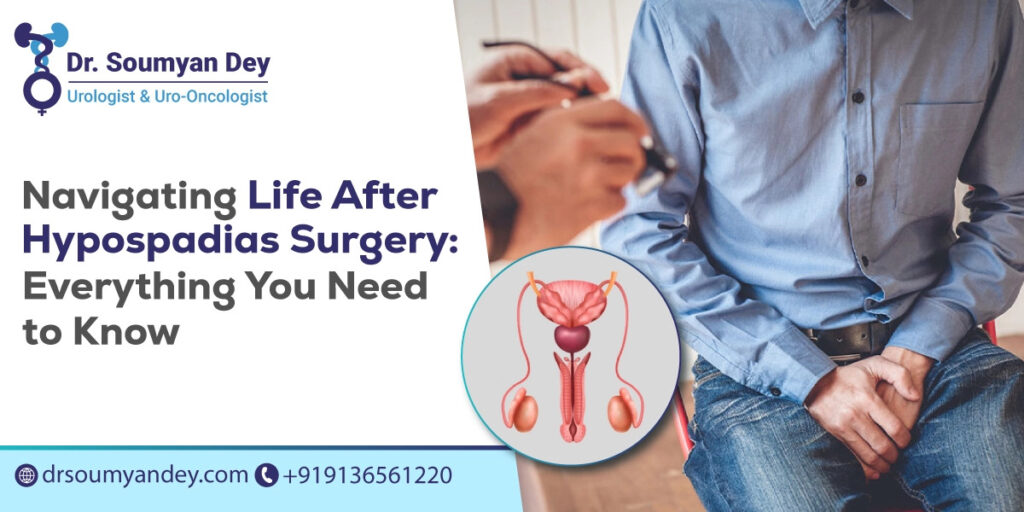
Hypospadias is a condition in which the baby’s urethral opening doesn’t develop correctly. It’s a birth defect that makes it difficult for the baby to pee or have normal sexual function later in their life. Urethra, the thin tube that carries urine and sperm out of the male’s body, is located right at the top of the penis. However, in babies born with hypospadias, the urethral opening could be located elsewhere, i.e., at the scrotum or the shaft. These babies can undergo hypospadias surgery in Navi Mumbai to correct the urethral deformity. The Recovery Process: What to Expect and How to Cope Hypospadias repair surgery involves two procedures—straightening the penis and relocating the urethra to the normal position. The surgery is performed under anesthesia, so your child won’t feel any pain during the operation, but discomfort can occur after surgery. The Hypospadias surgeon in Navi Mumbai will prescribe antibiotics to reduce the risk of infection at the incision site and painkillers to relieve discomfort and pain. Depending on your child’s age and the severity of the defect, recovery can take up to six weeks or longer. Your baby will pee in the catheter for a few days following the surgery. Post-Surgery Care: Tips for Proper Healing and Scar Management Once the surgery is performed, the surgeon will stitch the incision site and cover the catheter with a bandage. They will also monitor your child’s vitals. Usually, children undergoing Hypospadias surgery can go home the same day. You will get detailed instructions on how to bathe your child, check the incision site for infection, and keep the bandage clean. Note that every child is different, and their bodies might take longer or shorter than usual to heal. You can expect them to sleep more frequently after the surgery. In the first 1-2 weeks after surgery, you might notice swelling and bruising around the incision, but that should go away with time. Lifestyle Changes: Impact on Sexual Functioning and Intimacy The goal of Hypospadias surgery is to ensure your child’s penis gets into the right shape and they are able to pee normally. The procedure also aims to provide a normal sexual life for your baby. They can get and keep an erection like normal people when they get older. Note that the surgery doesn’t affect the child’s sexual function. If anything, it only improves their ability to ejaculate, maintain an erection, and perform sexual intercourse. Seeking Professional Help: When to Consult a Specialist Hypospadias surgery is considered safe generally, but if you notice any of the below symptoms post-surgery, contact your healthcare provider immediately. Your doctor will tell you about the follow-up requirements based on the complications of the surgery and your child’s condition. They will monitor the healing of the incision. The catheter will be removed in a few days or up to two weeks after surgery.

How to Sleep with a Kidney Stent

How to Sleep with a Kidney Stent?

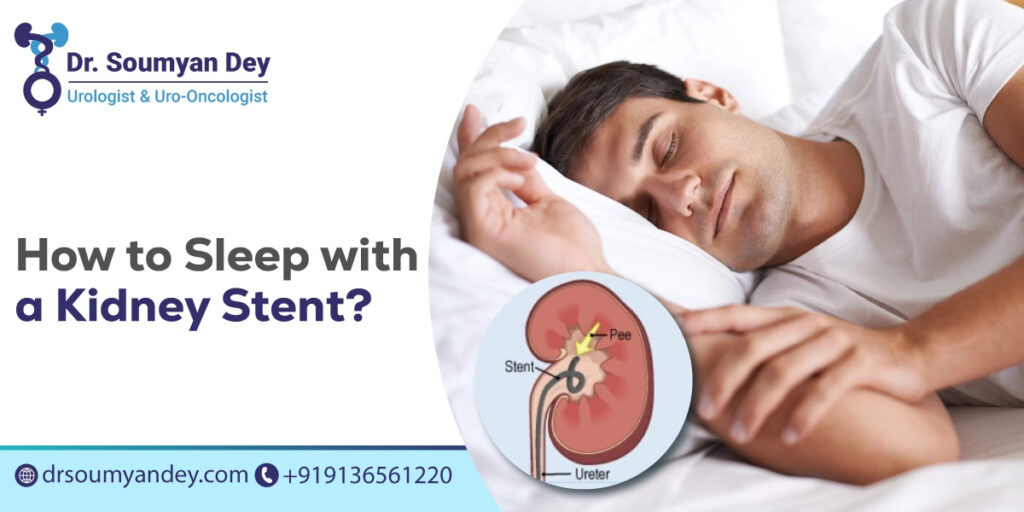
Kidney stents can cause a lot of discomfort when you are sleeping. These stents are thin tubes that connect your kidneys to the bladder to drain urine easily. The procedure is common after kidney stone removal or after your doctor has cleared the obstruction in your ureter. Although the stents are temporary and won’t be visible outside, living with them can be challenging. Let’s check out some hacks recommended by urologists in Navi Mumbai to get a good night’s sleep with kidney stents. What is a Kidney Stent? Kidney stents are commonly used before and after kidney stone removal surgery. If the size of these stones obstructs urine flow to your urethra, the doctor will implant a stent to remove the blockage. Likewise, these are used after kidney stone removal surgery to help the ureter heal. How to Sleep with a Kidney Stent? Stents are not as painful as stones or obstructions in your ureter, but they cause discomfort when you sleep. Your ureteral stent placement surgeon in Navi Mumbai will go over the instructions for finding a comfortable sleeping position with the stent. Here’s what might help. Positioning Yourself for Sleep There’s no specific sleeping position that can reduce the discomfort, but patients who have had stents believe that sleeping on the opposite side of the stent placement can help a lot. This isn’t the same for everyone, though. Managing Pain and Discomfort Over-the-counter painkillers are quite effective in reducing the pain and discomfort associated with stent placement. Aspirin and ibuprofen are your best options. However, it’s important to check with your doctor before starting pain-relieving medications, as some are blood thinners, which might increase the risk of bleeding. Also Read: The Benefits of a Stent for Kidney Stone Treatment Following After-Care Instructions Your urologist might recommend a few important tips for taking care of the stent, as well as adjusting your sleeping and other routine habits after stent placement. Here’s how to take care of it: Tips for a Better Night\’s Sleep with a Kidney Stent The stent could be perfectly placed, but the fear of the stent causing discomfort might make it difficult for some patients to fall asleep. Here’s what might help. 1) Maintaining a Comfortable Sleep Environment: To get a good night\’s sleep, remove all distractions and create a comfortable and cozy sleep environment. 2) Practicing Good Sleep Hygiene: Avoid drinking water right before bedtime, as it might cause the urge to urinate frequently at night. Also, empty your bladder so you don’t have to wake up every few hours to pee. 3) Managing Stress and Anxiety: Yoga and meditation are great ways to relax your body and mind. To manage stress, try incorporating 15-20 minutes of light exercises into your nighttime routine. Conclusion Kidney stents can be uncomfortable, but these help heal your ureter and ensure proper urine flow to your bladder. If sleeping position and nighttime hygiene do not work, consider taking pain-relieving medication to reduce discomfort.

Understanding the Survival Rate of Prostate Cancer

Understanding the Survival Rate of Prostate Cancer

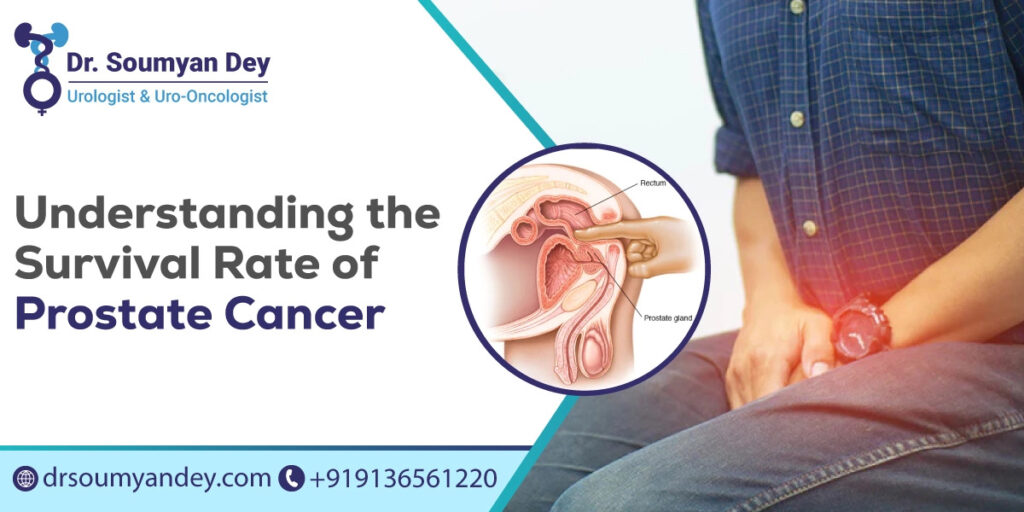
Prostate cancer, affecting one in eight men throughout their lifetime, can understandably raise an array of questions and concerns. While navigating diagnosis and treatment options, understanding your survival rate becomes crucial to informed decision-making. This blog delves into the factors influencing prostate cancer survival rates, empowers you with knowledge, and highlights the expertise of Dr. Soumyan Dey, a renowned Prostate Cancer Specialist in Navi Mumbai. Factors Influencing Prostate Cancer Survival Rate Several factors influence your individual prostate cancer survival rate. Let\’s explore some key players: i) Age: Younger men often exhibit better prognoses due to a more robust immune system and potentially slower cancer progression. ii) Stage: The extent of cancer spread significantly impacts survival. Localized cancers confined to the prostate offer higher survival rates compared to advanced stages with regional or distant spread. iii) Grade: This indicates the aggressiveness of cancer cells, with lower grades signifying slower growth and higher survival rates. iv) Gleason score: This system combines grade information from two tumour areas, providing a more nuanced picture of aggressiveness and influencing survival estimates. Treatment Options and Their Impact on Survival Rate The prostate, a male reproductive gland, can develop cancerous cells, leading to prostate cancer. While varying aggressiveness, early detection and personalized treatment are key to optimizing outcomes. Prostate Cancer Treatment in Navi Mumbai, each with varying impacts on survival rates, include: a) Active Surveillance: For low-risk prostate cancer, the doctor may recommend active surveillance. It involves closely monitoring the cancer with regular check-ups and only initiating treatment if the cancer shows signs of progression. Active surveillance can offer excellent long-term survival rates while avoiding unnecessary treatment side effects. Also Read: Know When to Get Prostate Surgery Done? b) Surgery: Surgical removal of the prostate gland, known as radical prostatectomy, is a common treatment for localized prostate cancer. Surgery can provide excellent survival rates, particularly for patients with early-stage disease. c) Radiation Therapy: Radiation therapy uses high-energy rays to kill cancer cells. It can be delivered externally or internally (brachytherapy). Radiation therapy is often used as a primary treatment for localized prostate cancer or as adjuvant therapy following surgery. d) Hormone Therapy: Hormone therapy, also known as androgen deprivation therapy, aims to reduce the levels of male hormones (androgens) in the body, which can fuel the growth of prostate cancer. Hormone therapy is commonly used in combination with other treatments and can improve survival rates, particularly in advanced or metastatic prostate cancer. e) Chemotherapy: The doctor may recommend chemotherapy for advanced or metastatic prostate cancer that has stopped responding to hormone therapy. While chemotherapy can help extend survival and improve quality of life, its effectiveness may vary depending on individual factors. Conclusion Understanding the survival rate of prostate cancer is essential for making informed decisions about treatment options and managing expectations. In Navi Mumbai, individuals diagnosed with prostate cancer can benefit from the expertise of specialists like Dr. Soumyan Dey, who offer personalized treatment plans to optimize survival outcomes. By considering factors such as age, stage, and treatment options, patients can navigate their prostate cancer journey with confidence and hope for the best possible outcome.

Side Effects After PCNL Surgery

Side Effects After PCNL Surgery

1. Introduction PCNL or Percutaneous Nephrolithotomy surgery is a minimally invasive procedure used to remove kidney stones. In Navi Mumbai, Dr. Soumyan Dey specializes in this surgery, providing advanced treatment for kidney stone patients. While PCNL Surgery in Navi Mumbai is generally safe and effective, it can be associated with certain side effects and potential complications. Understanding these aspects is crucial for patients undergoing this procedure. 2. Understanding PCNL Surgery PCNL involves creating a small incision in your back and using a nephroscope (a thin viewing instrument) to directly access and remove kidney stones. It\’s a viable option for larger or inaccessible stones through other methods. 3. Common Side Effects of PCNL Surgery While generally safe, PCNL surgery can lead to certain side effects: a) Pain and Discomfort: You may experience flank pain radiating from your back to your lower abdomen. It is typically managed with prescribed pain medication, but over-the-counter options might be needed later. Burning sensation during urination is common due to irritation and swelling. Drinking plenty of fluids and pain medication can help alleviate this. b) Bleeding and Blood Loss: Minor bleeding from the incision or in your urine is normal for the first 24-48 hours. The urine might appear pink or reddish but should gradually clear. However, excessive bleeding (bright red, large clots) requires immediate medical attention. Notify your Doctor for Kidney Stone Treatment in Navi Mumbai promptly to prevent complications. c) Infection: Antibiotic prophylaxis is typically administered before and after surgery to minimize the risk of infection. However, there\’s still a small chance of developing an infection, especially if you experience: d. Urinary Retention: Temporary difficulty passing urine is a common postoperative occurrence due to swelling or blood clots in the urinary tract. It usually resolves within a few days. Also Read: What Size Of Kidney Stone Requires Surgery? 4. Potential Complications After PCNL Surgery Though uncommon, certain complications can arise: i) Urinary Tract Infections: Despite preventive measures, urinary tract infections can occur post-surgery. Prompt treatment with antibiotics is essential to prevent complications. ii) Kidney Stones: Recurrence of kidney stones is possible even after successful removal through PCNL surgery. Patients are advised to follow dietary and lifestyle modifications to reduce the risk. iii) Injury to Surrounding Organs or Tissues: Rarely, PCNL surgery may result in injury to nearby organs or tissues, leading to complications that require further intervention. 5. Managing Side Effects After PCNL Surgery While managing side effects after PCNL, remember: A) Pain Management: Prescribed pain medication helps manage initial discomfort. Ice packs applied over the incision site provide localized relief. B) Preventing Infection: Meticulous hygiene around the incision site is crucial. Drink ample fluids to flush out bacteria and toxins. C) Treatment for Urinary Retention Address urinary retention promptly with catheterization if needed. It ensures proper bladder emptying until normal urinary function resumes. 6. Conclusion Understanding the potential side effects of PCNL surgery empowers you to make informed decisions and manage your recovery effectively. Consulting a qualified urologist like Dr. Soumyan Dey in Navi Mumbai ensures you receive the best care and guidance throughout your treatment journey.

Best Treatment of Urethral Stricture

Best Treatment of Urethral Stricture

Urethra is a tube that carries urine outside the body, in both men and women. This narrow tube can get blocked, inflamed, or damaged, making it difficult to pass urine. The technical term for the issue is “urethral stricture”. This can happen suddenly or the condition might develop gradually. Urethral stricture is often painful, as it slows the urine stream and makes it painful to pass it. You must see a urologist in Navi Mumbai immediately if you have developed sudden inflammation, swelling, and pain in the urethra along with other symptoms of urethral stricture. Treatment Options for Urethral Stricture Treatment for urethral stricture depends on the severity of the condition, the patient’s health, the size, and the symptoms. Here are some common treatment options: 1) Urethral Dilatation If it’s a small and less severe stricture, dilatation can help. The procedure involves enlarging your urethra with a wire and dilators. It’s a minimally invasive procedure and the best choice for those with small strictures. 2) Urethrotomy Urethrotomy involves a cystoscope, a thin tube through which a medical instrument is put into the urethra to clear the blockage. After the blockage is cleared, your healthcare provider will put a catheter in place for a few days. You might notice blood in the urine for some time, but that’s normal with most urinary tract procedures. The only downside to this treatment is the possibility of the stricture returning. Also Read: Understanding Urethral Stricture Disease 3) Urethral Reconstruction or Urethroplasty If the above procedure fails, urethroplasty is recommended. It’s an open surgical procedure that removes the blocked tissues in your urethra, which are then reconstructed and the area is stitched. The surgeon might reconstruct your urethra using the skin from your lips, cheeks, or penis (in males). Urethroplasty is the most advanced urethral stricture treatment in Navi Mumbai, as the risk of the stricture returning is quite low after a complete urethral reconstruction. 4) Stent Implantation People diagnosed with a severe urethral stricture can also consider stent implantation. Patients who are not in a state to undergo surgical reconstruction surgery can opt for stent implantation. In this procedure, a stent is placed permanently into the urethra to keep it wide open. Considerations and Risks for Urethral Structure Procedures Any procedure on your urinary tract, whether surgical or minimally invasive, carries risk. Dilatation is an outpatient procedure and doesn’t involve any serious complications. The only risk in the procedure is the recurrence of the stricture. Urethrotomy is another safe procedure with minimal risk of scarring and infection, but like dilatation, there’s a risk of the condition recurring. An implanted stent and catheter that’s left inserted into the urethra for a long period increases the risk of bladder irritation, UTI, discomfort, pain, and other complications. You must follow up with your healthcare provider regularly to get the stent checked. Conclusion Urethral stricture generates positive results in most cases, but there’s a risk it might recur again, especially if you choose dilatation. Talk to your surgeon to discuss the benefits, risks, and recovery period of each procedure.

Understanding Nephrectomy Surgery_ What You Need to Know

Understanding Nephrectomy Surgery: What You Need to Know

Nephrectomy is a kidney removal procedure. The nephrectomy surgeon in Navi Mumbai can remove a part of your kidney or the entire one, depending on the kidney disease you are diagnosed with. Bilateral nephrectomy refers to the surgical removal of both kidneys. This surgery is a life-saving medical procedure for patients diagnosed with benign kidney tumors or cancerous ones. Your surgeon might also remove part of the ureter and your hormonal gland, located right on top of the kidneys. Here’s all you should know about nephrectomy, its types, and treatment. Types of Nephrectomy Surgery Nephrectomy is categorized into two types: i) Partial: A portion of your kidney is removed either laparoscopically or in open surgery. This involved the removal of the diseased part of your kidney, leaving the rest of it intact. ii) Radical: If the entire kidney is affected by cancer or any disease that can be life-threatening for the patient, the surgeon might perform a radical nephrectomy, i,e, the entire removal of the kidney along with a part of the ureter and the affected areas. The doctor might perform surgery based on the level of kidney damage. For instance, the nearby tissues and hormonal glands might need to be removed if the cancer cells have spread to these parts. What Happens During Nephrectomy? Nephrectomy involves either an open surgery or a laparoscopic procedure, in which, the surgeon makes several small incisions on your abdomen to reach your kidney. A modern technique to perform this surgery is through robot-assisted technology. The surgeon handles the robotic arm using the console and makes precise cuts on your sides to get an accurate view of your internal organs. If it’s performed laparoscopically, the surgeon inserts a small camera along with the surgical tools to remove the diseased part or the entire kidney. They view your organs on the monitor. Open surgery involves one large cut on your abdomen. The surgeon removes the kidney and closes the incision. Also Read: Survival Rates for Kidney Cancer Risks and Complications of Nephrectomy Surgery Nephrectomy comes with its share of risks, like any surgical procedure. Some long-term complications of this procedure include hypertension and high protein content in urine due to the lack of two functional kidneys. Patients can also experience: In rare cases, nephrectomy can result in kidney failure. Recovery Time for Nephrectomy Surgery Nephrectomy kidney removal doctors in Navi Mumbai advise you to stay in the hospital for 2-3 days to monitor your vital organs. You can perform light activities, like walking, within a week or two following the surgery. But avoid any heavy lifting or hectic activity that might put pressure on the incision site. It takes at least six weeks or longer to recover from a nephrectomy. After your recovery, your surgeon will call you for a follow-up. They will check the function of your other kidney to ensure it’s healthy. Conclusion See your doctor to know whether or not you are a good candidate for nephrectomy. You might be advised to undergo a laparoscopic procedure to ensure faster recovery and fewer complications.

The Benefits of a Stent for Kidney Stone Treatment

The Benefits of a Stent for Kidney Stone Treatment

Kidney stones can be an excruciating experience, causing intense pain and discomfort. In kidney stone treatment, one significant tool that urologists often deploy is a stent. This article will explore a stent, its advantages in kidney stone treatment, the stent insertion procedure, potential risks, recovery processes, and the importance of aftercare. 1. What is a Stent and Why is it Used for Kidney Stone Treatment? A stent is a slender, flexible tube typically made of medical-grade plastic or metal mesh. In the context of kidney stone treatment, a ureteral stent is employed. This stent is inserted into the ureter, the tube that connects the kidney to the bladder. Dr. Soumyan Dey, a distinguished Ureteral Stent Placement Surgeon in Navi Mumbai, often recommends this procedure for kidney stone treatment. 2. What are the Advantages of Using a Stent for Kidney Stone Treatment? 3. How is the Stent Insertion Procedure Done? A skilled urologist typically performs the procedure for inserting a ureteral stent. During the procedure: Also Read: What Size Of Kidney Stone Requires Surgery? 4. Potential Risks and Complications Associated with a Stent While stents are generally safe, some potential risks and complications may include: 5. Recovery Process and Guidelines for Aftercare Following stent insertion: i) Activity Restrictions: Patients may be advised to limit physical activities briefly. ii) Hydration: Staying well-hydrated is crucial to prevent complications and promote healing. iii) Medication: Prescribed medications may be given to manage pain or prevent infection. iv) Follow-up: Regular follow-up appointments with the urologist are essential to monitor progress. 6. Conclusion Using a stent under the expertise of professionals like Dr. Soumyan Dey offers significant advantages in kidney stone treatment. The benefits are substantial, from pain relief to facilitating healing and preventing complications. While the procedure involves risks, proper aftercare and monitoring contribute to a successful recovery. For those navigating the challenges of kidney stones, including a stent can be crucial in the journey toward renewed urinary health. If you seek reliable Ureteral Stent Placement and Kidney Stone Treatment in Navi Mumbai, consulting with experts like Dr. Soumyan Dey is a prudent step toward comprehensive care and effective resolution.

Scroll to Top