Dr. Soumyan Dey - Dr.Dey
Dr. Soumyan Dey
Urologist & Uro-Oncologist

Dr.Dey

Author name: Dr. Soumyan Dey

Causes of UTI in Male

10 Causes of UTI in Males

It might be less common, but men can get urinary tract infections, too. A man’s urinary system consists of the kidneys, bladder, ureters, and urethra. Urine passes from your kidneys to the bladder through the ureters. It travels down the bladder to the penis through urethra. UTI occurs when any part of the male’s urinary tract gets infected with bad bacteria.  It’s important to seek UTI treatment in Navi Mumbai if you experience a burning sensation while urinating, frequent urination, pain below the abdomen, blood in the urine, and other symptoms. Top 10 causes of UTIs in males 1. Poor hygiene Bad bacteria can enter your urethra and travel to the bladder and kidneys if you don’t follow basic hygiene practices. Simple tips like washing the genitals with clean water after using the washroom or having sexual intercourse can prevent bacteria from reaching the urethra. 2. Enlarged Prostate (BPH) An enlarged prostate is common in older men. If you have an enlarged prostate, your bladder might not empty fully after passing urine, thus creating a perfect place for the bacteria to thrive. 3. Kidney Stones Kidney stones can also block urine flow, causing immense pain and resulting in excess urine in the bladder. This makes your bladder a breeding ground for bacteria. 4. Catheter Use A catheter helps empty the bladder. It’s used in men who can’t urinate on their own because of a medical condition. Having a catheter for a long duration can increase your risk of UTI, specifically if it’s not kept clean. 5. Unprotected Sex Unprotected sex not only exposes you to sexually transmitted infections, but it can also cause UTIs in men. Bacteria E. coli, which are found in human feces, can reach the urethra during intercourse and might travel up the urinary tract, causing an infection. The risk is particularly higher for men who have anal sex. 6. Diabetes Men with type 1 or type 2 diabetes have a heightened risk of catching UTIs due to a weakened immune system.  7. Dehydration Dehydration can make your urine concentrate. This means fewer visits to the washroom, which may eventually make you more vulnerable to UTIs. 8. Weakened Immunity Men with weakened immunity, whether due to a chronic illness or other medical reasons, might also get UTIs easily. Weakened immune system makes your body less effective in fighting off bacteria. 9. Bladder issues Neurogenic bladder, structural bladder deformities, or medications that can negatively interfere with your bladder function can make you more vulnerable to UTIs. If your bladder malfunctions, it won’t be able to expel pee properly, creating a perfect environment for bacterial growth. 10. Past infections Men with a history of UTIs might get it again, specifically those who haven’t addressed the underlying cause of the infection. Prevention Tips A urologist in Navi Mumbai recommends these preventive strategies to mitigate your risk of getting urinary tract infections. Talk to a urologist to learn more about preventive strategies for urinary infections.

Symptoms of Stage 1 Prostate Cancer

Symptoms of Stage 1 Prostate Cancer

The prostate gland, an essential part of the male reproductive system, is responsible for making fluid that’s ejaculated with semen through the penis. The abnormal growth of the cells in your prostate can result in a tumor. The question is, what are the symptoms of stage 1 prostate cancer, and when should you see a prostate cancer specialist in Navi Mumbai? In this post, we’ve listed the common early signs of prostate cancer that every male, particularly those above 50, should be aware of. Understanding Stage 1 Prostate Cancer Stage 1 prostate cancer is localized to your prostate, meaning it doesn’t spread beyond the prostate. Early detection makes treatment more favorable for the patient, as cancer at the first stage is usually confined to the prostate. The tumor is more minor, slow-growing, and highly treatable at this stage. Prostate cancer, like other cancers, does not show any noticeable symptoms at the first stage. It can be diagnosed during your routine healthcare checkup, but symptoms-wise, there’s nothing very unusual that may encourage you to visit a urologist. That said, some men do experience changes in their prostate health. Although they don’t certainly mean you have cancer, it’s best to consult a doctor if you notice these signs. Common Symptoms of Prostate Cancer Here’s what can indicate prostate cancer: 1) Changes in Your Urination Pattern: You might experience many urination issues, like difficulty starting the flow, frequent urination, weak urine flow, pain or a burning sensation while urinating, and hematuria. Since the prostate surrounds the urethra, a cancer in the prostate can affect your urination pattern. However, these changes are mostly noticeable when the tumor has grown in size and spread to the surrounding tissues and lymph nodes. 2) Pelvic Pain: Although it’s usually associated with an advanced stage of prostate cancer, pelvic pain can occur in patients with prostate inflammation or BPH (prostate enlargement) in the first stage. Pelvic pain that remains persistent and occurs with blood in the urine, frequent urination, and other unusual symptoms need to be evaluated by a healthcare professional. Other Warning Signs Symptoms of prostate cancer at the early stage are often related to the changes in urination pattern, but a few other cancer signs that are often confused with other prostate-related issues include: Importance of Regular Check-ups Routine screening is the most crucial step for older men who are at increased risk of prostate cancer. A digital rectal exam (DRE), for instance, can help your doctor identify any unusual lumps or prostate enlargement at an early stage. Prostate-Specific Antigen (PSA) test is another common way to detect cancer. PSA is a protein produced by a healthy and cancerous prostate. Elevated levels of this prostate can indicate cancer, although the high levels are also linked to benign conditions, like prostatitis and benign prostatic hyperplasia (BPH). Based on your results, your doctor will tell you whether you need to go for prostate cancer treatment in Navi Mumbai.

Symptoms of Urinary Bladder Stone

Symptoms of Urinary Bladder Stone

Bladder stones are hard deposits made up of the minerals found in your urine. They are more common in those above 50, although people of any age group can develop bladder stones. Your bladder is responsible for holding your urine, which contains many substances. These can, sometimes, stick together to form a mass (called a stone). In this post, we’ll take a look at the symptoms of urinary bladder stones and the signs you should see a uro-surgeon in Navi Mumbai for medical intervention. Let’s get started. Common Symptoms of Urinary Bladder Stone Urinary bladder stones may not cause any symptoms if they are extremely tiny in size. They may pass automatically through urination, and the patient might not know they’ve had them, but that happens very rarely. In most cases, the stones can cause a vast range of symptoms. Here are the most common ones: a) Pain in the Lower Abdomen: You might feel persistent pain in your lower abdomen, which can be dull or sharp. It can get intense when you urinate. The pain often occurs when the stone moves around inside the bladder. b) Pain While Urinating and Changes in its Frequency: People describe it as a sharp, burning sensation when they pee. This happens because the stones irritate your bladder\’s lining, making it difficult to empty. It may also cause an urge to urinate frequently, sometimes even right after you\’ve just used the bathroom. c) Changes in Urine Color and Odor: People with bladder stones report cloudy and dark-colored urine. The stones can irritate the bladder’s wall, which may lead to blood stains in the urine. This is called hematuria. If you notice pink or red urine coupled with other symptoms, it’s best to get evaluated by a urologist. Changes in the urine can also point to other health issues. It can simply be the food you’ve eaten or a more serious cause. Less Common Symptoms of Urinary Bladder Stone i) Changes in the Urination Flow: Maintaining a proper urination flow can be challenging if you have bladder stones. As they move around, they might obstruct the urethra and then unblock it, which can suddenly start or abruptly stop urination. ii) Incontinence: In an advanced case where the stone has gotten bigger, it can cause urine leakage. The stone might press against the bladder lining and result in incontinence. iii) Urinary Tract Infections: If you experience frequent Urinary Tract Infections (UTIs), bladder stones might be a contributing factor. These stones create a viable environment for bacteria to grow and multiply, causing multiple episodes of UTIs. Symptoms include fever, chills, pain while urinating, and hematuria. When to Seek Medical Attention The symptoms of bladder stones are often confused with UTIs and other urinary issues. It’s important to see a urologist for bladder stone treatment in Navi Mumbai if the pain gets worse or the other symptoms persist. Get to the doctor immediately if you notice blood in the urine, cloudy urine, and fever. This could indicate an infection. Treatment options include cystolitholapaxy, a minimally invasive way to remove the stone by breaking it into small pieces, which are flushed out through special devices. Larger ones require surgical removal.

What is the Most Common Cause of Blood in Urine

What is the Most Common Cause of Blood in Urine?

Drops of blood in the urine or a pinkish urine can be daunting. But blood in the urine, also called hematuria, can be harmless. Don’t panic. It can be a side-effect of a medication or simply a food you’ve eaten that may change the urine color. Menstruating women can see blood in the urine during periods. That said, this medical condition can also indicate a serious illness. It’s best to see a hematuria treatment doctor in Navi Mumbai to rule out any underlying condition. In the meantime, let’s explore some common causes of hematuria. Common Causes of Blood in Urine 1) Urinary Tract Infections (UTIs): It occurs when bacteria enter your bladder through the urethra and multiply. This can lead to a urinary tract infection, which can cause blood in the urine, a burning sensation while urinating, a foul smell, and a frequent urge to urinate. See a doctor if you notice these symptoms. 2) Kidney Stones: Minerals in your body can form crystals that vary in size. Small stones may pass on their own through urine, while larger ones may require medical treatment (surgical removal in some cases). Kidney stones can cause blood in the urine, which may or may not be visible to the naked eye. 3) Bladder or Kidney Infection: The infection can travel through the urethra to the bladder and kidneys, worsening the symptoms. If the infection spreads, you can catch a fever and experience pain in the back and groin. 4) Cancer: Hematuria can also be a sign of kidney, bladder, or prostate cancer, especially if visible. When to See a Doctor Hematuria may not indicate anything serious, but it’s best to see a healthcare provider to identify the root cause of the issue. See a urologist immediately if you notice: Diagnosis and Treatment Options Urinalysis is a common test to detect active infection in the urinary tract or kidney inflammation. Your doctor may also recommend a blood test to obtain your blood count and assess your kidney function. Based on your symptoms, an ultrasound might be needed to detect kidney stones or tumors. Blood in urine (hematuria) treatment in Navi Mumbai is decided based on your diagnosis. You will have to start a course of antibiotics if you test positive for a bacterial infection. Kidney stones can be passed through your urine or surgically removed. Your doctor will prescribe painkillers to manage your symptoms. For more severe conditions like cancer, a combination of chemotherapy, surgery, and radiation therapy might be required. Prevention Tips Some lifestyle changes and hygiene habits can prevent medical illnesses that can cause hematuria. Here’s what may help: With these tips, you can mitigate the risk of hematuria.

What Does a Urologist Do?

What Does a Urologist Do?

Urologists are professionals concerned with diagnosing and treating diseases, disorders, and conditions of the urinary tract and male reproductive organs. The most common health issues urologists deal with include renal diseases, problems with urine control, and male infertility. A urologist can provide improved quality of life through specialized medical treatment. Urologists in Navi Mumbai and a urology clinic ensure an accurate diagnosis and proper treatment according to each client\’s case. If you are wondering what does a urologist do, keep reading to find out. Common Conditions Treated by Urologists i) Urinary Tract Infections (UTIs) UTIs are among the most common conditions for which urologists are consulted. Typical symptoms include burning while urinating, discomfort, and frequent urination. Urologists diagnose the cause and effect of a treatment to prevent the spread of the infection or recurring attacks. ii) Kidney Stones Kidney stones are hard mineral deposits in the kidney that cause sharp pain as it travels through the urinary tract. Urologists perform advanced diagnostic and treatment techniques to relieve pain and prevent its occurrence. iii) Bladder Control Problems Loss of bladder control results in serious interference in life. Based on the source of the problem, the urologist assesses and prescribes treatment, such as medicine or therapy, to help a patient regain bladder function. Diagnostic Procedures Used in Urology a) Imaging Techniques (Ultrasound, CT scans): These diagnostic techniques provide evident views of the inside of the body and make urologists diagnose urinary tract conditions. b) Cystoscopy: A thin tube with a camera is introduced into the bladder through the urethra to look for tumors or infections in its lining. c) Urodynamic Testing: This test will identify how well the bladder, urethra, and sphincters can store urine and release it. Urodynamic testing is very useful in diagnosing problems with bladder control or urinary incontinence. Treatments and Surgeries Performed by Urologists 1) Medication Management: Antibiotics, for example, work in cases of infection. In addition, drugs for an overactive bladder could be administered to a patient. 2) Minimally Invasive Surgeries: Less invasive procedures, like kidney stones treated laparoscopically, require less of a cut or incision than other surgeries, which means less pain and faster recovery times. 3) Major Surgical Interventions: Urologists also perform major surgeries, such as prostate cancer surgery or removal of the kidney. These require specialized skills for better treatment outcomes for patients. When to Consult a Urologist A) Signs and Symptoms Blood in the urine, frequent urination, or chronic pelvic pain are symptoms that force a visit to a urologist. This is to avoid the onset of more serious complications early enough. B) Preventive Health Measures Urologists\’ primary preventive health measures include follow-up, hydration, and hygiene. Regular visits to a urologist ensure early detection of problems, which prevents urinary tract disorders and potential complications. Conclusion Well, urologists are in a primary position to identify, treat, and control disorders that affect the urinary tract of both males and females. So, when you have symptoms or need routine care, visit a urology clinic in Navi Mumbai. It’s important to consult a qualified urologist for personalized medical advice.

Advantages of robotic surgery in urology

Advantages of Robotic Surgery in Urology

Robot-assisted surgical procedures are safer, better, and more precise than traditional open surgery. Greater precision and excellent outcomes have made this surgical method a highly preferred choice across all medical fields. Urological issues, particularly, can be treated with a robot-assisted urologic surgery in Navi Mumbai. If you are worried about a robot executing a major surgery, rest assured that the procedure is carried out by a team of qualified doctors trained to use the robotic arm. In this post, we’ve explained the advantages of robotic surgery in urology. Let’s take a look. 5 Significant Advantages of Robotic Surgery in Urology 1) Precision and Accuracy A robotic arm can achieve higher precision for invasive procedures that require small instruments and hard-to-reach parts. However, the outcome of the surgery still depends on the surgeon’s skill, as the medical professional guides the robotic arm to execute the procedure. The difference lies in how precisely it’s done. A robotic arm is designed to rotate 360 degrees and is flexible enough to move in any direction. It does this without damaging the healthy surrounding tissues and nerves. This level of precision is important in urological procedures, which involve many delicate organs. 2) Minimally Invasive Robotic surgery involves smaller incisions, quick operation, and faster recovery. Due to the lesser risk of complications, the surgery is considered minimally invasive. Patients undergoing robot-assisted urologic surgery can return to work and routine activities faster. They also need to take fewer post-surgical medications. It\’s far better than traditional surgery, which involves a larger incision and heightens your risk of blood loss and other surgical complications. 3) Improved Visualization The robotic system comprises a high-quality camera that gives a magnified, three-dimensional view of the patient’s internal organs. It\’s difficult to get a proper view with human eyes, increasing the risk of human errors. Since urology involves working with the bladder, kidneys, and other complex areas, a tool that shows the smallest nerves and blood vessels is crucial to prevent complications. A clear and detailed view is one of the reasons why uro oncologists in Navi Mumbai consider robot-assisted cancer surgery for tumor removal. 4) Reduced Complications Smaller incisions combined with precise cuts and a magnified view result in fewer complications. Errors in surgery occur mostly because of human error. Damage to the surrounding tissues, blood vessels, and nerves can delay the patient’s recovery. The risk of heavy bleeding, nerve damage, and infection is lower in robot-assisted surgery than its traditional counterpart. 5) Patient Outcomes Robot-assisted urology surgery doesn\’t increase the success rate of the surgical outcome itself, but it does make the procedure less complicated. For instance, if a patient is advised to undergo a urology surgery with a success rate of 60 percent, the surgical method won\’t make a big difference to the success rate. However, a robotic arm can ensure it\’s executed precisely without leading to post-surgical complications. This significantly improves the patient’s satisfaction. They can recover faster and most likely go home the same or the next day (depending on the complexity of the surgery).

Causes of prostate cancer in young males

Causes of Prostate Cancer in Young Males

Prostate cancer occurs in the prostate gland, that’s located between the bladder and the penis. Experts do not know what causes prostate cancer, but the risk increases with age. Genetic, environmental, and lifestyle factors can also contribute to the heightened risk of men developing prostate cancer. Although rare, younger men (between 15 and 40 years) can also be diagnosed with cancer. Early screening and detection can help you get the best prostate cancer treatment in Navi Mumbai. In the meantime, let’s understand the causes of prostate cancer in young males. Genetic Factors BRCA 1 and BRCA 2 genes are responsible for repairing damaged cells and preventing your normal cells from growing uncontrollably, increasing your risk of developing cancer of the breasts and prostate (in men). If the child receives even a single mutated copy of either of these genes, their risk of prostate cancer increases. So, gene mutation is one of the common causes of prostate cancer in younger males. If you have a family history of prostate cancer, such as a brother or father diagnosed with this chronic illness, your risk of developing it heightens. Younger males diagnosed with prostate cancer due to the BRCA gene mutations are likely to develop an aggressive form of cancer that might spread rapidly. Lifestyle and Environmental Factors Your dietary habits are also linked to your prostate cancer risk. A diet rich in red meat and processed food with fewer vegetables and fruits may increase your risk. Obesity is also a major factor here. Not only are obese people more vulnerable to developing prostate cancer, but there’s a higher chance the cancer might return after treatment in obese people. Smoking, regular alcohol consumption, and sexually transmitted diseases are other risk factors. Additionally, environmental factors like regular exposure to harmful toxins at work or radiation can destroy your prostate cells, which eventually increases the likelihood of developing prostate cancer in young men. Also Read: Prostate Cancer Symptoms in Males Hormonal Influences High levels of testosterone and androgen are associated with an increased risk of prostate cancer, although significantly low levels of these hormones can also increase your cancer risk. The abnormal levels of these hormones can disrupt prostate cell growth, which can eventually turn into cancer. If your cancer is linked to hormonal imbalance, hormone therapy combined with other treatment options can help shrink the tumor and slow its growth. Speak with a prostate cancer surgeon in Navi Mumbai to learn how hormone therapy works for prostate cancer. Inflammation and Infection Inflammation or infection in the prostate gland can also develop into cancer over time. That’s more common in men with chronic inflammation. Frequent bacterial infections in the prostate and sexually transmitted infections can trigger your body’s immune system to release white blood cells to fight off the bacteria. This leads to inflammation. Chronic inflammation can damage your prostate over time, which can cause abnormal cell growth that can turn cancerous. Conclusion Early prostate cancer diagnosis can help you cure cancer and live a cancer-free and healthy life for years. That’s why men with a family history of prostate cancer must get regular screening after 40.

What are the 5 warning signs of bladder cancer

What are the 5 Warning Signs of Bladder Cancer?

Bladder cancer is a rare yet possible type of cancer that can occur in men and women. The cancer forms in the lining of your bladder, a triangle-shaped organ that holds your urine. Early detection can cure bladder cancer completely, but most patients report the symptoms at a stage where the cancer has already spread outside the bladder. In this post, we’ve discussed the five warning signs of bladder cancer that you must report to a bladder cancer specialist in Navi Mumbai. Symptoms of Bladder Cancer Older people, i.e., those above 55 years, are at an increased risk of getting bladder cancer than others. Smoking cigarettes, exposure to certain chemicals, and chemotherapies for other types of cancers can also put you at risk of developing bladder cancer. Whatever the cause is, early detection is key to curing the disease. Let’s check out the five warning symptoms. 1. Blood in Urine (Hematuria) The most obvious sign of bladder cancer or other bladder-related illnesses, such as kidney stones or bladder infection, is hematuria. The blood is visible in your urine or can only be noticed under a microscope. Either way, it’s not normal. Your urine might turn pink or orange, or you might notice dark red blood in your urine. Note that hematuria doesn’t always signal a serious illness. It can be a minor infection, such as a UTI in a woman. Sometimes, your urine turns red or pink because of the food color. It’s best to see a urologist if you notice blood in your urine. 2. Frequent Urination Although frequent urination alone doesn’t indicate bladder cancer, it is one of the symptoms. Changes in your diet or weather can lead to frequent urination. If you have increased your water intake, for instance, you might notice more trips to the bathroom than usual. Frequent urination can also be a sign of diabetes, urinary tract infection, and enlarged prostate. 3. Pain or Burning Sensation During Urination If hematuria and frequent urination are accompanied by pain or a burning sensation during urination, it’s time to get yourself evaluated by a urologist. 4. Lower Back or Pelvic Pain Bladder cancer can also cause pain in your lower back and the pelvic floor muscles. Pelvic pain can signal other issues as well. This includes UTIs, kidney stones, and reproductive issues in women. Those diagnosed with bladder cancer experience pelvic pain when the disease has reached an advanced stage and has spread to nearby tissues and organs. 5. Urgent Need to Urinate Any change in your urination pattern, such as a weak or a strong urine flow, sudden urge to urinate, a burning sensation while urinating, and peeing several times a day, can signal a urologic disease, including bladder cancer. Conclusion Observing the early signs of bladder cancer can help you get a proper diagnosis and bladder cancer treatment in Navi Mumbai. Note that bladder cancer can relapse in patients who are declared cancer-free. So, seeking medical care as soon as possible is important if you notice the above symptoms.

What to expect after ureteral stent removal

What to Expect After Ureteral Stent Removal?

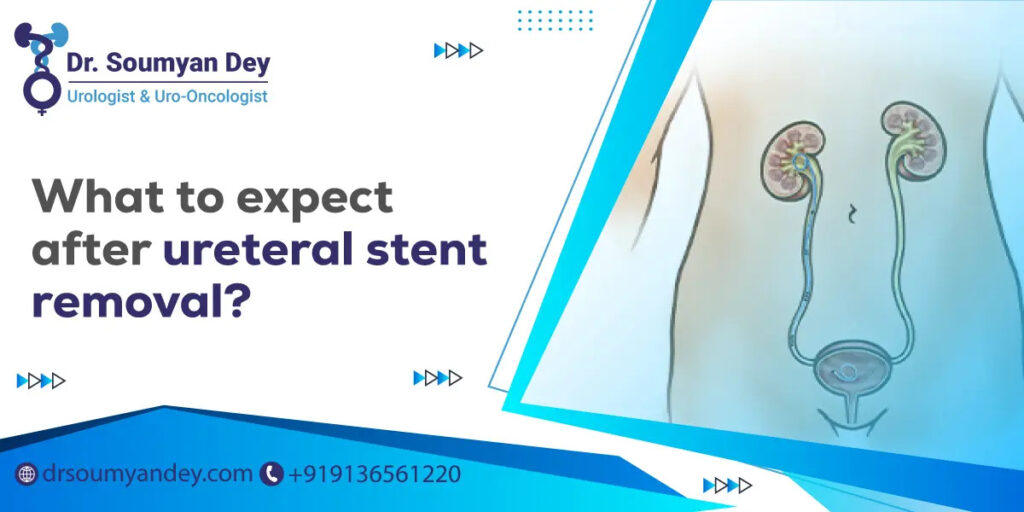
1. Introduction An ureteral stain is a lean and flexible material that inserted into the ureter carries urine from Kidney to the bladder. The aim of ureter stain is to provide proper urine flow from kidney to bladder while there is a blockage in the ureter. The blockage in the ureter due to many factors such as stone in kidney tumors or blood clot in kidney. This blockage can cause extreme pain, infection or severe damage in the Kidney. These stents are primarily formed with plastic or metal then put into the ureter.  Stents provide help to keep the ureter open and help the ureter to pass urine without any blockage. These are sometimes used temporarily or placed for a few weeks to many months depending on the client\’s condition. 2. The Removal Process The ureteral stent removal is a minor procedure if it gets done by expert doctors for ureteral stents in Navi Mumbai. Doctors will insert a movable cystoscope through the urethra while you can have a glance of the procedure through the camera.But if your stents are attached with  any strings ,your doctor will easily pull it out from the ureter. The entire removal procedure generally takes a few minutes for completion and your urinary functions work normally afterward. 3. Immediate Effects During the procedure some patients may experience mild discomfort or some might feel excessive pain after the removal. Often patients experience burning sensation, urge of repeated urine, even some bleeding. One of the most severe effects after ureteral stent removal is bleeding while urinating which is considered normal if in moderate amounts and for a small period. You may also encounter the urgency of urination and a burning sensation after the removal. Also Read: The Benefits of a Stent for Kidney Stone Treatment 4. Recovery Period Ureteral stent removal process normally takes a week to fully recover but the immediate effects can be lowered by following up the guidance of Doctors for ureteral stents in Navi Mumbai. First of all, drink an adequate amount of water to lower the burning sensation and bladder discomfortness. Along with that, strictly maintain the prescribed pain-relievers to manage the pain. Moreover, maintain your regular follow-up to monitor any severe complication after removal. 5. Follow-Up Care Follow up consultation after ureteral stain removal is very important to have proper recovery. We need to keep check on all the complications such as infection blockage or any abnormal kidney function. Patients always have to drink an adequate amount of water to reduce symptoms such as pain, blood in urine fever or to avoid any stressful activities. Patience always needs to take proper medication and always report any abnormal symptoms to your urologist in Navi Mumbai to prevent any severe issues. 6. Conclusion Ureteral stain removal is a unique but simple and prompt procedure that helps patients to recover in a very short span of time. Patients might face temporary unusual discomfort, urgency in urine pass and mild level pain just after removal. Drinking fluid material and water can help to reduce these effects. Follow up consultation is essential for proper healing and to cure any complications.Consulting with a urologist in Navi Mumbai can help to get access for expert care and guidance for the entire process and confirm speedy recovery.

How Fast Does Bladder Cancer Spread

How Fast Does Bladder Cancer Spread?

What is Bladder Cancer? One of the types of cancer, bladder cancer, emerges when bladder tissue cells get changed. The bladder is a part of the body that works as an organ for storing urine inside the body until it is discharged. Bladder cancer can be triggered in the located tissues which are lining the bladder cavity. Knowing how quickly Bladder Cancer can spread is important for getting the correct diagnosis and treatment. This is because proper diagnosis is essential to the proper planning and Bladder tumor treatment. So, patients need to be aware that Bladder Cancer is a severe disease that should be treated accordingly. Overview of Bladder Cancer Urinary tract cancers are most frequently seen to have the form of bladder cancer among all the types of cancers identified in the urinary tract. The two main historical divisions that bladder cancer falls under are transitional cell carcinoma, squamous cell carcinoma, and adenocarcinoma. Bladder cancer manifestations include bloody urine, burning or pain during urination, and urination frequency. This dizziness or light-headedness is predominantly experienced by people above 65 years old. The main risk factors for cancer are consuming tobacco and exposure to chemicals (benzene) or dyes. Importance of Understanding the Spread of Bladder Cancer The severity of bladder cancer is assessed through examination of the tumour, and the different types of treatments will be prescribed according to the stage of the disease. Having a consultation with a Bladder Cancer Specialist in Navi Mumbai will help to know how widespread cancer is, and this is diagnosed upon tests. Thus, the urologist can make sure that the patient is suitable for bladder cancer surgery and also choose the best type of treatment by the bladder cancer specialist in Navi Mumbai. Judicious medical attention compatible with severity is the decreasing probability of recovery. Also Read: Understanding Transurethral Resection of Bladder Tumor (TURBT): What to Know Before Treatment Factors that Determine the Spread of Bladder Cancer Some factors like the stage of cancer, grade of cancer cells, and patient\’s age and immunity influence how fast the bladder cancer spreads. The stage tells how far the cancer has grown and spread. Oncologists use the Gleason score system, where a higher grade means there is a closer resemblance to normal cells. Senior age is capable of weakening the immune system and it becomes easier for cancer cells to migrate from one place to another. In addition, often an individual\’s lifestyle could recognize the pathway among the transmitter. Speed of Bladder Cancer Spread Bladder cancer is said to spread slowly. It usually grows within the inner lining of the bladder first. In the early stages, it does not spread outside the bladder walls. However, if not treated on time, it may invade the bladder\’s muscle layer or spread to other organs. On average, it may take years to spread in the body from initial formation, if at all it spreads. However, it depends on factors like stage, grade, and individual\’s health. Early detection by a Bladder Cancer Specialist in Navi Mumbai can prevent fast spread. Conclusion The speed of bladder cancer spread depends on different factors, but usually, it grows gradually within the bladder first before invading other organs if left untreated. Seeking timely Bladder Cancer Treatment in Navi Mumbai from an experienced Bladder Cancer Specialist in Navi Mumbai can determine the accurate stage and guide the best course of treatment to stop the cancer spread. Following the Bladder Cancer Specialist in Navi Mumbai\’s advice on Bladder Cancer Treatment in Navi Mumbai and making healthy lifestyle modifications also aids in preventing fast cancer growth and spread for a better outlook.

Scroll to Top
📞