Dr. Soumyan Dey - Dr.Dey
Dr. Soumyan Dey
Urologist & Uro-Oncologist

Dr.Dey

Author name: Dr. Soumyan Dey

What are the top treatments for kidney cancer

What are the top treatments for kidney cancer?

Kidney cancer, specifically renal cell carcinoma (RCC), is one of the most common cancers in both men and women. The American Cancer Society stated, \”Kidney cancer is a serious disease, but it is often treatable. With early detection and treatment, most people with kidney cancer can live long and healthy lives.\” However, early detection of kidney cancer is challenging since symptoms may not appear until the disease progresses. Most people discover their kidney cancer incidentally during imaging scans or conducting tests for other purposes. Doctors offer different Types & Causes of Cancer 4. Radiation Therapy Radiation therapy uses high-energy radiation to target and destroy cancer cells. Doctors may use it as a primary treatment for localized kidney cancer or palliative treatment to relieve symptoms in advanced or metastatic cases. 5. Targeted Therapy Targeted therapies involve medications specifically targeting the abnormalities within cancer cells or their surrounding environment. These drugs interfere with specific molecules involved in cancer growth and progression. It is an effective treatment option for treating cancer that has spread or preventing cancer from coming back after treatment. Conclusion You should get a kidney cancer diagnosis if you experience common symptoms of urological cancer. Look for the best treatment options for kidney cancer. Dr. Soumyan Dey is a leading

Prostate Cancer Surgery In Navi Mumbai

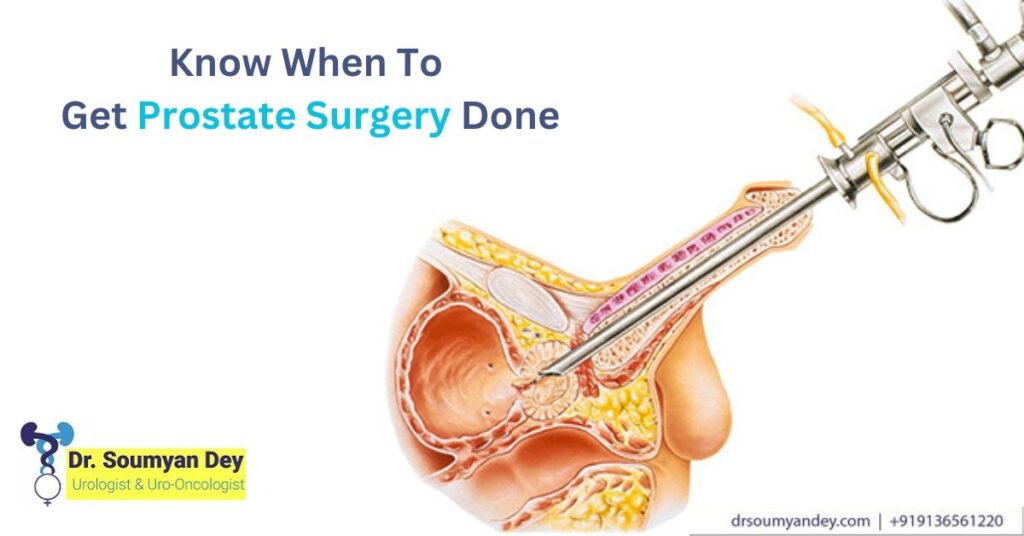
Know When To Get Prostate Surgery Done

The prostate is a small gland located between the bladder and penis in men. It plays a role in producing semen and is susceptible to changes as men age. With increasing age, hormonal changes and cell growth can cause the prostate to enlarge, a condition known as benign prostatic hyperplasia (BPH). A study states, \”By age 60, half of all men will have an enlarged prostate, and by age 85, the proportion reaches 90%.\” An enlarged prostate can increase the risk of kidney problems or repeated urinary tract infections. If you have an enlarged prostate that causes certain medical conditions and other treatments don\’t provide enough relief, you should get enlarged prostate surgery in Navi Mumbai.    Conditions that require prostate surgery  If you have any of these medical problems, you should consider getting enlarged prostate treatment in Vashi, including: Prostate cancer is the most common cancer diagnosed in men. In most cases, it is a slow-growing cancer, but it can spread to other body parts if it is not treated. Some common symptoms of prostate cancer include frequent urination, weak urine flow, erectile dysfunction, bone pain, and pelvic discomfort. Doctors recommend prostate surgery to treat prostate cancer. Prostatitis is an inflammation of the prostate gland. A bacterial infection, a virus, or an autoimmune disorder may cause it. Prostatitis can cause a variety of symptoms in a person, including pain, difficulty urinating, and blood in the urine. Doctors sometimes use prostate surgery to treat prostatitis, but it is usually not the first line of treatment. BPH is a common condition in older men that causes noncancerous prostate gland enlargement. It can cause various symptoms, including difficulty urinating, frequent urination, and a weak urine stream. Your healthcare provider may suggest TURP, laser ablation techniques, or prostate artery embolization (PAE) to treat BPH. Check more about Blood In Urine: What Does it Mean? A prostate abscess is a collection of pus in the prostate gland. It is a rare condition, but it can be serious. Prostate abscesses are usually treated with antibiotics and surgery. It typically requires drainage to remove the infection and relieve symptoms. Surgical procedures, such as transrectal or transperineal drainage, may be necessary to address the abscess. Moreover, doctors may use prostate surgery to treat prostate abscesses if other treatments, like antibiotics, are unsuccessful.  This condition causes narrowing of the urethra, the tube that carries urine from the bladder to the outside of the body. Doctors may use prostate surgery to treat urethral stricture if other treatments, like medication or balloon dilation, are ineffective. Conclusion : If you want an enlarged prostate treatment clinic in Navi Mumbai, consider visiting Dr. Soumyan Dey. He is a leading urologist and uro-oncologist with 12 years of experience. Dr. Dey believes that surgery should only be used when necessary. He uses minimally invasive surgical techniques whenever possible, which can help to reduce recovery time and pain. Also Read : How is Prostate Cancer Diagnosed?

urethritis treatment in Mumbai

Urethritis Treatment in Mumbai

Urethritis Causes & Treatment  About urethritis. Urethritis: Urethritis is the inflammation and swelling of the urethra, the narrow tube that carries urine from the bladder to the outside of the body. It leads to difficulty or pain when urinating. Urethritis is usually caused by bacteria or a virus. A chemical irritant can also trigger it. It is different from a urinary tract infection (UTI) which usually affects the whole of the urinary tract. It can be transmitted through unprotected sex. If a woman has a vaginal infection, she can pass it on to a male partner. Symptoms of urethritis. The main symptom of urethra inflammation from urethritis is pain with urination (dysuria). In addition to pain, urethritis symptoms include: Feeling the frequent or urgent need to urinate Difficulty starting urination Urethritis can also cause itching, pain, or discomfort when a person is not urinating. Other symptoms of urethritis include: Pain during sex Discharge from the urethral opening or vagina In men, blood in the semen or urine People who have urethritis may also not have any noticeable symptoms. This is especially true for women. In men, symptoms may not be apparent if the urethritis developed as a result of chlamydia or occasionally trichomoniasis infection. For this reason, it’s important to undergo testing if you may have been infected with a sexually transmitted disease (STI). Causes of Urethritis. Sexually transmitted infections are a common cause of urethritis. Apart from gonorrhea, other STIs are related to urethritis, including: Chlamydia. Trichomoniasis. Genital Herpes. However, you can also get urethritis from: Urinary Tract Infection (UTI) Yeast infections. Exposure to irritants like spermicides, douches and soaps. Squeezing your penis roughly. Activities that put pressure on your urethra, like riding a bicycle or some sexual acts. Putting something up inside your urethra, such as a catheter to help you pee. Is urethritis contagious? Urethritis itself isn’t contagious, but the infections that cause it can be contagious. If you have urethritis caused by an STI, you should be treated for the STI. Your partner or partners should also be treated. If only one of you is treated, you’ll just keep passing the infection between you. Treatment for urethritis. Treatment for urethritis typically includes a course of either antibiotics or antiviral medication. Some common treatments for urethritis include: Azithromycin, an antibiotic, typically taken as one time dose Doxycycline, an oral antibiotic that is typically taken twice a day for seven days Erythromycin, an antibiotic that can be administered orally, four times a day for seven days Ofloxacin, an oral antibiotic that is typically taken twice a day for seven days Levofloxacin, an oral antibiotic that is typically taken once a day for seven days If an STI caused the infection, it’s vital that all sexual partners undergo testing and treatment if necessary. This prevents the spread of the STI and reinfection. You may see improvement in your symptoms just a few days after beginning treatment. You should still finish out your prescription as recommended by your doctor, or the infection could come become worse. Those with urethritis should wait one week once they are completely finished with their prescription and their partner has finished treatment before resuming sexual activity. Potential drug interactions for the medications used to treat urethritis include: Blood thinning medications. Heart medications. Seizure medications. How can I prevent urethritis? Many of the bacteria that cause urethritis can pass to another person through sexual contact. Because of this, practicing safe sex is an important preventive measure. The tips below can help reduce your risk: Avoid having intercourse with multiple partners. Use protection such as condoms every time you have sex. Get tested regularly. Protect others. If you find out you have an STI, inform others who are also at risk of an infection. Aside from safer sex practices, there are other ways to promote good urinary tract health. This can lower your risk of urethritis and some other conditions that affect this part of the body. Drink plenty of fluids and make sure to urinate shortly after intercourse. Avoid acidic foods. Also, avoid exposure to spermicides, particularly if you already know they irritate your urethra.

Urinary Tract Infection Treatment

Urinary Tract Infection Treatment

How to treat urinary tract infection (UTI)? Urinary tract infections are very common in the world today especially among the age group of young people who are sexually active or in the age group of elderly people majorly in the post-menopausal women or other people who are at risk of kidney diseases like diabetes and people who are on medicines related to kidney disease. All these people have relatively increase in incidence of urinary tract infections (UTI). Urinary tract infection involves infection either in the upper urinary tract including the kidney or the ureter or the lower urinary tract which are more common including the bladder and the urethra. Best available Treatment for Urinary Tract Infection. You will need to treat a urinary tract infection. Antibiotics are medicines that kill bacteria and fight an infection. Antibiotics are typically used to treat urinary tract infections. Your healthcare provider will pick a drug that best treats the particular bacteria that’s causing your infection. Some commonly used antibiotics can include: Nitrofurantoin. Sulphonamides (sulpha drugs). Amoxicillin. Cephalosporins. Trimethoprim/sulfamethoxazole (Bactrim). Doxycycline. Quinolones (such as ciprofloxacin [Cipro]). It’s very important that you follow your healthcare provider’s directions for taking the medicine. Don’t stop taking the antibiotic because your symptoms go away and you start feeling better. If the infection is not treated completely with the full course of antibiotics, it can return. If you have a history of frequent urinary tract infections, you may be given a prescription for antibiotics that you would take at the first onset of symptoms. Other patients may be given antibiotics to take every day, every other day, or after sexual intercourse to prevent the infection. At-home urine tests, which you can get without a prescription, can help you decide whether you need to call your doctor. If you’re taking antibiotics for a UTI, you can test to see whether they’ve cured the infection (although you still need to finish your prescription). How to Prevent Urinary Tract Infection Re-Infection Following some tips can help you avoid getting another UTI: Empty your bladder often as soon as you feel the need to pee; don’t rush, and be sure you’ve emptied your bladder completely. Wipe from front to back after you use the toilet. Drink lots of water. Choose showers over baths. Stay away from feminine hygiene sprays, scented douches, and scented bath products; they’ll only increase irritation. Cleanse your genital area before sex. Pee after sex to flush out any bacteria that may have entered your urethra. If you use a diaphragm, unlubricated condoms, or spermicidal jelly for birth control, you may want to switch to another method. Diaphragms can increase bacteria growth, while unlubricated condoms and spermicides can irritate your urinary tract. All can make UTI symptoms more likely. Keep your genital area dry by wearing cotton underwear and loose-fitting clothes. Don’t wear tight jeans and nylon underwear; they can trap moisture, creating the perfect environment for bacteria growth. You may want to know whether you have symptoms of Urinary Tract Infection. Read our article on Symptoms of Urinary Tract Infection. If you find any symptoms of Infection, do Consult Dr. Soumyan Dey, Best Urologist in Mumbai.

urinary tract infection symptoms and treatment

Symptoms of Urinary Tract Infection

 Urinary tract infections are very common in the world today especially among the age group of young people who are sexually active or in the age group of elderly people majorly in the post-menopausal women or other people who are at risk of kidney diseases like diabetes and people who are on medicines related to kidney disease. All these people have relatively increase in incidence of urinary tract infections (UTI). Urinary tract infection involves infection either in the upper urinary tract including the kidney or the ureter or the lower urinary tract which are more common including the bladder and the urethra. First and the most common sign is the burning in urination. Any person who is having burning while urinating or dysuria should immediately get his/her urine routine and culture done to evaluate the cause of the burning. This is the most common type and varies with people. Some people have mild burning sensation while other have severe pain and finds difficulty in urinating or not able to urinate at all. But all burning is not the cause of UTI so to confirm the person should go for urine routine and culture test. Urine routine should show greater than 5 pussels per high power field. If you have blood clots in urine, How Serious Is It? We have explained in another article. Read that. Second symptom is the increase in number of times of urinating. The person has to go many times in a day including the night till the UTI is treated. Other Urinary tract infection symptoms include: Pain in the abdomen or pelvic area Pressure in the lower pelvis Abnormal urine colour (cloudy urine) and foul smell Other symptoms that may be associated with a urinary tract infection include: Pain during sex Penis pain. Flank (side of the body) pain or lower back pain. Fatigue. Fever (temperature above 100 degrees Fahrenheit) and chills. Vomiting Mental changes or confusion. If you are facing any of the following symptoms then you should go and get your urine routine and culture done to be sure of what exactly is the cause of the symptom that you are facing. You can visit best urologist in Mumbai and consult them !

Natural Remedies for Kidney Stones

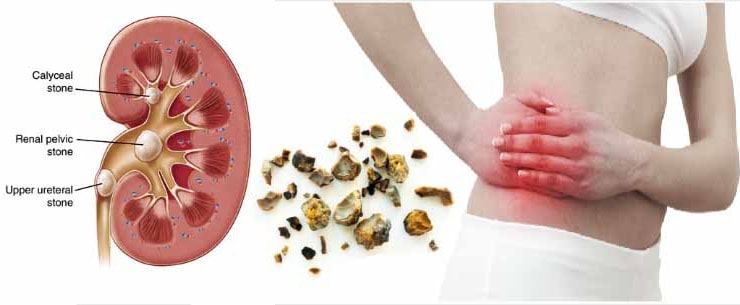
Natural Remedies for Kidney Stones: Here’s What May Help Kidney stones are very painful. If you have one or a bunch of these, you might experience unusual lower back pain. It is extreme, to say the least. The worst part is people who have kidney stones removed either through oral medical, or invasive procedures are likely to get them back after some time. Kidney stones need treatment based on their size and quantity. But a few natural home remedies can help speed up your recovery. Here are some tips that might help.   Stay Hydrated People with kidney stones need to drink enough fluids to stay hydrated throughout the day. Water is associated with a lower risk of kidney stone formation. Certain beverages, like orange juice, tea, and coffee, show the same effects.  You should avoid sodas, cold drinks, and any artificial-sweetened drinks. They release uric acid and calcium oxalate, and both increase the risk of crystal formation in your kidneys. You should drink up to 3.6 liters of water daily to produce clear urine. Tip: While some fluids are healthy for your kidney health, others might increase the risk of kidney stones. So, check with a urologist before drinking.   Limit Foods Rich in Oxalates Our bodies produce a considerable amount of oxalic acid. It’s also found in large amounts in green leafy vegetables, cocoa, and certain fruits. Although oxalates aren’t harmful, they can be problematic for people with kidney stones.  Excess amounts of oxalate can bind different minerals, forming small crystals, which eventually become kidney stones. Limit the intake of foods containing high levels of oxalic acid, but ask your doctor first. That’s because oxalate-rich foods are important for your overall health, and its deficiency in your body can cause other problems.  Avoid Salt A diet rich in salt also increases your risk of kidney stones. As you increase your sodium intake, the calcium might excrete through urine. This can form kidney stones. Your urologist will recommend an ideal amount of sodium intake for a day, but ideally, you should limit it to 2,300 mg. Unfortunately, most people eat more salt than the recommended levels. To keep your sodium levels in check, avoid packaged and processed foods. Eat Magnesium-Rich Foods Although more research is needed, it is believed that magnesium reduces the risk of crystal formation or calcium excretion through urine. Experts recommend 420 mg of magnesium in your diet a day. If your diet doesn’t provide a sufficient amount of magnesium, try tofu, avocados, and legumes. They are excellent sources of diet-based magnesium. Kidney stones consist of solid waste materials that accumulate in your kidneys and turn into solid crystals. These crystals can block the urine flow, causing your kidneys to swell and cause pain. You need to see a urologist in Mumbai immediately if you notice a sharp pain in the lower back and abdomen, blood in the urine, cloudy urine, and other symptoms. Blood tests and urine tests will help your urologist detect kidney stones. For a more clear diagnosis, they might order an ultrasound or CT scan.

Cancer types & treatments

Types & Causes of Cancer

Types and Causes of Cancer Cancer is a disease in which some of the body’s cells grow or spread uncontrollably to the other parts of body. Cancer can start almost anywhere in the human body. Normally, human cells grow and multiply to form new cells as the body needs them. When cells grow old or become damaged they die, and new cells take their place. Sometimes this order breaks down causing abnormality of cells division causing damaged cells to grow when they should die and make new. These cells may form tumours, which are lumps of tissues. Types of tumoursTumours can be cancerous or non cancerous as well.Cancerous tumours spread into nearby tissues and can travel to distant places in the body to form new tumours. Many cancers form solid tumours but cancers of the blood, such as leukaemia, generally do not.As we understand that cancer occurs when the normal cells in our body grow in uncontrolled way. This abnormal growth of cells can become cancer and if the cancerous cells took the major part of the organ then the organ can no longer work. Causes of Cancer The exact cause of cancers are unknown and there is not a single cause for any type of cancer. But there are some factors that helps in developing cancers.Tobacco use is the cause of 22% of cancer deaths. Another 10% are due to obesity, poor diet, lack of physical activity or excessive drinking of alcohol. Other factors include certain infections, exposure to environmental pollutants that are harmful for our bodies.15% of cancers are due to infections such as Hepatitis-B, Hepatitis-C and HIV. Approximately 5-10% of cancer are due to inherited genetic defects. Cancers can be detected by certain signs and symptoms. Best available Cancer Treatment in Mumbai There are majorly two ways to cure cancer.1. Surgery2. Chemotherapy What is Surgery? The goal of the surgery is to remove the cancer as much of the cancer as possible. What is Chemotherapy? Chemotherapy is a drug treatment for cancer patients. In this drug treatment powerful chemicals are used to kill fast-growing cells in body. Since cancer cells grow and multiply ver rapidly than any other cells in the body. Most types of cancers are treated using different chemotherapy drugs. These drugs are either used alone or in combination with other chemotherapy drugs. As we know that chemotherapy is an effective and the most used way to treat cancer, we should also know that it carries a risk of side effects. Because everything comes with a cost of something. Benefits of Chemotherapy *Chemotherapy helps in shrinking/reducing the cancer or in simple terms it helps to slow down the rate of growth of cancer.*Chemotherapy also prevents cancer to spread any further.*It helps in reducing pain in the area and other problems caused by the tumour.*It cures cancer completely in most cases.RISKSAs we are aware that drugs have some side effects. And different drugs causes different side effects. Same is the case with the chemotherapy drugs. Most of the side effects are short terms though. They will begin to o once the treatment is completed. Some general side effects of chemotherapy are listed down below.• Tiredness and weakness• Reduced platelets• Risk of getting infection due to pure immunity• Loss of Appetite Procedure of Chemotherapy As we know that chemotherapy is a serious treatment for a serious disease, it’s important to know everything about it before going through it. Patient undergoes a series of tests to help determine whether you are healthy enough for the chemotherapy. These tests include heart examination and various blood tests to determine the health of your body. These tests also helps the doctor to decide which kind of chemotherapy to be used in your treatment. Doctor may also recommend you to visit your dentist before beginning the treatment as the chemotherapy affects your body’s ability to heal. If there is any kind of infection in your gums or teeth ,it could possibly spread throughout your body causing numbers of complications. Chemotherapy is mostly given in the form of pills but in some cases it is also given directly into your veins by injection or an IV. Let’s discuss further about the ways of chemotherapy in detail.ORAL CHEMOTHERAPY MEDICATION In this procedure pills are given directly to be swallowed by patient. They come in variety of oral forms such as pills ,tablets ,capsules ,liquid all of which can be absorbed by the stomach or under the tongue.INTRA MUSCULAR CHEMOTHERAPY INJECTIONS In this type of chemotherapy IM injections are given into the muscles. In this absorption of medication is more rapid than the oral form but slower than sub lingual. Most chemotherapy are not given in this form because of the harshness of the chemicals used.INTRAVENOUS CHEMOTHERAPY Intravenous chemotherapy allows for rapid entry into the body’s circulation ,where it is carried throughout the body in the blood stream. This is the most common method of chemotherapy, since most chemo drugs are easily absorbed through the blood stream.Chemotherapy DrugsChemotherapy drugs are categorised based on their mode of action. There are a few main categories that we should be aware of. Like for breast cancer, lung cancer ,sarcoma we use Alkylating agents. And to treat leukaemia , pancreatic cancer ,ovarian cancer , Lung cancer and gastrointestinal cancer we use Plant alkaloids. And to prevent side effects or allergic reaction from chemotherapy we use Corticosteroids.Duration of Chemotherapy Chemotherapy often involves several sessions of treatment. It shows the amount of time that comes between the start of one round of chemotherapy to the start of next.Chemotherapy usually lasts for around 3-6 months in general. However it also depends on the type of cancer. It can be shorter or longer accordingly.How much it costs?Chemotherapy costs in India differ from place to place and doctor to doctor.The minimum price comes somewhere around INR 3000 and it goes up to INR 50,000.However the cost depends on several other factors as well such as age of the patient, medical condition of patient,

Kidney Cancer Stages

Survival Rates for Kidney Cancer

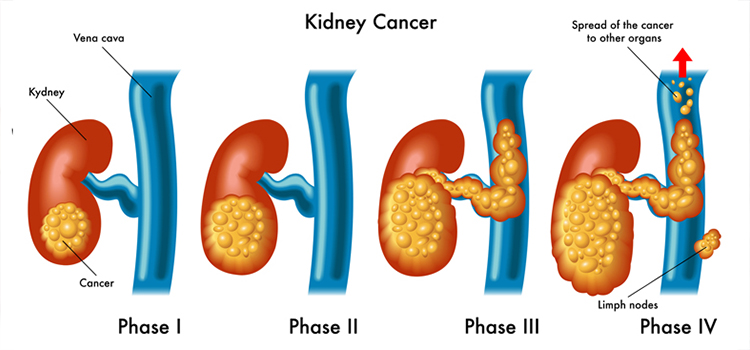
Survival Rates of Kidney Cancer Almost every patient who is diagnosed with the cancer wants to know about his survival rate. So, the patients generally ask the doctor about their survival rate. They can’t tell you exactly how long you will live, but they may help give you a better understanding of how likely it is that your treatment will be successful. A relative survival rate compares people with the same type and stage of kidney cancer to people in the overall population. For example, if the 5-year relative survival rate for a specific stage of kidney cancer is 80%, it means that people who have that cancer are, on average, about 80% as likely as people who don’t have that cancer to live for at least 5 years after being diagnosed. Localized: There is no sign that the cancer has spread outside of the kidney. As long as the tumour is within the kidney the five years survival rate of the patients rise to somewhere between 80-90%. And in the same case if the size of the tumour is around 4-7 cm it will rise up to 90-100%.   But if the size is more than 10 cm the survival rate decreases to 70%. so as long as the tumour is inside the kidney the survival rate may lie between 70-90%. Regional: The cancer has spread outside the kidney to nearby structures or lymph nodes. Now, if the tumour is spread to other parts of body the 5-year survival is only 10% i.e., only 10 out of 100 patients will survive for 5 years. If the tumour has spread to the lymph node, then the survival rate rises to 20%. Distant: Includes cancers that have spread to distant parts of the body such as the lungs, brain, or bones. And the survival rate is somewhere around 20-30%.  Now a days with the advancement of technology if the thrombosis is below the level of diaphragm, then 50% of patient will survive more or up to 5 years. So, kidney tumours that are less than 4 cm they can be removed and the survival rate will be approximately 100%. With size decreases the survival rate and if the tumour has spread outside the kidney the survival rate decreases.  People now being diagnosed with kidney cancer may have a better outlook than these numbers show. These numbers apply only to the stage of the cancer when it is first diagnosed. They do not apply later on if the cancer grows, spreads, or comes back after treatment. These numbers don’t take everything into account. Keep in mind that survival rates are estimates and are often based on previous outcomes of large numbers of people who had a specific cancer, but they can’t predict what will happen in any particular person’s case. These statistics can be confusing and may lead you to have more questions. Your doctor is familiar with your situation, so ask how these numbers may apply to you. Dr Soumyan Dey is a Best Uro Oncologist who is best kidney cancer surgeon in Mumbai follows a evidence based approach to identify the best course of Kidney Cancer treatment. 

Urethral stricture Surgery

Urethral Stricture Disease

Urethral Stricture – Symptoms & Treatment Urethral stricture disease occurs due to the dysfunction of the urethra. The urethra’s main job in males and females is to pass urine outside the body. This is a thin tube-like structure. It also has an important role in ejaculation for men. A stricture restricts the flow of urine from the bladder and can cause a variety of medical problems in the urinary tract, including inflammation or infection. Urethral stricture in simple words is narrowing in the tube which drains urine from the bladder towards the outside. Stricture restricts the flow of urine from the bladder and can cause variety of medical problems including urinary infection, can cause difficulty in passing urine ,there will be urine left in the bladder even after you peed out once. So the kidney can get damaged. Most important symptom of stricture is difficulty in passing urine, that means patient takes a lot of time to start, he takes a lot of time to finish his flow, his flow is poor. He will leave behind a lot of urine in the bladder therefore he will go again and again for urinating. He will get up again and again in the night . When he will run to the bathroom to urinate it is known as urgency. Symptoms of Urethral Stricture  The urethra is a tube-like structure, when there is a kink or narrowing in the tube, no matter how short or long, the flow is reduced. When a stricture affects your urine flow, you will have symptoms. Some visible symptoms are as listed below. 1. Decreased urine stream2. Urine stream spraying3. Pain while urinating4. Abdominal pain How to diagnose Urethral Stricture ? To test for a urethral stricture, we might perform a physical exam or one of these diagnostic tests: For males, a doctor will also conduct a physical exam to see whether there are any visible injuries or deformities to the penis. They may also recommend various testing methods to identify urethral problems. Tests include:The first test should be Uroflammotory. It is the first test that hints towards stricture.If the graph is flat that suggests there is stricture.• Retrograde urethrogram: In a retrograde urethrogram, a doctor inserts special contrast dye into the urethra at the tip of the penis and watches where the dye progresses using a fluoroscopic X-ray device.• BXO(Balanitis Xerotica Obliterans): • Imaging studies: Imaging studies, such as MRI and CT scans, scans, and ultrasounds, let doctors view the urethra and surrounding structures. Urethral stricture treatment without surgery. Treatment without surgery is what most people want. But it is not possible to get it cured without surgery as it is not any kind of muscle spasm that can be treated with exercise or other things. Stricture needs surgery to get cured as its fixed narrowing.   The success rate of Urethral stricture surgery. As the medical world has developed and advanced so much in the past few years. Almost all surgeries have the best success rates. The success rate in the case of urethral stricture is around 98% in simple cases whereas in complex cases it’s the success rate is around 80%. Dr Soumyan Dey is a best Uro Oncologist Surgeon in Mumbai, book an appointment with them and get best Urethtal treatment. Care after urethral stricture Surgery. You need to take extra care of your diet after the surgery. There are a few things you must avoid and a few that you must have. Yogurt is considered very good to keep in your diet after surgery as it does not allow harmful bacteria to build up. Berries are also very nutritious and are rich in vitamin C. They beat bacterial and fungal infections. Fruits such as apples, bananas, and oranges are rich in fibre and are easy to digest as well. Garlic is also helpful in the prevention of the growth of unwanted microbes in urinary bladder.And you should avoid nuts, too much meat, excess eggs, junk food, and carbonated drinks to avoid any complications in post-surgery.

Kidney cancer treatment

How fast does kidney cancer spread

How Fast Does Kidney Cancer Spread? Kidney cancer is the cancerous growth in your kidneys. It starts with a few cells that multiply in large numbers rapidly and spread within and outside the kidneys. These quickly multiplying cells might form a mass. Kidney cancer that spreads to the nearby organs is called metastatic cancer or cancer in its IV stage. Renal cell carcinoma, the most common type of kidney cancer, has many subtypes. The rate at which the cancer cells spread depends largely on how aggressive the cancer is. The cells usually spread to the lymph nodes and lungs, but they can also go beyond that, depending on the type of cancer. Chromophobe, capillary, and clear cells are the most common subtypes of kidney cancer. Of these, the clear cell is the most aggressive one. A vast majority of kidney cancer patients are diagnosed with clear cell renal carcinoma, which spreads aggressively across your kidneys and other vital organs. In addition to the lungs, the cells might spread to your liver and bones too. Chromophobe is less likely to occur and has only a 7% chance of spreading to the surrounding tissues. How does Renal Cell Carcinoma Spread? As cancer starts spreading, it enters your bloodstream. It can also reach the adrenal gland found right on top of the kidneys. Once these cells reach your blood vessels, they are transferred to your veins and arteries. Your lymph nodes are connected to your entire body and are primarily responsible for fighting infections. But, once these get infected with the cancer cells, they might weaken, affecting your body’s ability to cope with infection. As mentioned before, cancer most likely spreads to your lungs first, but it can reach your brain, liver, and other vital organs. The worst part is that renal carcinoma rarely produces symptoms in the early stages. Even if it does produce symptoms, these are often confused with infections and other conditions. That’s why kidney cancer is associated with a high mortality rate and is one of the most difficult to treat. It often goes unnoticed in the first few stages. Cancer starts in the tubules. They multiply rapidly within the kidneys and grow to form a mass or a tumor. It can spread the nearby organs in multiple ways. The cells usually invade the nearby blood vessels and then enter your lymph nodes, through which these are carried to other parts of your body. The survival rate for kidney cancer patients depends on how aggressively the cancer has spread. If the metastasis is confined to the lungs and kidney, there is a good chance of 5-year survival.  Treatment for Kidney Cancer The treatment also depends on where cancer has spread and the size of the tumor. If the cancer is within the kidney, chemotherapy in conjunction with surgical removal of the tumor is recommended. You may need radiation therapies with complete or partial removal of the kidney if cancer has spread beyond that. The surgeon might also remove tissues and lymph nodes affected by these cells. If you are facing any symptoms of Kidney related issues or found Cancer in your Kidney, you must consult Dr Soumyan Dey, Best Uro Oncologist in Mumbai

Scroll to Top
📞