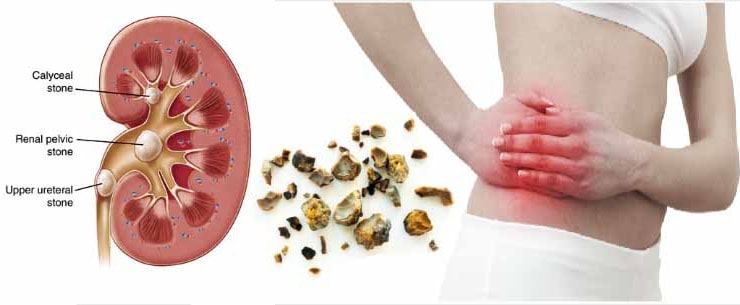
Kidney stones causing intense pain that doesn’t get better with pain-relief medication or occurs with fever, heavy bleeding, and blocked urine are considered an emergency.
Kidney Stone Pain: How to Know If It’s an Emergency
When you hear kidney stones, the first image in your mind is of the intense pain. It’s undoubtedly one of the most painful medical conditions that can affect men, women, and people of all ages. Pain strikes when the stone passes through the ureters and becomes lodged, blocking urine flow and triggering severe pain in the sides and back.
Some stones pass through the urine on their own. Others that are too big to pass naturally might require medical intervention. If you are also diagnosed with kidney stones, it’s important to be aware of the emergencies that warrant an immediate visit to a kidney stone specialist in Navi Mumbai.
Kidney Stones: How Painful Are They?
When certain minerals and salts in your urine become highly concentrated, they may stick together, forming small crystals. These are called stones. Kidney stones do not typically cause pain until they travel down the ureters.
When a solid object passes through the ureters, the thin tubes that carry urine from the kidneys to the bladder, it triggers strong muscle contractions. Ureters aren’t flexible enough to stretch to accommodate stones. This leads to sharp, intense pain. Here’s how people describe this pain:
- Cramp-like, stabbing pain.
- Pain comes in waves.
- Pain starting in the sides or lower back and gradually radiating to the groin.
Many people find it hard to stay still with such intense pain. They may move, shift positions, or feel restless to get relief.
Is the Pain Intensity the Same for Everyone?
No, the pain intensity varies greatly depending on a few factors, such as:
- Size: Smaller stones can pass easily with minimal discomfort, while larger stones can get stuck, causing intense pain.
- Location: Location of the stone matters a lot. The pain occurs when the stone travels down the ureters.
- Your Pain Tolerance: It also depends on your individual pain tolerance level.
When Should You Seek Immediate Medical Attention?
Here are the warning signs that require immediate kidney stone treatment in Navi Mumbai.
Fever and Chills: If pain is accompanied by high-grade fever and chills, it could signal a serious emergency, such as an infection. Treatment at this stage is very important, as it increases the risk of sepsis.
Severe Pain: If the pain is unbearable or doesn’t respond to medications, it’s time to seek emergency medical care.
Persistent Nausea and Vomiting: If you experience constant nausea or vomiting, see a urologist immediately, as not being able to keep fluids down can increase the risk of dehydration.
Urinary Blockage: A severe complication of a kidney stone is urine blockage. If your urine output has decreased or stopped, contact a urologist immediately.
Blood in the Urine: Many people with kidney stones experience hematuria, blood in the urine. Sometimes, it’s microscopic not visible. Sometimes, it can be seen. If you notice a significant amount of blood in urine, that’s not normal.