
Dr.Dey

Urethral Stricture Treatment

aging-of-the-kidneys-and-bladder

Effects of Aging on the Kidneys and Bladder

Our kidneys have the potential to filter a considerable amount of blood every hour. That’s just for people with healthy kidneys, though. The kidneys create urine from excess water and waste in the body, which passes from the ureters to the bladder and is eventually expelled through the urethra.  By doing so, these two bean-shaped organs maintain a perfect balance of essential minerals and salt levels. The question is, what effects does aging have on our kidneys? Let’s find out. How Aging Affects Kidney Function Experts believe that by the time you turn 70, your kidneys will lose 30-40 percent of their blood filtering capacity. This applies to most people, including those without any underlying kidney diseases. Additionally, kidneys may shrink with age. This can further affect their filtering capacity. Kidneys that do not filter blood at a normal rate are more vulnerable to chronic kidney disease than healthy kidneys. The good news is that kidney function declines gradually, and at a very slow pace. You just need to follow a healthy lifestyle, eat a nutritious and balanced diet, and maintain your overall health to keep your kidneys healthy. How Aging Affects Bladder Function Here’s how aging affects your bladder function: Increased Urge to Urinate: Older people experience a sudden urge to urinate, particularly at night. This can increase the risk of leakage and, in some cases, accidents. Weakened Bladder: With age, your bladder wall muscles may become weaker, making you more prone to urinary incontinence. Your bladder might also not empty properly, which in turn causes frequent urges to urinate. Urinary Tract Infections: The above issues, particularly the bladder’s inability to empty properly, can make you more prone to urinary tract infections. It provides a perfect environment for the bacteria to thrive. Aging can make your bladder feel stiffer than usual, making it less effective at holding urine. This means you may have to urinate more frequently. It also makes you more vulnerable to urinary tract infections. In men, particularly, an enlarged prostate can affect their urinary function.  Tips for Keeping Your Kidneys Healthy  You can maintain your kidneys’ health despite aging. These tips will help: Stay Hydrated: Drink 8-10 glasses of water a day to flush out toxins. However, it’s advisable to consult your doctor before increasing your fluid intake.  Keep Your Blood Pressure and Blood Sugar Under Control: Uncontrolled diabetes and hypertension can harm your kidneys in the long run. Make sure these conditions (if you have them) are managed with medication and lifestyle adjustments. Eat a Healthy Diet: Add kidney-friendly foods, such as green leafy vegetables, fruits, and whole grains, to your diet. Avoid excessive protein, processed foods, and those high in salt and sugar. Exercise: Indulge in regular physical exercise to stay fit, manage your weight, and keep your blood pressure under control.  Aging doesn’t just cause wrinkled skin, fatigue, and other obvious symptoms. It also affects your internal organs, including the kidneys and bladder. It’s important to watch for unusual symptoms, such as increased urination, difficulty urinating, or blood in the urine (hematuria), and consult a urologist.

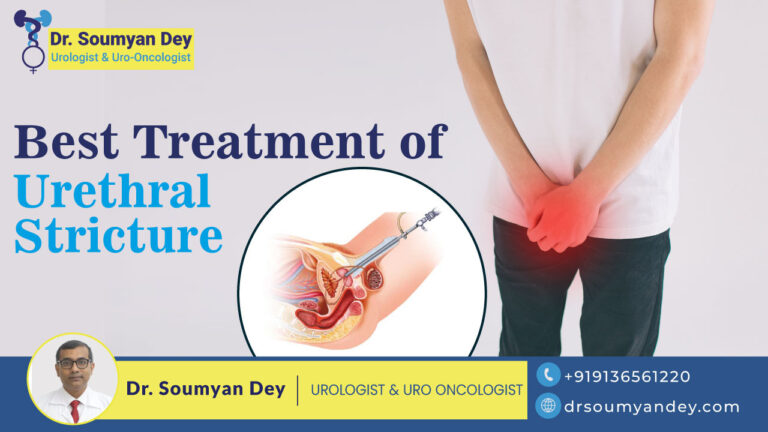
Best Treatment of Urethral Stricture

Best Treatment of Urethral Stricture

Urethra is a tube that carries urine outside the body, in both men and women. This narrow tube can get blocked, inflamed, or damaged, making it difficult to pass urine. The technical term for the issue is “urethral stricture”. This can happen suddenly or the condition might develop gradually. Urethral stricture is often painful, as it slows the urine stream and makes it painful to pass it. You must see a urologist in Navi Mumbai immediately if you have developed sudden inflammation, swelling, and pain in the urethra along with other symptoms of urethral stricture. Treatment Options for Urethral Stricture Treatment for urethral stricture depends on the severity of the condition, the patient’s health, the size, and the symptoms. Here are some common treatment options: 1) Urethral Dilatation If it’s a small and less severe stricture, dilatation can help. The procedure involves enlarging your urethra with a wire and dilators. It’s a minimally invasive procedure and the best choice for those with small strictures. 2) Urethrotomy Urethrotomy involves a cystoscope, a thin tube through which a medical instrument is put into the urethra to clear the blockage. After the blockage is cleared, your healthcare provider will put a catheter in place for a few days. You might notice blood in the urine for some time, but that’s normal with most urinary tract procedures. The only downside to this treatment is the possibility of the stricture returning. Also Read: Understanding Urethral Stricture Disease 3) Urethral Reconstruction or Urethroplasty If the above procedure fails, urethroplasty is recommended. It’s an open surgical procedure that removes the blocked tissues in your urethra, which are then reconstructed and the area is stitched. The surgeon might reconstruct your urethra using the skin from your lips, cheeks, or penis (in males). Urethroplasty is the most advanced urethral stricture treatment in Navi Mumbai, as the risk of the stricture returning is quite low after a complete urethral reconstruction. 4) Stent Implantation People diagnosed with a severe urethral stricture can also consider stent implantation. Patients who are not in a state to undergo surgical reconstruction surgery can opt for stent implantation. In this procedure, a stent is placed permanently into the urethra to keep it wide open. Considerations and Risks for Urethral Structure Procedures Any procedure on your urinary tract, whether surgical or minimally invasive, carries risk. Dilatation is an outpatient procedure and doesn’t involve any serious complications. The only risk in the procedure is the recurrence of the stricture. Urethrotomy is another safe procedure with minimal risk of scarring and infection, but like dilatation, there’s a risk of the condition recurring. An implanted stent and catheter that’s left inserted into the urethra for a long period increases the risk of bladder irritation, UTI, discomfort, pain, and other complications. You must follow up with your healthcare provider regularly to get the stent checked. Conclusion Urethral stricture generates positive results in most cases, but there’s a risk it might recur again, especially if you choose dilatation. Talk to your surgeon to discuss the benefits, risks, and recovery period of each procedure.

Managing Urethral Stricture Dilation Side Effects_ Tips and Tricks for Recovery

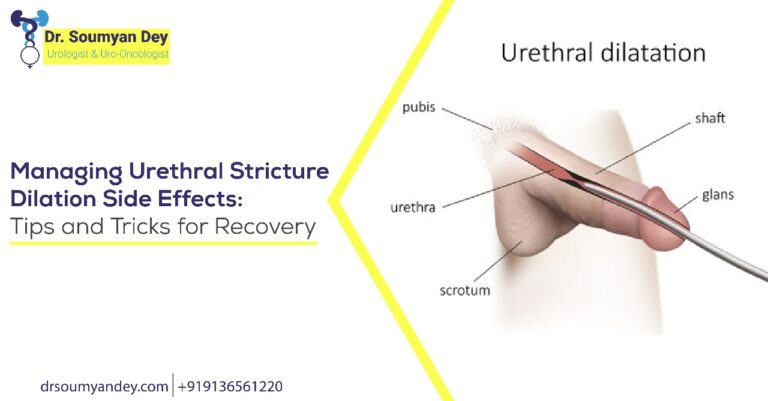
Managing Urethral Stricture Dilation Side Effects: Tips and Tricks for Recovery

What is Urethral Stricture Dilation? Urethral stricture dilation is a medical procedure commonly used to treat urethral strictures, a condition where the urethra narrows, causing difficulty in urination. This procedure involves gently stretching the narrowed portion of the urethra using a dilator, helping to restore normal urine flow. While this technique has proven effective in many cases, patients may experience side effects during the recovery process. What are the Side Effects of Urethral Stricture Dilation? Urethral stricture dilation, like any medical intervention, may lead to various side effects. These can include pain or discomfort during urination, temporary blood in the urine, and mild swelling or soreness around the treated area. It is crucial to note that these side effects are typically temporary and should subside as the body heals. Six science-based methods bodybuilders use to lose belly fat d bol meet the veteran bodybuilder who used to face arnold schwarzenegger Dr. Soumyan Dey, a renowned Urethral structure specialist in Navi Mumbai, emphasizes the importance of understanding and managing these side effects for a smoother recovery process. Dr. Dey\’s Urocare is at the forefront of providing advanced and compassionate care for patients undergoing urethral stricture treatment in Navi Mumbai. Tips and Tricks for Managing Urethral Stricture Dilation Side Effects Hydration and Fluid Intake: Staying hydrated is crucial during the recovery period. Increased fluid intake helps flush out any residual blood or debris from the urinary system, promoting a quicker healing process. Water and unsweetened herbal teas are excellent choices. Bodybuilder’s suicide bid: HC grants interim protection from arrest to actor Sahil Khan oxandrolone for sale mike o\’hearn trains with bodybuilder aleksey mokshyn in a creative triceps workout | barbend Pain Management: Mild pain or discomfort is common after urethral stricture dilation. Over-the-counter pain relievers, as recommended by your healthcare provider, can help alleviate these symptoms. Applying a warm compress to the lower abdomen may also provide relief. Also Read: Understanding Urethral Stricture Disease Rest and Avoidance of Strain: Adequate rest is essential for the body to heal. Avoid strenuous activities that could put stress on the treated area. Gentle walks and light activities are preferable during the initial days of recovery. Follow Post-Procedure Instructions: Adhering to the post-procedure instructions provided by your healthcare provider is crucial. This may include avoiding certain foods, medications, or activities that could hinder the healing process. Regular Follow-up with Your Specialist: Schedule and attend follow-up appointments with your Urethral structure specialist in Navi Mumbai. Regular check-ups allow your doctor to monitor your progress, address any concerns, and make necessary adjustments to your recovery plan. Conclusion: How to Ensure a Smooth Recovery from Urethral Stricture Dilation Urethral stricture dilation, performed by experienced specialists is a well-established treatment for urethral strictures. While some side effects are inevitable, proactive management can significantly contribute to a smoother recovery. By following these tips and tricks, patients undergoing urethral stricture dilation can optimize their recovery experience. It is essential to prioritize self-care, stay informed, and maintain open communication with healthcare providers to address any concerns promptly. If you are seeking Urethral Stricture treatment in Navi Mumbai, consulting with a specialist like Dr. Soumyan Dey can provide personalized care and guidance throughout the recovery journey. Remember, a well-managed recovery ensures not only the resolution of the stricture but also the restoration of a healthy and comfortable urinary function.

Scroll to Top