Dr.Dey

Urology

Benign Prostatic Hyperplasia (BPH)

Understanding and Combating Benign Prostatic Hyperplasia (BPH)

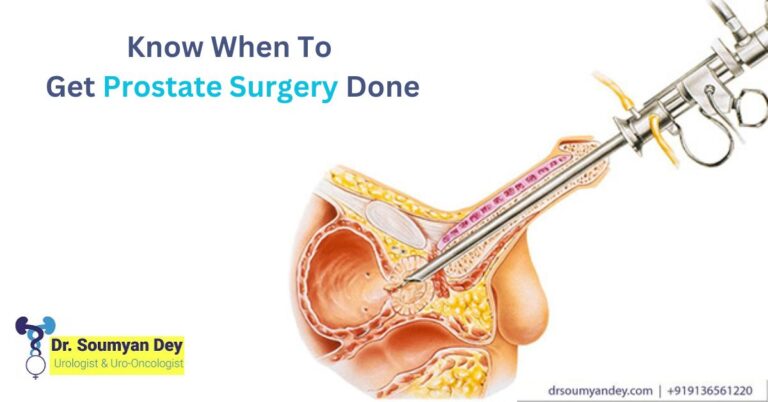
With age, the prostate gland that sits right beneath the bladder tends to get bigger. Although it’s not a medical emergency, you may need benign prostatic hyperplasia treatment in Navi Mumbai to live a healthy and normal life. In this post, we’ll take a detailed look at BPH, its symptoms, risk factors, and treatment options. What is Benign Prostatic Hyperplasia (BPH) Your prostate produces semen. It’s located near the urethra. If it gets bigger, it might block your urethra, which might prevent you from urinating. The condition might affect a man’s urinary tract, causing a series of urinary issues, like difficulty peeing, a weak urine stream, frequent urination, and incontinence.  BPH usually develops in men above 55. Although it’s non-cancerous and doesn’t directly increase your risk of developing prostate cancer, the symptoms of prostate cancer can be mistaken for BPH, which is why thorough evaluation is always necessary. What Are the Warning Signs of Enlarged Prostate? The symptoms might get worse over time and can vary from patient to patient.  Here’s what people with enlarged prostate report: The size of the prostate doesn’t affect the severity of the symptoms. People with an extremely enlarged prostate might notice manageable symptoms or no symptoms at all, while those with a slightly enlarged prostate might have major symptoms. Common Risk Factors for BPH Although anyone can develop BPH, here are a few factors that increase your risk: Combating Benign Prostatic Hyperplasia Here’s what may help prevent BPH: Treatment for Benign Prostatic Hyperplasia Your doctor may recommend oral medication to shrink the prostate\’s size. Certain lifestyle changes, like a balanced diet and an active lifestyle, can manage your symptoms. For more severe cases, BPH surgery in Navi Mumbai might be necessary.  Transurethral resection of the prostate (TURP) is one of the commonly performed surgical procedures for an enlarged prostate. The surgery involves guiding a resectoscope through the urethra to remove prostate tissues. Transurethral Incision of the Prostate is another possible treatment, which enlarges the urethra to ensure uninterrupted urine flow. Conclusion Benign prostatic hyperplasia is a common issue in older men. Watchful waiting is usually recommended for patients who do not experience severe symptoms. If it’s affecting your quality of life, you may want to discuss suitable treatment options with your healthcare provider.

Causes of UTI in Male

10 Causes of UTI in Males | Symptoms & Treatment Guide

It might be less common, but men can get urinary tract infections, too. A man’s urinary system consists of the kidneys, bladder, ureters, and urethra. Urine passes from your kidneys to the bladder through the ureters. It travels down the bladder to the penis through urethra. UTI occurs when any part of the male’s urinary tract gets infected with bad bacteria.  It’s important to seek UTI treatment in Navi Mumbai if you experience a burning sensation while urinating, frequent urination, pain below the abdomen, blood in the urine, and other symptoms. Top 10 causes of UTIs in males 1. Poor hygiene Bad bacteria can enter your urethra and travel to the bladder and kidneys if you don’t follow basic hygiene practices. Simple tips like washing the genitals with clean water after using the washroom or having sexual intercourse can prevent bacteria from reaching the urethra. 2. Enlarged Prostate (BPH) An enlarged prostate is common in older men. If you have an enlarged prostate, your bladder might not empty fully after passing urine, thus creating a perfect place for the bacteria to thrive. 3. Kidney Stones Kidney stones can also block urine flow, causing immense pain and resulting in excess urine in the bladder. This makes your bladder a breeding ground for bacteria. 4. Catheter Use A catheter helps empty the bladder. It’s used in men who can’t urinate on their own because of a medical condition. Having a catheter for a long duration can increase your risk of UTI, specifically if it’s not kept clean. 5. Unprotected Sex Unprotected sex not only exposes you to sexually transmitted infections, but it can also cause UTIs in men. Bacteria E. coli, which are found in human feces, can reach the urethra during intercourse and might travel up the urinary tract, causing an infection. The risk is particularly higher for men who have anal sex. 6. Diabetes Men with type 1 or type 2 diabetes have a heightened risk of catching UTIs due to a weakened immune system.  7. Dehydration Dehydration can make your urine concentrate. This means fewer visits to the washroom, which may eventually make you more vulnerable to UTIs. 8. Weakened Immunity Men with weakened immunity, whether due to a chronic illness or other medical reasons, might also get UTIs easily. Weakened immune system makes your body less effective in fighting off bacteria. 9. Bladder issues Neurogenic bladder, structural bladder deformities, or medications that can negatively interfere with your bladder function can make you more vulnerable to UTIs. If your bladder malfunctions, it won’t be able to expel pee properly, creating a perfect environment for bacterial growth. 10. Past infections Men with a history of UTIs might get it again, specifically those who haven’t addressed the underlying cause of the infection. Prevention Tips A urologist in Navi Mumbai recommends these preventive strategies to mitigate your risk of getting urinary tract infections. Talk to a urologist to learn more about preventive strategies for urinary infections.

What Does a Urologist Do?

What Does a Urologist Do? | Urology Specialist Guide

Urologists are professionals concerned with diagnosing and treating diseases, disorders, and conditions of the urinary tract and male reproductive organs. The most common health issues urologists deal with include renal diseases, problems with urine control, and male infertility. A urologist can provide improved quality of life through specialized medical treatment. Urologists in Navi Mumbai and a urology clinic ensure an accurate diagnosis and proper treatment according to each client\’s case. If you are wondering what does a urologist do, keep reading to find out. Common Conditions Treated by Urologists i) Urinary Tract Infections (UTIs) UTIs are among the most common conditions for which urologists are consulted. Typical symptoms include burning while urinating, discomfort, and frequent urination. Urologists diagnose the cause and effect of a treatment to prevent the spread of the infection or recurring attacks. ii) Kidney Stones Kidney stones are hard mineral deposits in the kidney that cause sharp pain as it travels through the urinary tract. Urologists perform advanced diagnostic and treatment techniques to relieve pain and prevent its occurrence. iii) Bladder Control Problems Loss of bladder control results in serious interference in life. Based on the source of the problem, the urologist assesses and prescribes treatment, such as medicine or therapy, to help a patient regain bladder function. Diagnostic Procedures Used in Urology a) Imaging Techniques (Ultrasound, CT scans): These diagnostic techniques provide evident views of the inside of the body and make urologists diagnose urinary tract conditions. b) Cystoscopy: A thin tube with a camera is introduced into the bladder through the urethra to look for tumors or infections in its lining. c) Urodynamic Testing: This test will identify how well the bladder, urethra, and sphincters can store urine and release it. Urodynamic testing is very useful in diagnosing problems with bladder control or urinary incontinence. Treatments and Surgeries Performed by Urologists 1) Medication Management: Antibiotics, for example, work in cases of infection. In addition, drugs for an overactive bladder could be administered to a patient. 2) Minimally Invasive Surgeries: Less invasive procedures, like kidney stones treated laparoscopically, require less of a cut or incision than other surgeries, which means less pain and faster recovery times. 3) Major Surgical Interventions: Urologists also perform major surgeries, such as prostate cancer surgery or removal of the kidney. These require specialized skills for better treatment outcomes for patients. When to Consult a Urologist A) Signs and Symptoms Blood in the urine, frequent urination, or chronic pelvic pain are symptoms that force a visit to a urologist. This is to avoid the onset of more serious complications early enough. B) Preventive Health Measures Urologists\’ primary preventive health measures include follow-up, hydration, and hygiene. Regular visits to a urologist ensure early detection of problems, which prevents urinary tract disorders and potential complications. Conclusion Well, urologists are in a primary position to identify, treat, and control disorders that affect the urinary tract of both males and females. So, when you have symptoms or need routine care, visit a urology clinic in Navi Mumbai. It’s important to consult a qualified urologist for personalized medical advice.

Advantages of robotic surgery in urology

Advantages of Robotic Surgery in Urology

Robot-assisted surgical procedures are safer, better, and more precise than traditional open surgery. Greater precision and excellent outcomes have made this surgical method a highly preferred choice across all medical fields. Urological issues, particularly, can be treated with a robot-assisted urologic surgery in Navi Mumbai. If you are worried about a robot executing a major surgery, rest assured that the procedure is carried out by a team of qualified doctors trained to use the robotic arm. In this post, we’ve explained the advantages of robotic surgery in urology. Let’s take a look. 5 Significant Advantages of Robotic Surgery in Urology 1) Precision and Accuracy A robotic arm can achieve higher precision for invasive procedures that require small instruments and hard-to-reach parts. However, the outcome of the surgery still depends on the surgeon’s skill, as the medical professional guides the robotic arm to execute the procedure. The difference lies in how precisely it’s done. A robotic arm is designed to rotate 360 degrees and is flexible enough to move in any direction. It does this without damaging the healthy surrounding tissues and nerves. This level of precision is important in urological procedures, which involve many delicate organs. 2) Minimally Invasive Robotic surgery involves smaller incisions, quick operation, and faster recovery. Due to the lesser risk of complications, the surgery is considered minimally invasive. Patients undergoing robot-assisted urologic surgery can return to work and routine activities faster. They also need to take fewer post-surgical medications. It\’s far better than traditional surgery, which involves a larger incision and heightens your risk of blood loss and other surgical complications. 3) Improved Visualization The robotic system comprises a high-quality camera that gives a magnified, three-dimensional view of the patient’s internal organs. It\’s difficult to get a proper view with human eyes, increasing the risk of human errors. Since urology involves working with the bladder, kidneys, and other complex areas, a tool that shows the smallest nerves and blood vessels is crucial to prevent complications. A clear and detailed view is one of the reasons why uro oncologists in Navi Mumbai consider robot-assisted cancer surgery for tumor removal. 4) Reduced Complications Smaller incisions combined with precise cuts and a magnified view result in fewer complications. Errors in surgery occur mostly because of human error. Damage to the surrounding tissues, blood vessels, and nerves can delay the patient’s recovery. The risk of heavy bleeding, nerve damage, and infection is lower in robot-assisted surgery than its traditional counterpart. 5) Patient Outcomes Robot-assisted urology surgery doesn\’t increase the success rate of the surgical outcome itself, but it does make the procedure less complicated. For instance, if a patient is advised to undergo a urology surgery with a success rate of 60 percent, the surgical method won\’t make a big difference to the success rate. However, a robotic arm can ensure it\’s executed precisely without leading to post-surgical complications. This significantly improves the patient’s satisfaction. They can recover faster and most likely go home the same or the next day (depending on the complexity of the surgery).

10 Most Common Male Urinary Problems and How to Avoid Them

10 Most Common Male Urinary Problems and How to Avoid Them

Maintaining urinary health is vital for overall well-being, yet many men encounter common urinary problems that can impact their daily lives. Understanding these issues, their causes, and effective preventive measures is crucial for promoting a healthy urinary system. Here, you can learn about the ten most common urinary problems in males. What are the 10 Common Male Urinary Problems? Here are 10 common male urinary problems you must know and avoid: Characterized by the involuntary loss of urine, urinary incontinence can affect men. Benign Prostatic Hyperplasia is a common condition where the prostate gland enlarges, causing difficulties in urination, including a weak stream and frequent urination. Infections in the urinary tract can cause pain and an increased urge to urinate. Inflammation of the prostate is known as prostatitis. It can lead to pelvic pain, discomfort during urination, and sexual dysfunction. While primarily associated with sexual health, ED can also be linked to urinary problems, as both systems are interconnected. The formation of crystalline structures in the kidneys can cause severe pain during urination and may lead to blockages in the urinary tract. The ultimate cutting diet – devised by pro natural bodybuilder layne norton | simplyshredded.com clenbuterol australia bodybuilder dallas mccarver passes away at age 26 | barbend OAB is characterized by a sudden, uncontrollable urge to urinate. Blood in the urine is known as hematuria. Narrowing the urethra can cause difficulty in urination, a weakened stream, and increased urgency. Symptoms include blood in the urine, frequent urination, and pain during urination. Early detection is crucial for effective treatment. Also Read: What Size Of Kidney Stone Requires Surgery? Causes of Urinary Problems Urinary problems can stem from a variety of causes, including: Symptoms of Urinary Problems Recognizing the symptoms of urinary problems is essential for timely intervention. These may include: Diagnosis and Treatment of Urinary Problems Accurate diagnosis is crucial for effective treatment. Urologists use various diagnostic tools, including imaging studies, and more. Treatment options vary depending on the specific urinary problem. However, it may include medications, lifestyle modifications, and surgical interventions. How to Avoid Urinary Problems Follow these to avoid urinary problems in males: Conclusion Male urinary problems are common but manageable with the right knowledge, proactive lifestyle choices, and timely medical intervention. Dr. Soumyan Dey and his Urology Clinic in Navi Mumbai are dedicated to providing expert care empowering individuals to maintain a healthy urinary system throughout their lives. By understanding the common problems and adopting preventive measures, men can take charge of their urinary health and enjoy an improved quality of life.

A Comprehensive Guide to HoLEP Surgery

A Comprehensive Guide to HoLEP Surgery

Holmium Laser Prostate is a non-invasive treatment for enlarged prostate. The benign prostatic hyperplasia (BPH) or enlarged prostate is a medical condition that develops in men as they age. It increases the frequency of urination or a sudden urge to pee. As your prostate grows in size, the excess tissue can obstruct your urine flow. HoLEP surgery treats that without involving any incision or invasive procedure. Keep reading to learn more about urologist in Vashi, Navi Mumbai will leave it in place and remove it a week later. You are advised to drink enough fluids after the catheter removal. Conclusion Developed in the 90s, HoLEP is a minimally invasive procedure that removes the bulky tissues, which block urine flow. The prostate is a small gland surrounding your urethra. This blocks the urine and sperm from flowing outside your body. HoLEP can treat BPH without any invasive procedure.

Prostate Cancer Surgery In Navi Mumbai

Know When To Get Prostate Surgery Done

The prostate is a small gland located between the bladder and penis in men. It plays a role in producing semen and is susceptible to changes as men age. With increasing age, hormonal changes and cell growth can cause the prostate to enlarge, a condition known as benign prostatic hyperplasia (BPH). A study states, \”By age 60, half of all men will have an enlarged prostate, and by age 85, the proportion reaches 90%.\” An enlarged prostate can increase the risk of kidney problems or repeated urinary tract infections. If you have an enlarged prostate that causes certain medical conditions and other treatments don\’t provide enough relief, you should get enlarged prostate surgery in Navi Mumbai.    Conditions that require prostate surgery  If you have any of these medical problems, you should consider getting enlarged prostate treatment in Vashi, including: Prostate cancer is the most common cancer diagnosed in men. In most cases, it is a slow-growing cancer, but it can spread to other body parts if it is not treated. Some common symptoms of prostate cancer include frequent urination, weak urine flow, erectile dysfunction, bone pain, and pelvic discomfort. Doctors recommend prostate surgery to treat prostate cancer. Prostatitis is an inflammation of the prostate gland. A bacterial infection, a virus, or an autoimmune disorder may cause it. Prostatitis can cause a variety of symptoms in a person, including pain, difficulty urinating, and blood in the urine. Doctors sometimes use prostate surgery to treat prostatitis, but it is usually not the first line of treatment. BPH is a common condition in older men that causes noncancerous prostate gland enlargement. It can cause various symptoms, including difficulty urinating, frequent urination, and a weak urine stream. Your healthcare provider may suggest TURP, laser ablation techniques, or prostate artery embolization (PAE) to treat BPH. Check more about Blood In Urine: What Does it Mean? A prostate abscess is a collection of pus in the prostate gland. It is a rare condition, but it can be serious. Prostate abscesses are usually treated with antibiotics and surgery. It typically requires drainage to remove the infection and relieve symptoms. Surgical procedures, such as transrectal or transperineal drainage, may be necessary to address the abscess. Moreover, doctors may use prostate surgery to treat prostate abscesses if other treatments, like antibiotics, are unsuccessful.  This condition causes narrowing of the urethra, the tube that carries urine from the bladder to the outside of the body. Doctors may use prostate surgery to treat urethral stricture if other treatments, like medication or balloon dilation, are ineffective. Conclusion : If you want an enlarged prostate treatment clinic in Navi Mumbai, consider visiting Dr. Soumyan Dey. He is a leading urologist and uro-oncologist with 12 years of experience. Dr. Dey believes that surgery should only be used when necessary. He uses minimally invasive surgical techniques whenever possible, which can help to reduce recovery time and pain. Also Read : How is Prostate Cancer Diagnosed?

urethritis treatment in Mumbai

Urethritis Treatment in Mumbai

Urethritis Causes & Treatment  About urethritis. Urethritis: Urethritis is the inflammation and swelling of the urethra, the narrow tube that carries urine from the bladder to the outside of the body. It leads to difficulty or pain when urinating. Urethritis is usually caused by bacteria or a virus. A chemical irritant can also trigger it. It is different from a urinary tract infection (UTI) which usually affects the whole of the urinary tract. It can be transmitted through unprotected sex. If a woman has a vaginal infection, she can pass it on to a male partner. Symptoms of urethritis. The main symptom of urethra inflammation from urethritis is pain with urination (dysuria). In addition to pain, urethritis symptoms include: Feeling the frequent or urgent need to urinate Difficulty starting urination Urethritis can also cause itching, pain, or discomfort when a person is not urinating. Other symptoms of urethritis include: Pain during sex Discharge from the urethral opening or vagina In men, blood in the semen or urine People who have urethritis may also not have any noticeable symptoms. This is especially true for women. In men, symptoms may not be apparent if the urethritis developed as a result of chlamydia or occasionally trichomoniasis infection. For this reason, it’s important to undergo testing if you may have been infected with a sexually transmitted disease (STI). Causes of Urethritis. Sexually transmitted infections are a common cause of urethritis. Apart from gonorrhea, other STIs are related to urethritis, including: Chlamydia. Trichomoniasis. Genital Herpes. However, you can also get urethritis from: Urinary Tract Infection (UTI) Yeast infections. Exposure to irritants like spermicides, douches and soaps. Squeezing your penis roughly. Activities that put pressure on your urethra, like riding a bicycle or some sexual acts. Putting something up inside your urethra, such as a catheter to help you pee. Is urethritis contagious? Urethritis itself isn’t contagious, but the infections that cause it can be contagious. If you have urethritis caused by an STI, you should be treated for the STI. Your partner or partners should also be treated. If only one of you is treated, you’ll just keep passing the infection between you. Treatment for urethritis. Treatment for urethritis typically includes a course of either antibiotics or antiviral medication. Some common treatments for urethritis include: Azithromycin, an antibiotic, typically taken as one time dose Doxycycline, an oral antibiotic that is typically taken twice a day for seven days Erythromycin, an antibiotic that can be administered orally, four times a day for seven days Ofloxacin, an oral antibiotic that is typically taken twice a day for seven days Levofloxacin, an oral antibiotic that is typically taken once a day for seven days If an STI caused the infection, it’s vital that all sexual partners undergo testing and treatment if necessary. This prevents the spread of the STI and reinfection. You may see improvement in your symptoms just a few days after beginning treatment. You should still finish out your prescription as recommended by your doctor, or the infection could come become worse. Those with urethritis should wait one week once they are completely finished with their prescription and their partner has finished treatment before resuming sexual activity. Potential drug interactions for the medications used to treat urethritis include: Blood thinning medications. Heart medications. Seizure medications. How can I prevent urethritis? Many of the bacteria that cause urethritis can pass to another person through sexual contact. Because of this, practicing safe sex is an important preventive measure. The tips below can help reduce your risk: Avoid having intercourse with multiple partners. Use protection such as condoms every time you have sex. Get tested regularly. Protect others. If you find out you have an STI, inform others who are also at risk of an infection. Aside from safer sex practices, there are other ways to promote good urinary tract health. This can lower your risk of urethritis and some other conditions that affect this part of the body. Drink plenty of fluids and make sure to urinate shortly after intercourse. Avoid acidic foods. Also, avoid exposure to spermicides, particularly if you already know they irritate your urethra.

Urinary Tract Infection Treatment

Urinary Tract Infection Treatment

How to treat urinary tract infection (UTI)? Urinary tract infections are very common in the world today especially among the age group of young people who are sexually active or in the age group of elderly people majorly in the post-menopausal women or other people who are at risk of kidney diseases like diabetes and people who are on medicines related to kidney disease. All these people have relatively increase in incidence of urinary tract infections (UTI). Urinary tract infection involves infection either in the upper urinary tract including the kidney or the ureter or the lower urinary tract which are more common including the bladder and the urethra. Best available Treatment for Urinary Tract Infection. You will need to treat a urinary tract infection. Antibiotics are medicines that kill bacteria and fight an infection. Antibiotics are typically used to treat urinary tract infections. Your healthcare provider will pick a drug that best treats the particular bacteria that’s causing your infection. Some commonly used antibiotics can include: Nitrofurantoin. Sulphonamides (sulpha drugs). Amoxicillin. Cephalosporins. Trimethoprim/sulfamethoxazole (Bactrim). Doxycycline. Quinolones (such as ciprofloxacin [Cipro]). It’s very important that you follow your healthcare provider’s directions for taking the medicine. Don’t stop taking the antibiotic because your symptoms go away and you start feeling better. If the infection is not treated completely with the full course of antibiotics, it can return. If you have a history of frequent urinary tract infections, you may be given a prescription for antibiotics that you would take at the first onset of symptoms. Other patients may be given antibiotics to take every day, every other day, or after sexual intercourse to prevent the infection. At-home urine tests, which you can get without a prescription, can help you decide whether you need to call your doctor. If you’re taking antibiotics for a UTI, you can test to see whether they’ve cured the infection (although you still need to finish your prescription). How to Prevent Urinary Tract Infection Re-Infection Following some tips can help you avoid getting another UTI: Empty your bladder often as soon as you feel the need to pee; don’t rush, and be sure you’ve emptied your bladder completely. Wipe from front to back after you use the toilet. Drink lots of water. Choose showers over baths. Stay away from feminine hygiene sprays, scented douches, and scented bath products; they’ll only increase irritation. Cleanse your genital area before sex. Pee after sex to flush out any bacteria that may have entered your urethra. If you use a diaphragm, unlubricated condoms, or spermicidal jelly for birth control, you may want to switch to another method. Diaphragms can increase bacteria growth, while unlubricated condoms and spermicides can irritate your urinary tract. All can make UTI symptoms more likely. Keep your genital area dry by wearing cotton underwear and loose-fitting clothes. Don’t wear tight jeans and nylon underwear; they can trap moisture, creating the perfect environment for bacteria growth. You may want to know whether you have symptoms of Urinary Tract Infection. Read our article on Symptoms of Urinary Tract Infection. If you find any symptoms of Infection, do Consult Dr. Soumyan Dey, Best Urologist in Mumbai.

urinary tract infection symptoms and treatment

Symptoms of Urinary Tract Infection

 Urinary tract infections are very common in the world today especially among the age group of young people who are sexually active or in the age group of elderly people majorly in the post-menopausal women or other people who are at risk of kidney diseases like diabetes and people who are on medicines related to kidney disease. All these people have relatively increase in incidence of urinary tract infections (UTI). Urinary tract infection involves infection either in the upper urinary tract including the kidney or the ureter or the lower urinary tract which are more common including the bladder and the urethra. First and the most common sign is the burning in urination. Any person who is having burning while urinating or dysuria should immediately get his/her urine routine and culture done to evaluate the cause of the burning. This is the most common type and varies with people. Some people have mild burning sensation while other have severe pain and finds difficulty in urinating or not able to urinate at all. But all burning is not the cause of UTI so to confirm the person should go for urine routine and culture test. Urine routine should show greater than 5 pussels per high power field. If you have blood clots in urine, How Serious Is It? We have explained in another article. Read that. Second symptom is the increase in number of times of urinating. The person has to go many times in a day including the night till the UTI is treated. Other Urinary tract infection symptoms include: Pain in the abdomen or pelvic area Pressure in the lower pelvis Abnormal urine colour (cloudy urine) and foul smell Other symptoms that may be associated with a urinary tract infection include: Pain during sex Penis pain. Flank (side of the body) pain or lower back pain. Fatigue. Fever (temperature above 100 degrees Fahrenheit) and chills. Vomiting Mental changes or confusion. If you are facing any of the following symptoms then you should go and get your urine routine and culture done to be sure of what exactly is the cause of the symptom that you are facing. You can visit best urologist in Mumbai and consult them !

Scroll to Top