
Dr.Dey

symptoms of prostate cancer

Can-Prostate-Cancer-be-Prevented

Can Prostate Cancer be Prevented?

Prostate cancer originates in the prostate gland, which plays a crucial role in semen production. Prostate cancer, like other cancers, is not completely preventable. Cancers linked to genetics can’t be prevented. That said, certain evidence-based dietary or lifestyle choices can make a difference.  Besides, getting tested regularly can help detect cancer early, improving the success rate of prostate cancer treatment in Vashi, Navi Mumbai. Let’s take a look at some healthy tips for reducing your risk of getting prostate cancer. Healthy Lifestyle Choices Your dietary choices can contribute to your risk of developing cancer. Foods rich in saturated fat, for example, have been linked to a heightened risk. That doesn’t mean you have to eliminate fat-rich food from your diet. Focus on limiting the consumption or switching to healthier alternatives. Try to eat a balanced plate containing lean proteins and plant-based foods. Eat More Fruits and Veggies If you want to balance taste with nutrition, your best bet is a plate filled with fruits and veggies. A colorful plate with leafy green vegetables and colorful fruits provides essential vitamins, minerals, and antioxidants. This includes the cells in your prostate. You can eat fruits raw, make fruit or vegetable salads, add them to your favorite dessert, or cook them lightly. Everything counts. Stay at a Healthy Weight Obesity can heighten your risk of prostate cancer. If your BMI is higher than normal, consider shedding those extra pounds. Do not start crash diets. Focus on gradual weight-loss plans that combine healthy eating with exercise. Cut back on your calorie, sugar, and processed food intake.  Exercise Regularly Exercise is a big step in reducing your risk of prostate cancer. It helps cut down excess fat, improve hormonal balance, and boost your immunity, all of which can help with prostate cancer prevention. Choose simple exercises and practice them more often. For example, start your day with a walk, try swimming and cycling, and practice yoga. Avoid Smoking & Limit Alcohol Although not every study links smoking and alcohol with an increased prostate cancer risk, some studies suggest that men who smoke might be at a higher risk of recurring prostate cancer and the cancer spreading beyond the prostate gland. Smoking is dangerous, not just for the prostate, but for nearly every organ in your body. Likewise, alcohol consumption can put you at an increased risk of prostate cancer. Quit both. Get Regular Screening An important step in the prevention of prostate cancer is staying aware. Men who are obese, have a family history of prostate cancer, or are of a certain race might need regular screening after a certain age. Talk to a prostate cancer surgeon in Vashi, Navi Mumbai, about PSA and other tests for early prostate cancer detection.  Conclusion Embracing a healthy way of living, consuming a well-rounded diet, and regular physical activity can improve your general health. These can help maintain your prostate and other organs’ health, lowering your risk of prostate cancer.

Benign Prostatic Hyperplasia (BPH)

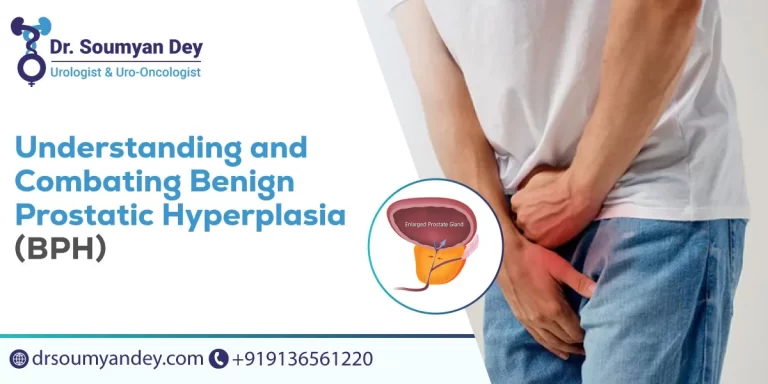
Understanding and Combating Benign Prostatic Hyperplasia (BPH)

With age, the prostate gland that sits right beneath the bladder tends to get bigger. Although it’s not a medical emergency, you may need benign prostatic hyperplasia treatment in Navi Mumbai to live a healthy and normal life. In this post, we’ll take a detailed look at BPH, its symptoms, risk factors, and treatment options. What is Benign Prostatic Hyperplasia (BPH) Your prostate produces semen. It’s located near the urethra. If it gets bigger, it might block your urethra, which might prevent you from urinating. The condition might affect a man’s urinary tract, causing a series of urinary issues, like difficulty peeing, a weak urine stream, frequent urination, and incontinence.  BPH usually develops in men above 55. Although it’s non-cancerous and doesn’t directly increase your risk of developing prostate cancer, the symptoms of prostate cancer can be mistaken for BPH, which is why thorough evaluation is always necessary. What Are the Warning Signs of Enlarged Prostate? The symptoms might get worse over time and can vary from patient to patient.  Here’s what people with enlarged prostate report: The size of the prostate doesn’t affect the severity of the symptoms. People with an extremely enlarged prostate might notice manageable symptoms or no symptoms at all, while those with a slightly enlarged prostate might have major symptoms. Common Risk Factors for BPH Although anyone can develop BPH, here are a few factors that increase your risk: Combating Benign Prostatic Hyperplasia Here’s what may help prevent BPH: Treatment for Benign Prostatic Hyperplasia Your doctor may recommend oral medication to shrink the prostate\’s size. Certain lifestyle changes, like a balanced diet and an active lifestyle, can manage your symptoms. For more severe cases, BPH surgery in Navi Mumbai might be necessary.  Transurethral resection of the prostate (TURP) is one of the commonly performed surgical procedures for an enlarged prostate. The surgery involves guiding a resectoscope through the urethra to remove prostate tissues. Transurethral Incision of the Prostate is another possible treatment, which enlarges the urethra to ensure uninterrupted urine flow. Conclusion Benign prostatic hyperplasia is a common issue in older men. Watchful waiting is usually recommended for patients who do not experience severe symptoms. If it’s affecting your quality of life, you may want to discuss suitable treatment options with your healthcare provider.

Scroll to Top