Dr.Dey

PCNL Procedure

Single-Incision Laparoscopic

Is Single-Incision Laparoscopic Kidney Removal a Safer and Less Painful Procedure?

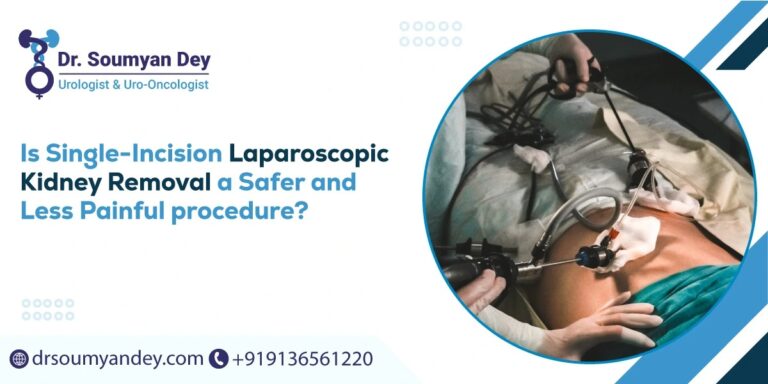
Laparoscopic surgery has evolved. This minimally invasive approach has been chosen by most patients who are advised to undergo a kidney removal surgery in Vashi, Navi Mumbai. The minimal scarring, less post-operative pain, and fewer incisions are some key benefits of the approach.  A recent advancement in the technique is the single-incision laparoscopy for nephrectomy. Instead of making multiple incisions on your abdomen, the surgeon creates only a single small incision around the belly button, making the surgery safer, less painful, and easier on your body. Here’s all you should know about it. When is Single-Incision Laparoscopic Kidney Removal Recommended? Here’s when single-incision laparoscopic kidney removal is needed. Kidney Cancer: Surgery is needed if you are diagnosed with kidney cancer. The exact treatment plan depends on how fast the cancer spreads or the level of damage it has caused. If it’s an initial-stage cancer, the entire kidney might be removed with laparoscopic surgery to reduce the risk of the cancer spreading. Non-functioning Kidney: If one of your kidneys doesn’t function optimally, is infected, or has congenital defects, removing it with nephrectomy surgery can be an ideal decision.  Donor Nephrectomy: People who donate their kidneys can also undergo single-incision nephrectomy to ensure better post-operative outcomes, lesser pain, and no major scars.  What are the Benefits A urologist in Vashi, Navi Mumbai, can remove your kidney through SILS. You might wonder how it is different from open surgery or typical multiple-incision laparoscopic nephrectomy. Here is how it’s a better alternative to other nephrectomy procedures: Minimal Scarring: The biggest advantage of SILS is minimal scarring. The incision length is 2-4 cm and is either in the navel or close to it. If you are concerned about a 10-12 cm long scar from an open surgery or multiple small scars in a laparoscopic procedure, this could be your best option.  Reduced Pain: A single, small scar means less post-operative pain. Your surgeon doesn’t have to make big cuts on the muscles and tissues, which reduces the pain levels significantly. As a result, you don’t have to take stronger pain medications. This also means you can walk, move, laugh, and transition to your pre-surgery life quickly. Quicker Recovery: You can also resume your routine tasks sooner and get back to work faster compared to the longer recovery periods of traditional open surgery. You can expect a discharge in 1-2 days and can perform light activities in a week (if your doctor clears you for it). Full recovery can be expected in 4-6 weeks. Reduced Risk of Complications: In SILS, there’s only one entry point. Fewer incisions mean a lower risk of infection, bleeding, or hernias. Besides, a single incision makes wound care easier for the patient.SILS is a modern, innovative surgical approach for nephrectomy. It’s ideal for people donating their kidneys or needing to detach them due to medical reasons. The success rate of the procedure depends on many factors, such as the surgeon’s expertise and your health, but overall, it’s a highly preferred and smart alternative to traditional nephrectomy procedures.

PCNL Procedure Steps

What are the PCNL Procedure Steps

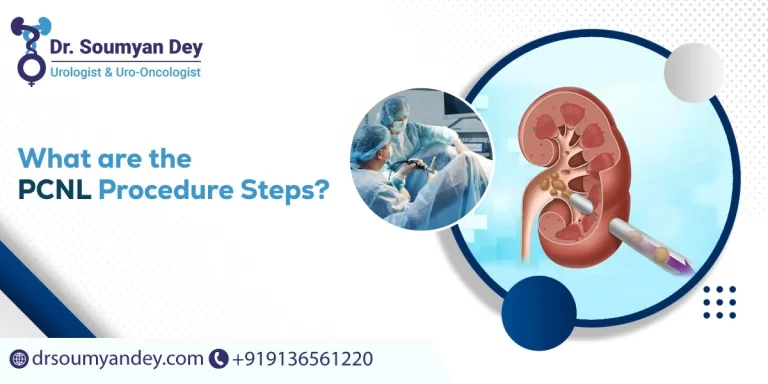
Large kidney stones that do not get expelled from your body through urine or do not respond to conservative treatments might need surgical removal. The procedure to remove these stones surgically is called Percutaneous Nephrolithotomy (PNCL) and is often reserved as a last resort. It may sound complex, but PCNL surgery in Vashi, Navi Mumbai, is a minimally invasive surgical procedure for kidney stone removal. To help you understand how it works, we’ve created a step-by-step guide on PCNL. Here’s a look: PCNL Procedure Steps Before Surgery  The pre-surgical preparations for Percutaneous Nephrolithotomy are similar to those for other surgeries. A urologist may conduct blood tests, urinalysis, and imaging tests before surgery.  You are advised to avoid eating and drinking 6-8 hours before the surgery is scheduled. You may need to stop blood thinners (if you are taking them). Antibiotics may be recommended to prevent infections. During Surgery The procedure typically lasts between two and four hours. Sometimes, the stones are sent to the lab for thorough evaluation. The technicians check the composition of the stone to identify the components it’s made up of. This helps prevent its recurrence. After PCNL, you will be taken to the recovery room, where your vitals will be checked regularly to ensure you are healing well. Recovery and Aftercare The recovery period is different for each patient. However, most people resume their basic activities within a week after PCNL. Walking is recommended after surgery to prevent blood clots, constipation, and other complications. However, you must not lift heavy weights, especially objects that weigh more than 8 pounds. Make sure you attend the follow-up visits, as a urologist in Vashi, Navi Mumbai, will most likely run tests to ensure the stones are completely removed. They may also provide instructions regarding diets, lifestyle changes, medication, and physical therapies for faster healing. When to See Your Doctor Modern surgical approaches and advanced equipment make complications after surgery less likely, but it’s best to watch for these signs and head to your urologist immediately if you notice any. While PCNL may sound intimidating, it’s a safe and effective surgical treatment for kidney stone removal, specifically for stones that cause immense pain. 

Scroll to Top