
Understanding and Combating Benign Prostatic Hyperplasia (BPH)
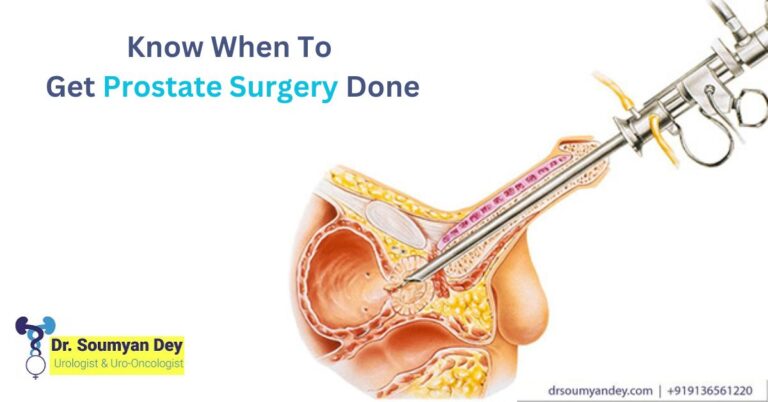
With age, the prostate gland that sits right beneath the bladder tends to get bigger. Although it’s not a medical emergency, you may need benign prostatic hyperplasia treatment in Navi Mumbai to live a healthy and normal life. In this post, we’ll take a detailed look at BPH, its symptoms, risk factors, and treatment options. What is Benign Prostatic Hyperplasia (BPH) Your prostate produces semen. It’s located near the urethra. If it gets bigger, it might block your urethra, which might prevent you from urinating. The condition might affect a man’s urinary tract, causing a series of urinary issues, like difficulty peeing, a weak urine stream, frequent urination, and incontinence. BPH usually develops in men above 55. Although it’s non-cancerous and doesn’t directly increase your risk of developing prostate cancer, the symptoms of prostate cancer can be mistaken for BPH, which is why thorough evaluation is always necessary. What Are the Warning Signs of Enlarged Prostate? The symptoms might get worse over time and can vary from patient to patient. Here’s what people with enlarged prostate report: The size of the prostate doesn’t affect the severity of the symptoms. People with an extremely enlarged prostate might notice manageable symptoms or no symptoms at all, while those with a slightly enlarged prostate might have major symptoms. Common Risk Factors for BPH Although anyone can develop BPH, here are a few factors that increase your risk: Combating Benign Prostatic Hyperplasia Here’s what may help prevent BPH: Treatment for Benign Prostatic Hyperplasia Your doctor may recommend oral medication to shrink the prostate\’s size. Certain lifestyle changes, like a balanced diet and an active lifestyle, can manage your symptoms. For more severe cases, BPH surgery in Navi Mumbai might be necessary. Transurethral resection of the prostate (TURP) is one of the commonly performed surgical procedures for an enlarged prostate. The surgery involves guiding a resectoscope through the urethra to remove prostate tissues. Transurethral Incision of the Prostate is another possible treatment, which enlarges the urethra to ensure uninterrupted urine flow. Conclusion Benign prostatic hyperplasia is a common issue in older men. Watchful waiting is usually recommended for patients who do not experience severe symptoms. If it’s affecting your quality of life, you may want to discuss suitable treatment options with your healthcare provider.