Dr.Dey

October 2022

urinary tract infection symptoms and treatment

Symptoms of Urinary Tract Infection

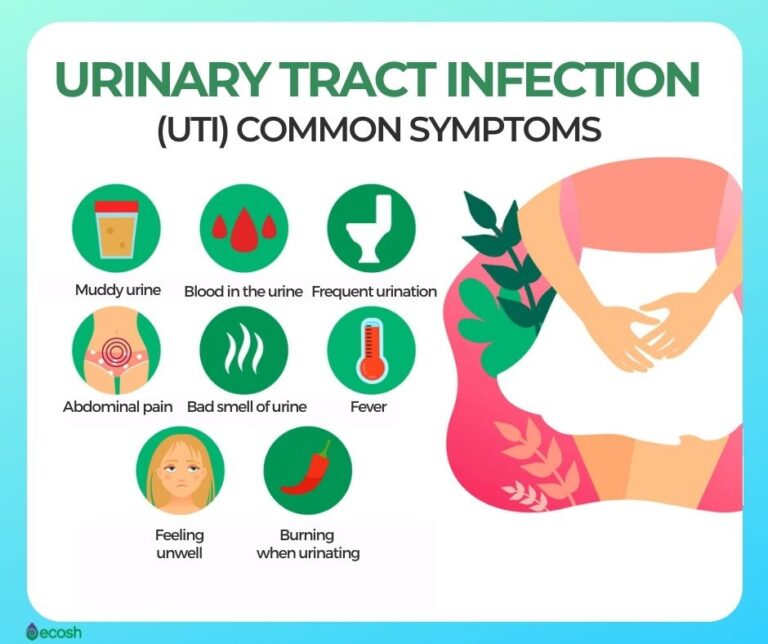
 Urinary tract infections are very common in the world today especially among the age group of young people who are sexually active or in the age group of elderly people majorly in the post-menopausal women or other people who are at risk of kidney diseases like diabetes and people who are on medicines related to kidney disease. All these people have relatively increase in incidence of urinary tract infections (UTI). Urinary tract infection involves infection either in the upper urinary tract including the kidney or the ureter or the lower urinary tract which are more common including the bladder and the urethra. First and the most common sign is the burning in urination. Any person who is having burning while urinating or dysuria should immediately get his/her urine routine and culture done to evaluate the cause of the burning. This is the most common type and varies with people. Some people have mild burning sensation while other have severe pain and finds difficulty in urinating or not able to urinate at all. But all burning is not the cause of UTI so to confirm the person should go for urine routine and culture test. Urine routine should show greater than 5 pussels per high power field. If you have blood clots in urine, How Serious Is It? We have explained in another article. Read that. Second symptom is the increase in number of times of urinating. The person has to go many times in a day including the night till the UTI is treated. Other Urinary tract infection symptoms include: Pain in the abdomen or pelvic area Pressure in the lower pelvis Abnormal urine colour (cloudy urine) and foul smell Other symptoms that may be associated with a urinary tract infection include: Pain during sex Penis pain. Flank (side of the body) pain or lower back pain. Fatigue. Fever (temperature above 100 degrees Fahrenheit) and chills. Vomiting Mental changes or confusion. If you are facing any of the following symptoms then you should go and get your urine routine and culture done to be sure of what exactly is the cause of the symptom that you are facing. You can visit best urologist in Mumbai and consult them !

Natural Remedies for Kidney Stones

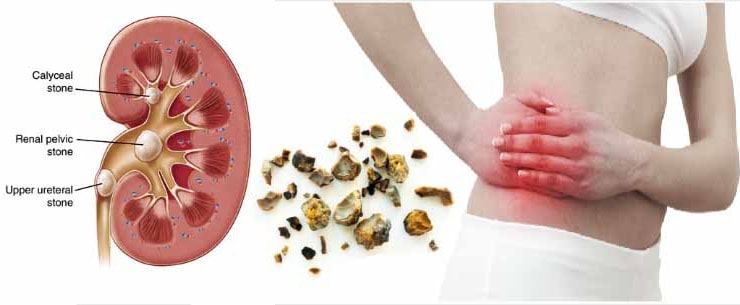
Natural Remedies for Kidney Stones: Here’s What May Help Kidney stones are very painful. If you have one or a bunch of these, you might experience unusual lower back pain. It is extreme, to say the least. The worst part is people who have kidney stones removed either through oral medical, or invasive procedures are likely to get them back after some time. Kidney stones need treatment based on their size and quantity. But a few natural home remedies can help speed up your recovery. Here are some tips that might help.   Stay Hydrated People with kidney stones need to drink enough fluids to stay hydrated throughout the day. Water is associated with a lower risk of kidney stone formation. Certain beverages, like orange juice, tea, and coffee, show the same effects.  You should avoid sodas, cold drinks, and any artificial-sweetened drinks. They release uric acid and calcium oxalate, and both increase the risk of crystal formation in your kidneys. You should drink up to 3.6 liters of water daily to produce clear urine. Tip: While some fluids are healthy for your kidney health, others might increase the risk of kidney stones. So, check with a urologist before drinking.   Limit Foods Rich in Oxalates Our bodies produce a considerable amount of oxalic acid. It’s also found in large amounts in green leafy vegetables, cocoa, and certain fruits. Although oxalates aren’t harmful, they can be problematic for people with kidney stones.  Excess amounts of oxalate can bind different minerals, forming small crystals, which eventually become kidney stones. Limit the intake of foods containing high levels of oxalic acid, but ask your doctor first. That’s because oxalate-rich foods are important for your overall health, and its deficiency in your body can cause other problems.  Avoid Salt A diet rich in salt also increases your risk of kidney stones. As you increase your sodium intake, the calcium might excrete through urine. This can form kidney stones. Your urologist will recommend an ideal amount of sodium intake for a day, but ideally, you should limit it to 2,300 mg. Unfortunately, most people eat more salt than the recommended levels. To keep your sodium levels in check, avoid packaged and processed foods. Eat Magnesium-Rich Foods Although more research is needed, it is believed that magnesium reduces the risk of crystal formation or calcium excretion through urine. Experts recommend 420 mg of magnesium in your diet a day. If your diet doesn’t provide a sufficient amount of magnesium, try tofu, avocados, and legumes. They are excellent sources of diet-based magnesium. Kidney stones consist of solid waste materials that accumulate in your kidneys and turn into solid crystals. These crystals can block the urine flow, causing your kidneys to swell and cause pain. You need to see a urologist in Mumbai immediately if you notice a sharp pain in the lower back and abdomen, blood in the urine, cloudy urine, and other symptoms. Blood tests and urine tests will help your urologist detect kidney stones. For a more clear diagnosis, they might order an ultrasound or CT scan.

Cancer types & treatments

Types & Causes of Cancer

Types and Causes of Cancer Cancer is a disease in which some of the body’s cells grow or spread uncontrollably to the other parts of body. Cancer can start almost anywhere in the human body. Normally, human cells grow and multiply to form new cells as the body needs them. When cells grow old or become damaged they die, and new cells take their place. Sometimes this order breaks down causing abnormality of cells division causing damaged cells to grow when they should die and make new. These cells may form tumours, which are lumps of tissues. Types of tumoursTumours can be cancerous or non cancerous as well.Cancerous tumours spread into nearby tissues and can travel to distant places in the body to form new tumours. Many cancers form solid tumours but cancers of the blood, such as leukaemia, generally do not.As we understand that cancer occurs when the normal cells in our body grow in uncontrolled way. This abnormal growth of cells can become cancer and if the cancerous cells took the major part of the organ then the organ can no longer work. Causes of Cancer The exact cause of cancers are unknown and there is not a single cause for any type of cancer. But there are some factors that helps in developing cancers.Tobacco use is the cause of 22% of cancer deaths. Another 10% are due to obesity, poor diet, lack of physical activity or excessive drinking of alcohol. Other factors include certain infections, exposure to environmental pollutants that are harmful for our bodies.15% of cancers are due to infections such as Hepatitis-B, Hepatitis-C and HIV. Approximately 5-10% of cancer are due to inherited genetic defects. Cancers can be detected by certain signs and symptoms. Best available Cancer Treatment in Mumbai There are majorly two ways to cure cancer.1. Surgery2. Chemotherapy What is Surgery? The goal of the surgery is to remove the cancer as much of the cancer as possible. What is Chemotherapy? Chemotherapy is a drug treatment for cancer patients. In this drug treatment powerful chemicals are used to kill fast-growing cells in body. Since cancer cells grow and multiply ver rapidly than any other cells in the body. Most types of cancers are treated using different chemotherapy drugs. These drugs are either used alone or in combination with other chemotherapy drugs. As we know that chemotherapy is an effective and the most used way to treat cancer, we should also know that it carries a risk of side effects. Because everything comes with a cost of something. Benefits of Chemotherapy *Chemotherapy helps in shrinking/reducing the cancer or in simple terms it helps to slow down the rate of growth of cancer.*Chemotherapy also prevents cancer to spread any further.*It helps in reducing pain in the area and other problems caused by the tumour.*It cures cancer completely in most cases.RISKSAs we are aware that drugs have some side effects. And different drugs causes different side effects. Same is the case with the chemotherapy drugs. Most of the side effects are short terms though. They will begin to o once the treatment is completed. Some general side effects of chemotherapy are listed down below.• Tiredness and weakness• Reduced platelets• Risk of getting infection due to pure immunity• Loss of Appetite Procedure of Chemotherapy As we know that chemotherapy is a serious treatment for a serious disease, it’s important to know everything about it before going through it. Patient undergoes a series of tests to help determine whether you are healthy enough for the chemotherapy. These tests include heart examination and various blood tests to determine the health of your body. These tests also helps the doctor to decide which kind of chemotherapy to be used in your treatment. Doctor may also recommend you to visit your dentist before beginning the treatment as the chemotherapy affects your body’s ability to heal. If there is any kind of infection in your gums or teeth ,it could possibly spread throughout your body causing numbers of complications. Chemotherapy is mostly given in the form of pills but in some cases it is also given directly into your veins by injection or an IV. Let’s discuss further about the ways of chemotherapy in detail.ORAL CHEMOTHERAPY MEDICATION In this procedure pills are given directly to be swallowed by patient. They come in variety of oral forms such as pills ,tablets ,capsules ,liquid all of which can be absorbed by the stomach or under the tongue.INTRA MUSCULAR CHEMOTHERAPY INJECTIONS In this type of chemotherapy IM injections are given into the muscles. In this absorption of medication is more rapid than the oral form but slower than sub lingual. Most chemotherapy are not given in this form because of the harshness of the chemicals used.INTRAVENOUS CHEMOTHERAPY Intravenous chemotherapy allows for rapid entry into the body’s circulation ,where it is carried throughout the body in the blood stream. This is the most common method of chemotherapy, since most chemo drugs are easily absorbed through the blood stream.Chemotherapy DrugsChemotherapy drugs are categorised based on their mode of action. There are a few main categories that we should be aware of. Like for breast cancer, lung cancer ,sarcoma we use Alkylating agents. And to treat leukaemia , pancreatic cancer ,ovarian cancer , Lung cancer and gastrointestinal cancer we use Plant alkaloids. And to prevent side effects or allergic reaction from chemotherapy we use Corticosteroids.Duration of Chemotherapy Chemotherapy often involves several sessions of treatment. It shows the amount of time that comes between the start of one round of chemotherapy to the start of next.Chemotherapy usually lasts for around 3-6 months in general. However it also depends on the type of cancer. It can be shorter or longer accordingly.How much it costs?Chemotherapy costs in India differ from place to place and doctor to doctor.The minimum price comes somewhere around INR 3000 and it goes up to INR 50,000.However the cost depends on several other factors as well such as age of the patient, medical condition of patient,

Kidney Cancer Stages

Survival Rates for Kidney Cancer

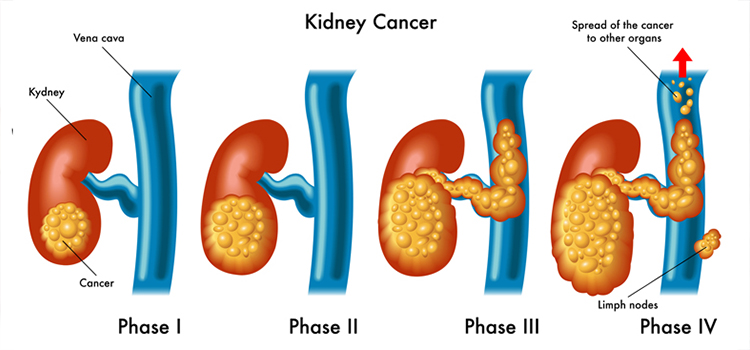
Survival Rates of Kidney Cancer Almost every patient who is diagnosed with the cancer wants to know about his survival rate. So, the patients generally ask the doctor about their survival rate. They can’t tell you exactly how long you will live, but they may help give you a better understanding of how likely it is that your treatment will be successful. A relative survival rate compares people with the same type and stage of kidney cancer to people in the overall population. For example, if the 5-year relative survival rate for a specific stage of kidney cancer is 80%, it means that people who have that cancer are, on average, about 80% as likely as people who don’t have that cancer to live for at least 5 years after being diagnosed. Localized: There is no sign that the cancer has spread outside of the kidney. As long as the tumour is within the kidney the five years survival rate of the patients rise to somewhere between 80-90%. And in the same case if the size of the tumour is around 4-7 cm it will rise up to 90-100%.   But if the size is more than 10 cm the survival rate decreases to 70%. so as long as the tumour is inside the kidney the survival rate may lie between 70-90%. Regional: The cancer has spread outside the kidney to nearby structures or lymph nodes. Now, if the tumour is spread to other parts of body the 5-year survival is only 10% i.e., only 10 out of 100 patients will survive for 5 years. If the tumour has spread to the lymph node, then the survival rate rises to 20%. Distant: Includes cancers that have spread to distant parts of the body such as the lungs, brain, or bones. And the survival rate is somewhere around 20-30%.  Now a days with the advancement of technology if the thrombosis is below the level of diaphragm, then 50% of patient will survive more or up to 5 years. So, kidney tumours that are less than 4 cm they can be removed and the survival rate will be approximately 100%. With size decreases the survival rate and if the tumour has spread outside the kidney the survival rate decreases.  People now being diagnosed with kidney cancer may have a better outlook than these numbers show. These numbers apply only to the stage of the cancer when it is first diagnosed. They do not apply later on if the cancer grows, spreads, or comes back after treatment. These numbers don’t take everything into account. Keep in mind that survival rates are estimates and are often based on previous outcomes of large numbers of people who had a specific cancer, but they can’t predict what will happen in any particular person’s case. These statistics can be confusing and may lead you to have more questions. Your doctor is familiar with your situation, so ask how these numbers may apply to you. Dr Soumyan Dey is a Best Uro Oncologist who is best kidney cancer surgeon in Mumbai follows a evidence based approach to identify the best course of Kidney Cancer treatment. 

Scroll to Top